Natalie Perkof / Blíženci
White & Weiss Gallery, Bratislava, Slovakia
25. 1. – 10. 3. 2023
Curated by Martina Mrázová
Photo Adam Šakový


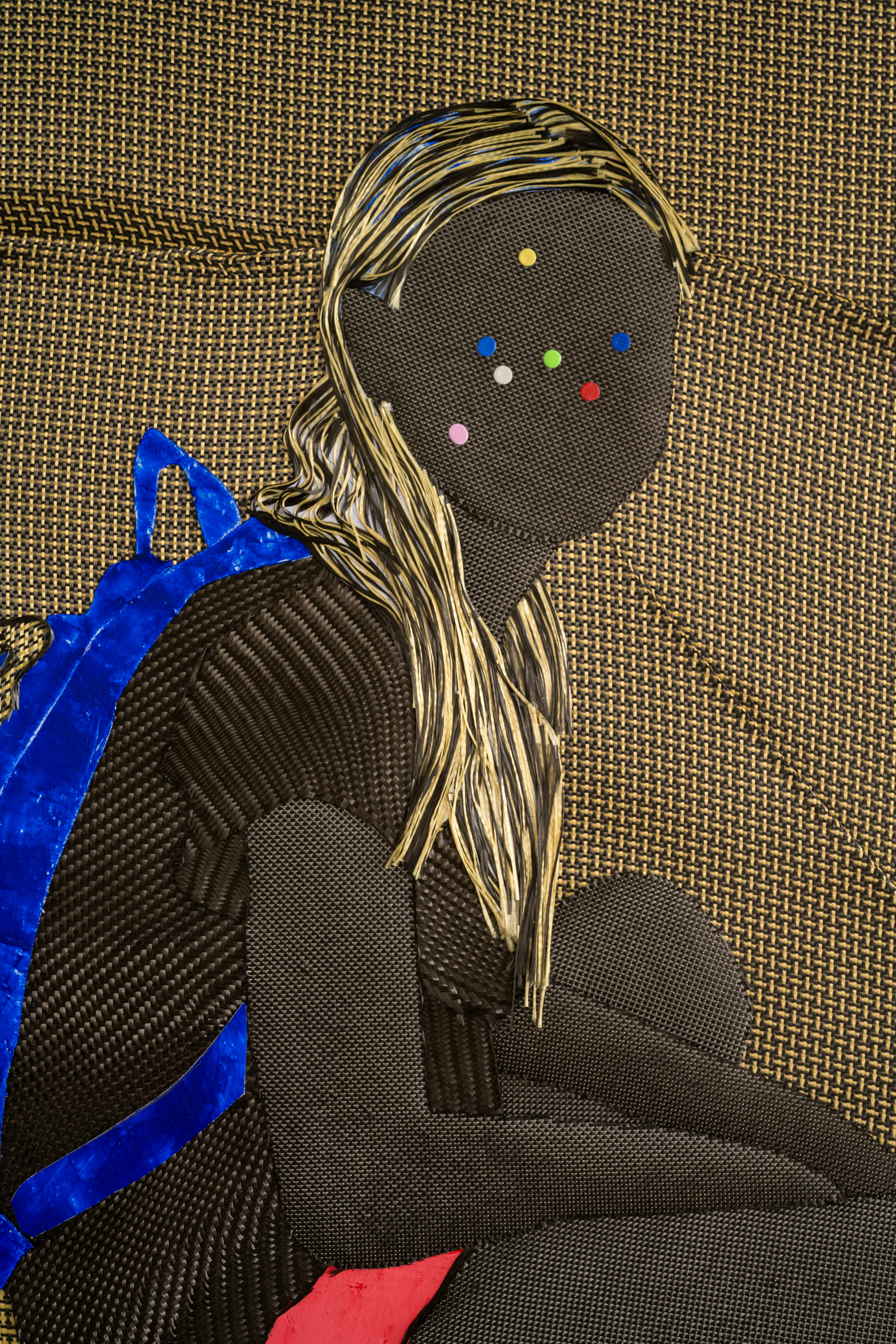
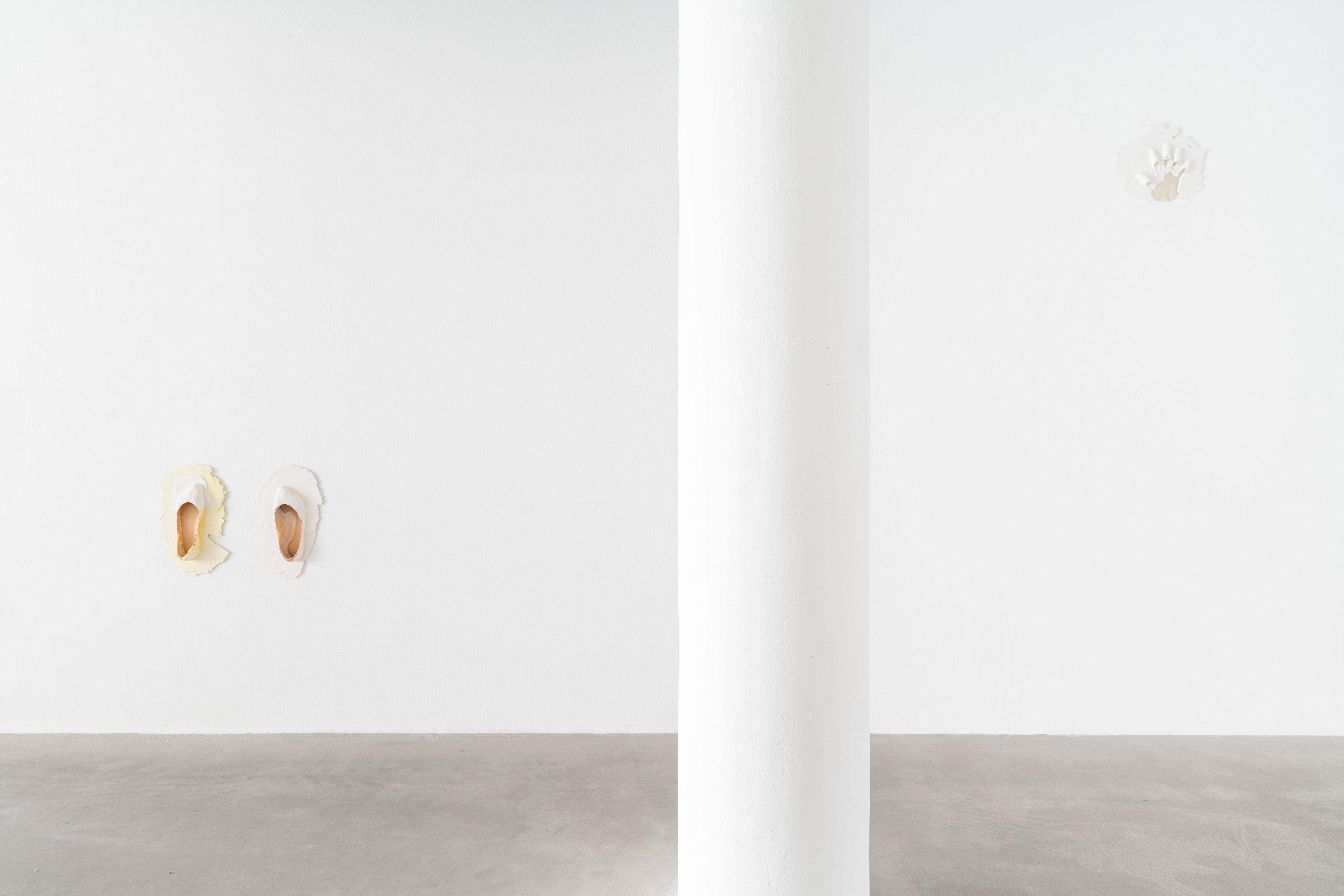
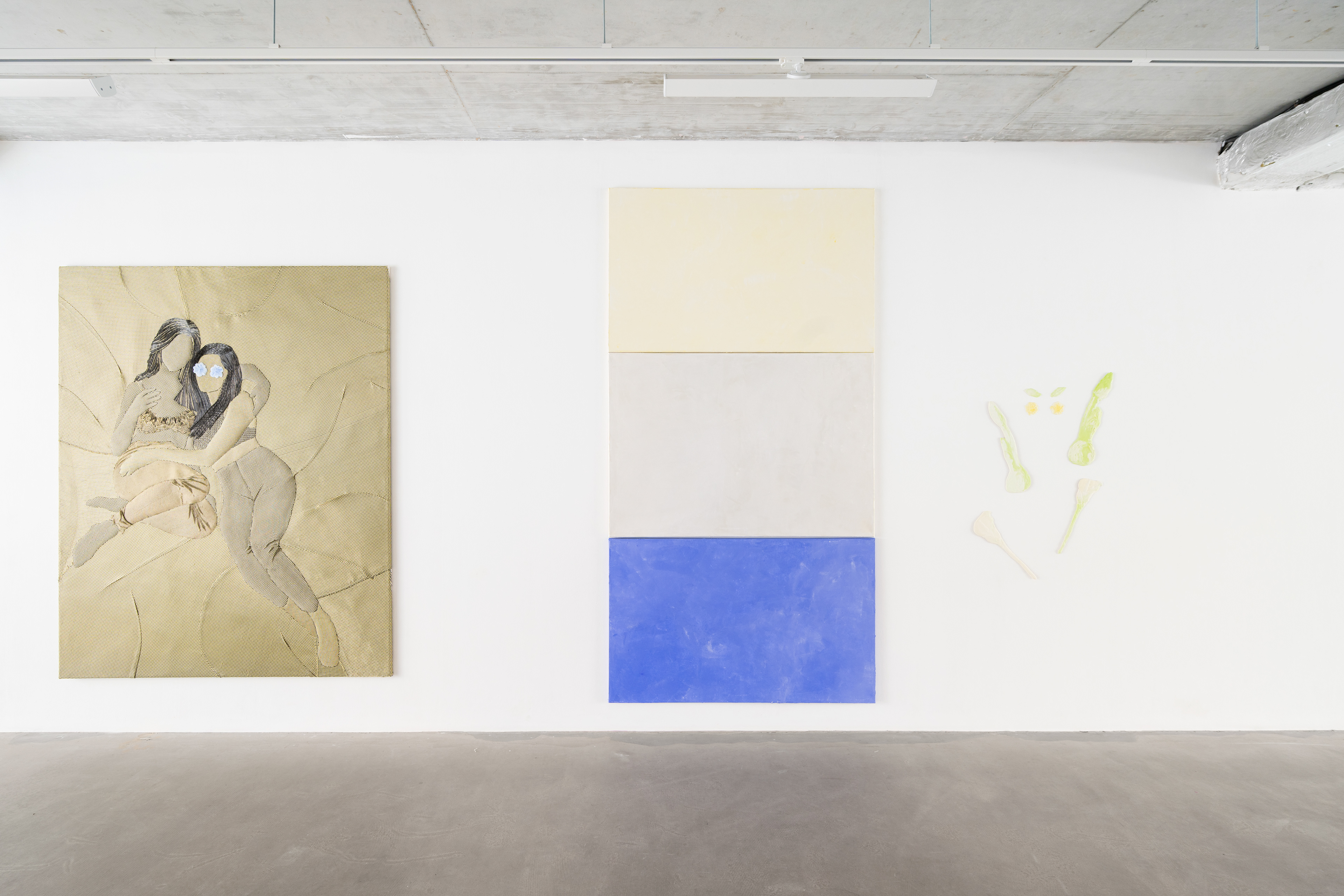
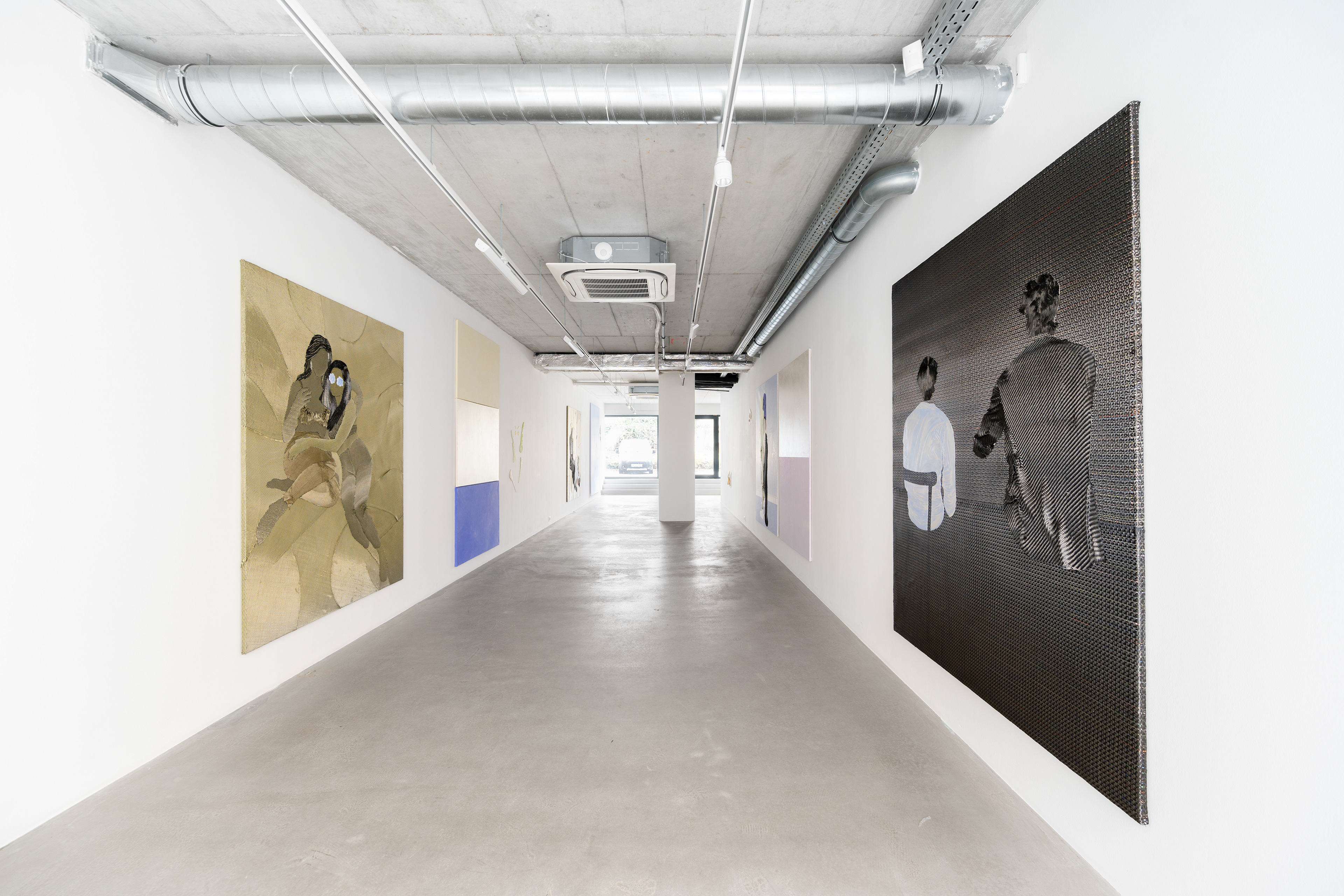
Natalie Perkof je umělkyně s česko-ghanskými kořeny, která se ve své tvorbě dotýká především otázek ženskosti, dominance, sexuality, spirituality a vztahu člověka a přírody. V jejích malbách se formuje silná výpověď založená na holistickém pojetí světa v širokém spektru duálních projevů (např. světa materiálního a spirituálního, ženského a mužského, dětského a dospělého nebo živé a neživé přírody). Tato témata Natalie Perkof zpracovává v rámci malířského cyklu nazvaného Manuál přirozenosti, na němž pracuje již několik let a v němž jako v jakémsi deníku zaznamenává jednotlivé fáze hledání nových podob přirozenosti a spirituality dnešního člověka. Jako součást této série vznikla také výstava ve White & Weiss Gallery, v níž se autorka obrací k tématu identity člověka, k lidské duši s jejími vědomými i nevědomými vrstvami.
Název výstavy Blíženci odkazuje ke konceptu božských dvojčat, známému především z řecké a římské mytologie. Obdoby tohoto mýtu však nacházíme také v germánských, indoevropských nebo babylonských kulturách. Zdá se tedy, že jde o jeden z archetypálních příběhů, který se v různých podobách objevuje napříč kulturami a staletími. Nejznámější řecká verze příběhu vypráví o dvojčatech Castorovi a Polluxovi, zrozených z jedné matky, Lédy, kterou zároveň oplodnili dva muži, její manžel-smrtelník a nejvyšší z bohů. Pouze jeden z bratrů zdědil po svém otci nesmrtelnost, Zeus však nakonec oba bratry spojil na nebesích, aby mohli svou nesmrtelnost sdílet a stát se opět jedním.
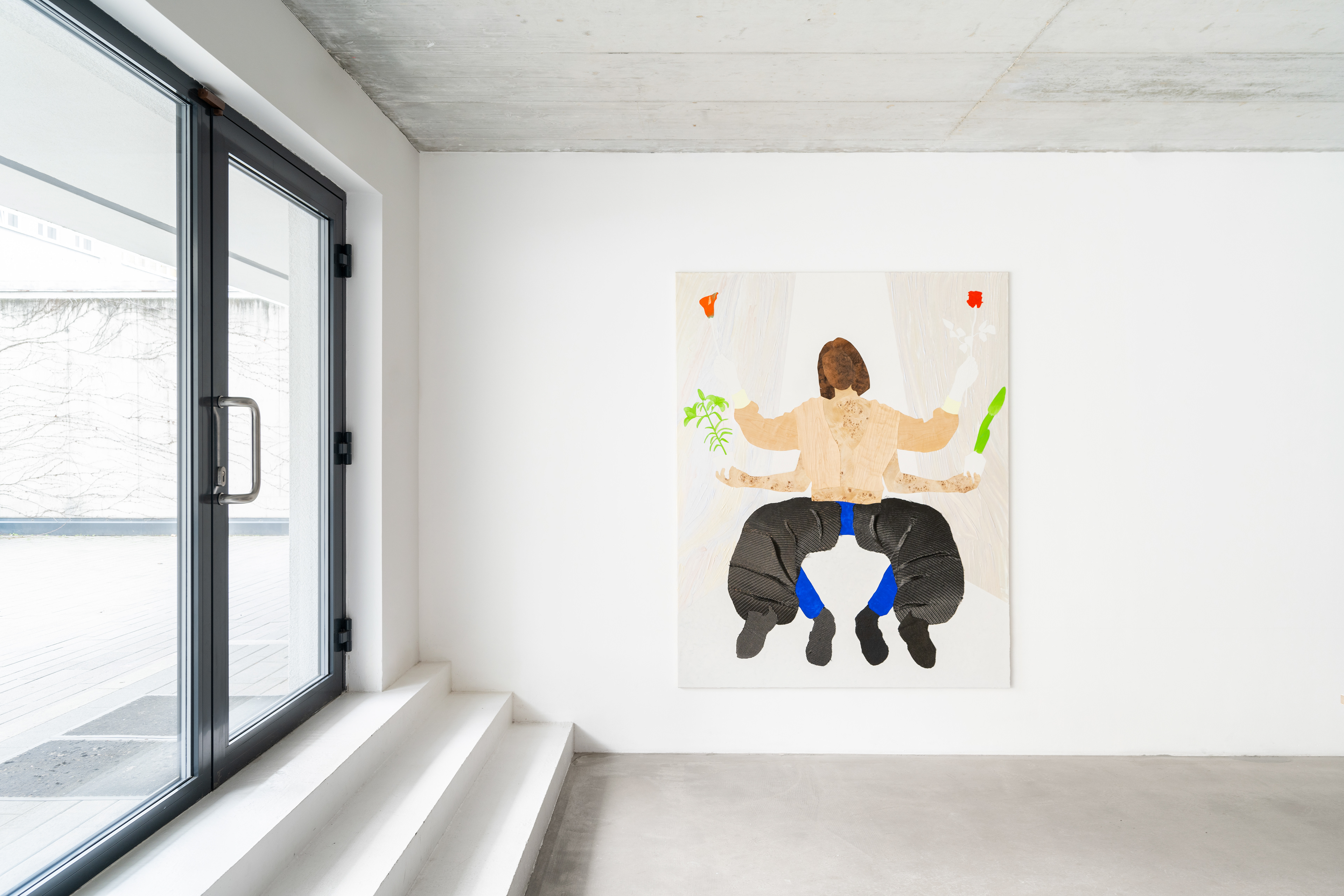
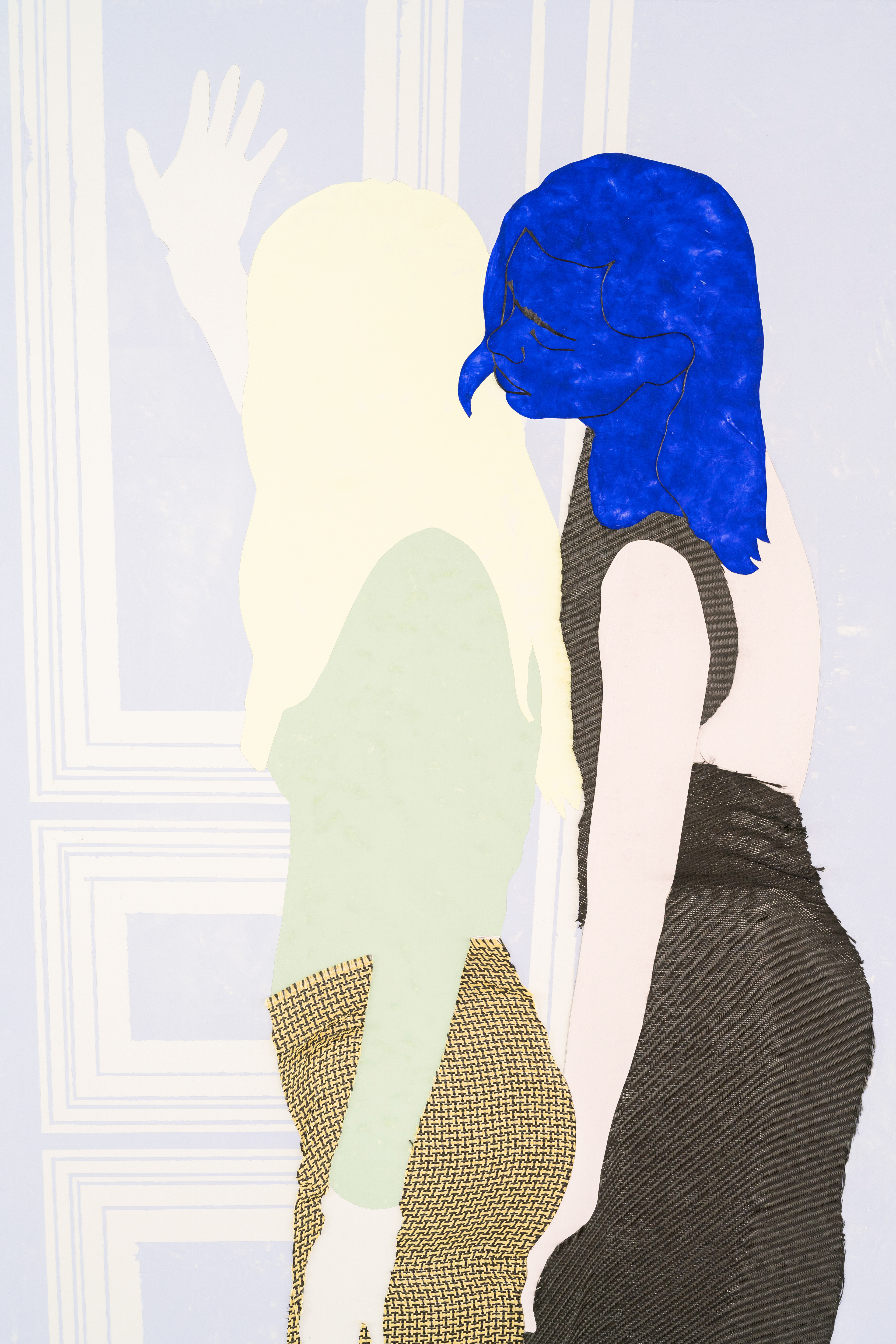
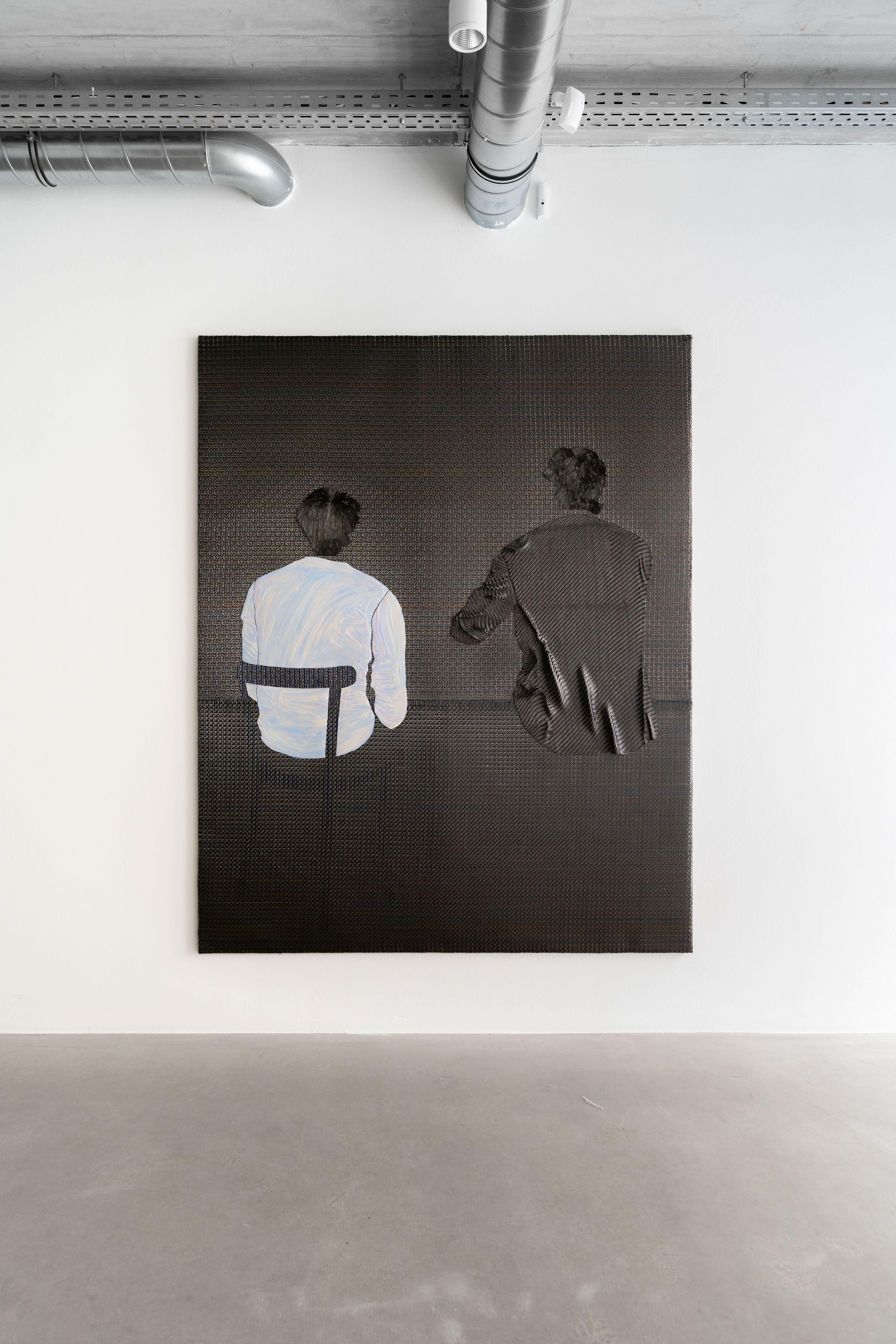
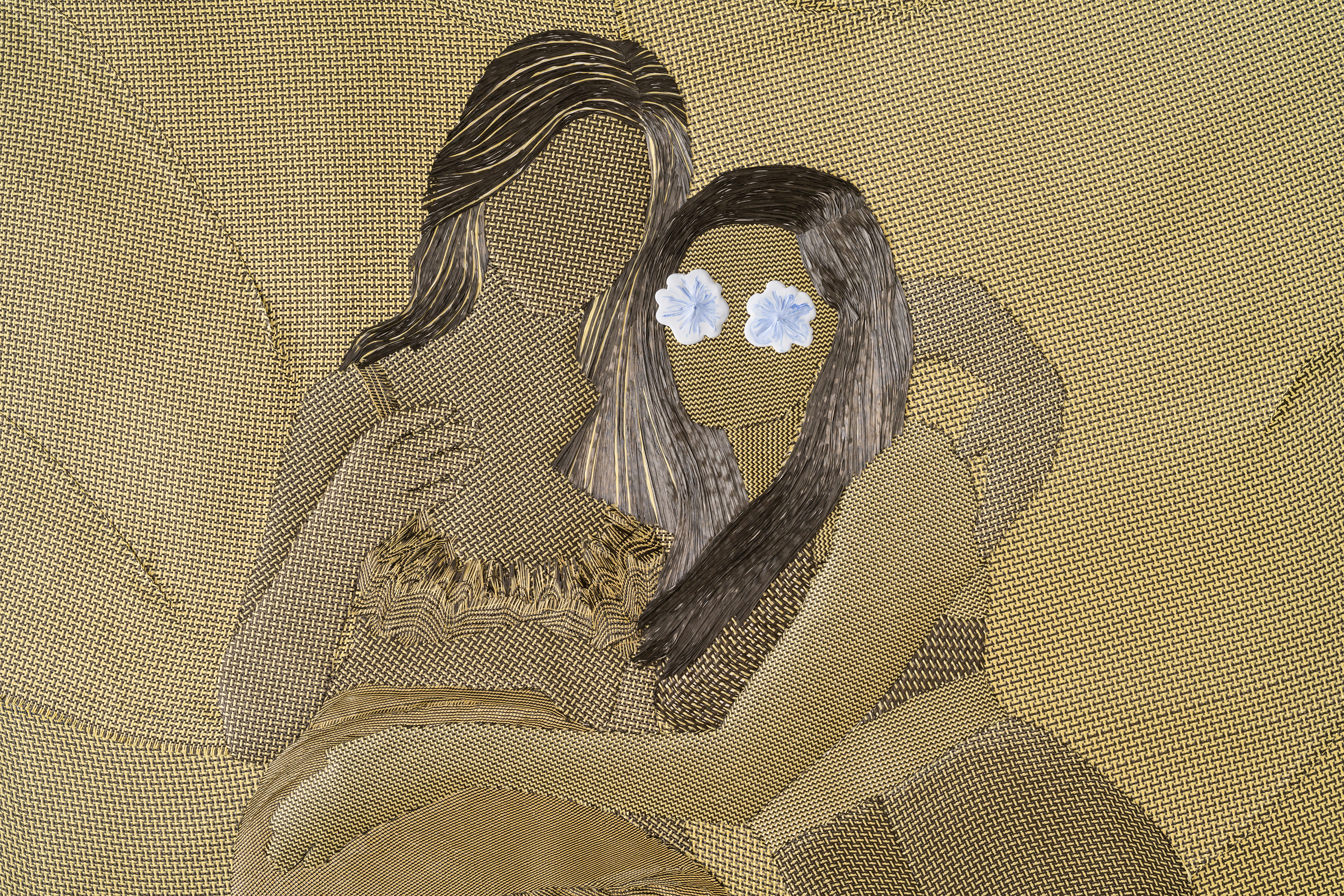
Příběh božských dvojčat si Natalie Perkof spojuje s myšlenkou opětovného dosažení celistvosti a rovnováhy, v níž spatřuje individuální zdroj vnitřní síly. Cesta k uvědomění si vlastních pozitivních i negativních aspektů osobnosti a jejich akceptování si žádá hlubokou introspekci, již mimo jiné provází také osvobození od naučených vzorců myšlení a jednání, zakořeněných v současné patriarchální společnosti, která je prostřednictvím rodinných a institucionálních struktur předává dalším a dalším generacím. Symbolické obsahy mají přitom v malbách Natalie Perkof velmi poetické vyznění. Figury v redukovaných formách uprostřed velkorysých monochromních ploch pastelových či perleťových barev nebo karbonových vláken působí, jako by levitovaly v nějakém neurčitém časoprostoru. Dvojice postav (zpravidla jde o postavy ženské) zde zosobňují individuum a jeho, resp. její alter-ego, případně vnitřní konflikty, s nimiž se člověk na cestě za sebepoznáním musí vyrovnávat. Jako oživlý stín působí žena s modrou tváří i vlasy, která zezadu nepříjemně naléhá na druhou, násilně jí vráží ruku mezi nohy a přitom jí jako jakýsi vnitřní kritik šeptá zpochybňující či ponižující slova. O znovunalezení vnitřní síly a smíření s negativními stránkami osobnosti vypovídá také obraz z černého karbonu, autorčina oblíbeného materiálu, v němž se dvojice mužů od diváka i malířky nekompromisně odvrací. Na jiném obraze se sedící žena poklidně probírá jakýmisi barevnými vzorci, extrahovanými z hlavy dívky, jež klesá pod tíhou batohu, jako by to byl soubor získaných norem a pravidel, který je možné odložit. Žena se zde probírá svými vnitřními vrstvami, všemi hodnotami, stereotypy a naučenými normami a snaží se mezi nimi najít způsob, jak se stát sama sebou. Proces, jímž žena prochází, popisuje hlubinná či analytická psychologie jako proces individuace, jenž zjednodušeně řečeno spočívá ve smíření všech složek osobnosti, v integraci nevědomých archetypů s vědomou částí osobnosti, tedy v syntéze bytostného Já. Jednu z možných podob sebevědomého spojení mnoha ambivalentních aspektů osobnosti představuje obraz Madona-Kálí, v němž Natalie Perkof propojila nevinnost a čistotu křesťanské Matky s hinduistickou bohyní, která se pro svou divokou sílu a nespoutanost stala jednou z ikon feministického hnutí. Místo nástrojů destrukce a smrti, jež jsou pro Kálí typické, však novodobá bohyně ve svých zdvojených pažích svírá květiny, které mají zjevné sexuální konotace. Krása a nevinnost Madony cudně sklánějící hlavu se zde spojuje s vášní, touhou a smyslností černé bohyně Kálí, která se nenechá svazovat žádnými normami ani konvencemi. Nemá nic společného s převládajícím ideálem ženy jako dokonalé, poslušné a podřízené bytosti, nepotřebuje se omlouvat za to, co cítí, včetně své sexuality. Naopak ji hrdě ukazuje jako nedílnou součást své vnitřní síly a hodnoty, v níž se touha a smyslnost přirozeně spojují s duchovností. Akceptování a smíření často protichůdných složek vlastní osobnosti tedy vede ke zrození sebevědomé a svobodné, emancipované bytosti, která čerpá svou sílu sama v sobě.
Martina Mrázová
Natalie Perkof is an artist of Czech and Ghanaian heritage whose work explores questions of femininity, dominance, sexuality, spirituality, and the relationship between human beings and nature. Her paintings articulate a holistic vision of the world through a wide range of dualities: the material and the spiritual, the feminine and the masculine, childhood and adulthood, and the animate and the inanimate. Perkof develops these themes in her ongoing painting series Manual of Nature, on which she has been working for several years. Like a diary, the series records successive stages in her search for new understandings of human nature and spirituality in the contemporary world. The exhibition at White & Weiss Gallery forms part of this series, focusing on questions of human identity and the conscious and unconscious dimensions of the psyche.
The exhibition's title, Gemini, refers to the concept of divine twins, best known from Greek and Roman mythology. Variations on this motif can also be found in Germanic, Indo-European, and Babylonian traditions. It thus appears to belong to a broader family of archetypal narratives that recur in different forms across cultures and centuries. In one of the best-known Greek versions, the twins Castor and Pollux share the same mother, Leda, but have different fathers: her mortal husband, Tyndareus, and Zeus, the king of the gods. Only Pollux inherits immortality, yet the brothers' bond ultimately allows them to share it, with Zeus granting them a place among the stars.
Perkof associates the story of the divine twins with the possibility of recovering wholeness and equilibrium, which she sees as a source of inner strength. Becoming aware of and accepting both the positive and negative aspects of one's personality requires profound introspection. This process also involves freeing oneself from learned patterns of thought and behaviour rooted in patriarchal social structures and passed down through generations by families and institutions.
The symbolic content of Perkof's paintings nevertheless finds a distinctly poetic expression. Simplified figures set against expansive monochromatic fields of pastel or pearlescent colour, or against surfaces of carbon fibre, seem to levitate in an indeterminate space-time. Pairs of figures, usually female, represent an individual and their alter ego, or embody the inner conflicts that must be confronted on the path towards self-knowledge.
In one painting, a woman with a blue face and blue hair resembles a shadow brought to life. Pressing insistently against another woman from behind, she forcibly thrusts a hand between her legs while whispering words of doubt or humiliation, like an inner critic. The recovery of inner strength and reconciliation with the negative aspects of one's personality are also explored in a painting made with black carbon fibre, one of the artist's favoured materials, in which two men turn their backs resolutely on both the viewer and the artist.
In another painting, a seated woman calmly examines a series of coloured patterns extracted from the head of a girl weighed down by a backpack. The patterns seem to represent accumulated norms and rules, a burden that might eventually be laid aside. The woman sifts through the layers of her inner life—her values, stereotypes, and learned conventions—searching for a way to become herself.
In depth psychology, and particularly in the analytical psychology of Carl Gustav Jung, this process can be understood in terms of individuation. Broadly speaking, individuation involves recognising and integrating unconscious aspects of the personality into conscious life, moving towards a more complete relationship with the Self.
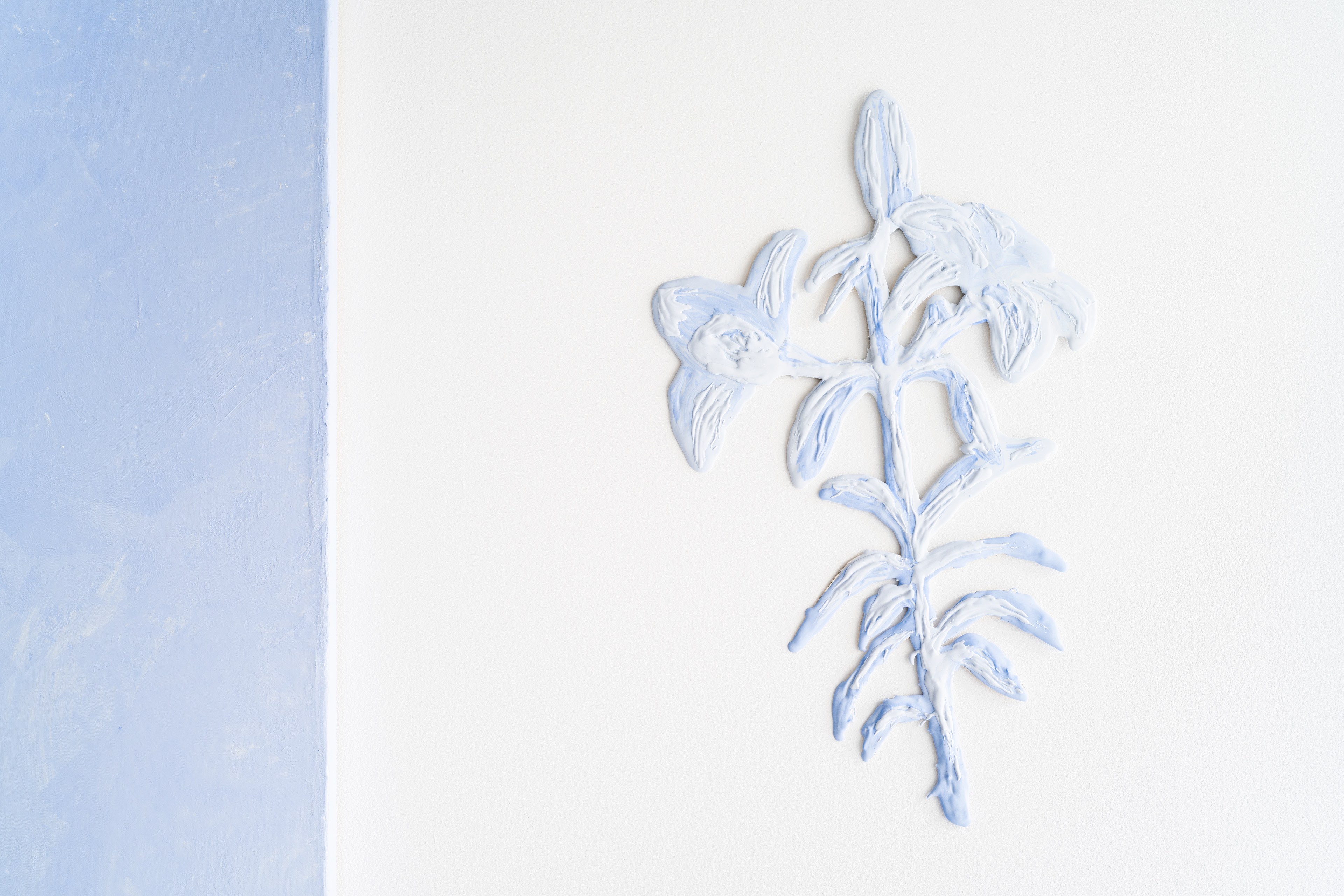
One possible expression of this integration of the many ambivalent aspects of personality appears in Madonna–Kali, a painting in which Perkof brings together the innocence and purity associated with the Christian Madonna and the Hindu goddess Kali, whose fierce power and defiance have also made her a significant figure in feminist interpretations of mythology. Rather than holding the instruments of destruction and death traditionally associated with Kali, this contemporary goddess holds flowers with unmistakable sexual connotations in her multiple arms.
The beauty and innocence of the Madonna, modestly lowering her head, merge with the passion, desire, and sensuality of the dark goddess Kali, who refuses to be constrained by norms or conventions. She stands in opposition to the prevailing ideal of womanhood as perfect, obedient, and submissive. She has no need to apologise for what she feels, including her sexuality. Instead, she proudly embraces it as an integral part of her inner strength and sense of self-worth, allowing desire and sensuality to coexist naturally with spirituality.
Accepting and reconciling the often contradictory aspects of one's personality thus opens the way towards becoming a confident, free, and emancipated individual who draws strength from within.
Martina Mrázová