Martin Skalický
White & Weiss Gallery, Bratislava, Slovakia
22. 3. – 5. 5. 2023
Curated by Martina Mrázová
Photo Adam Šakový
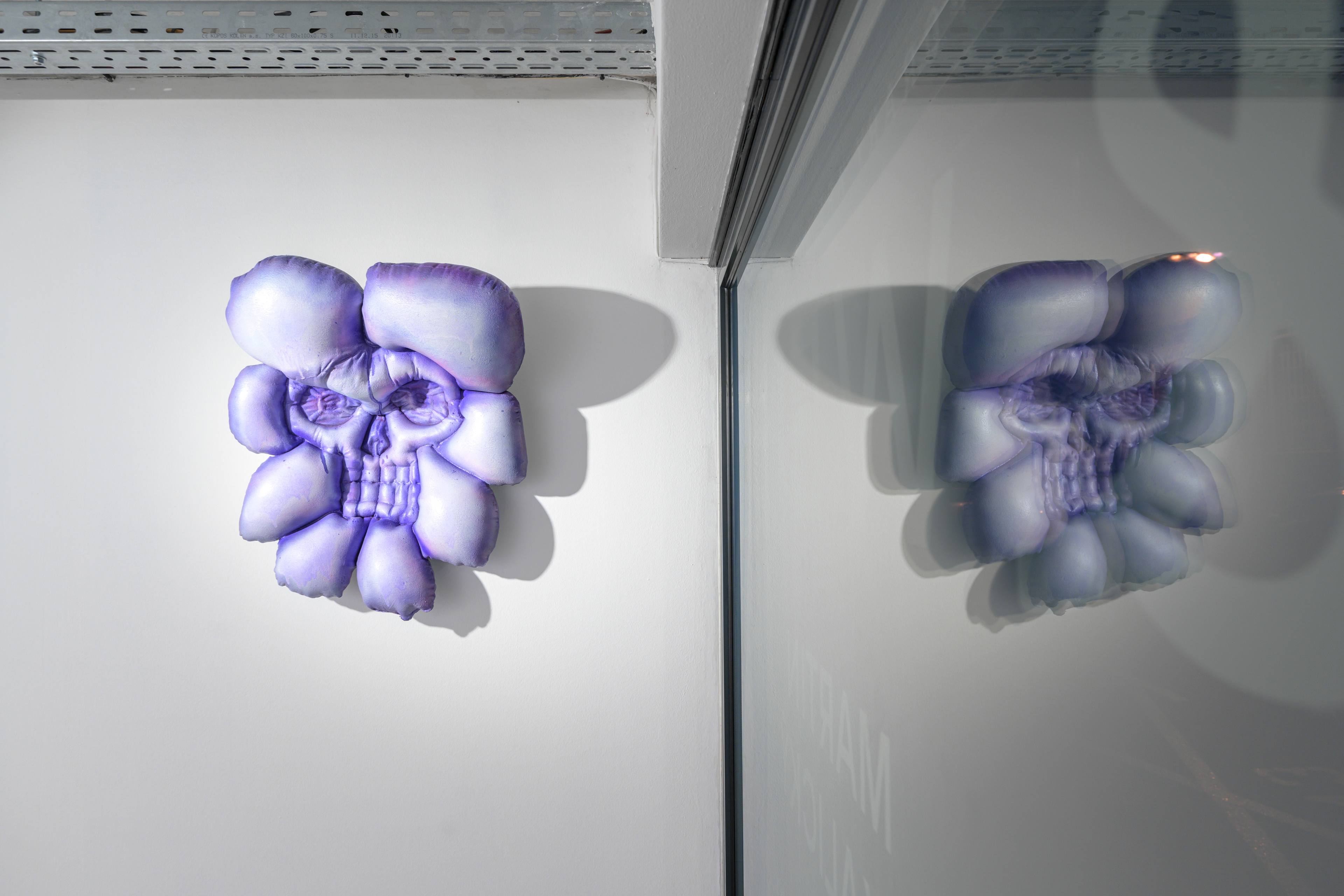
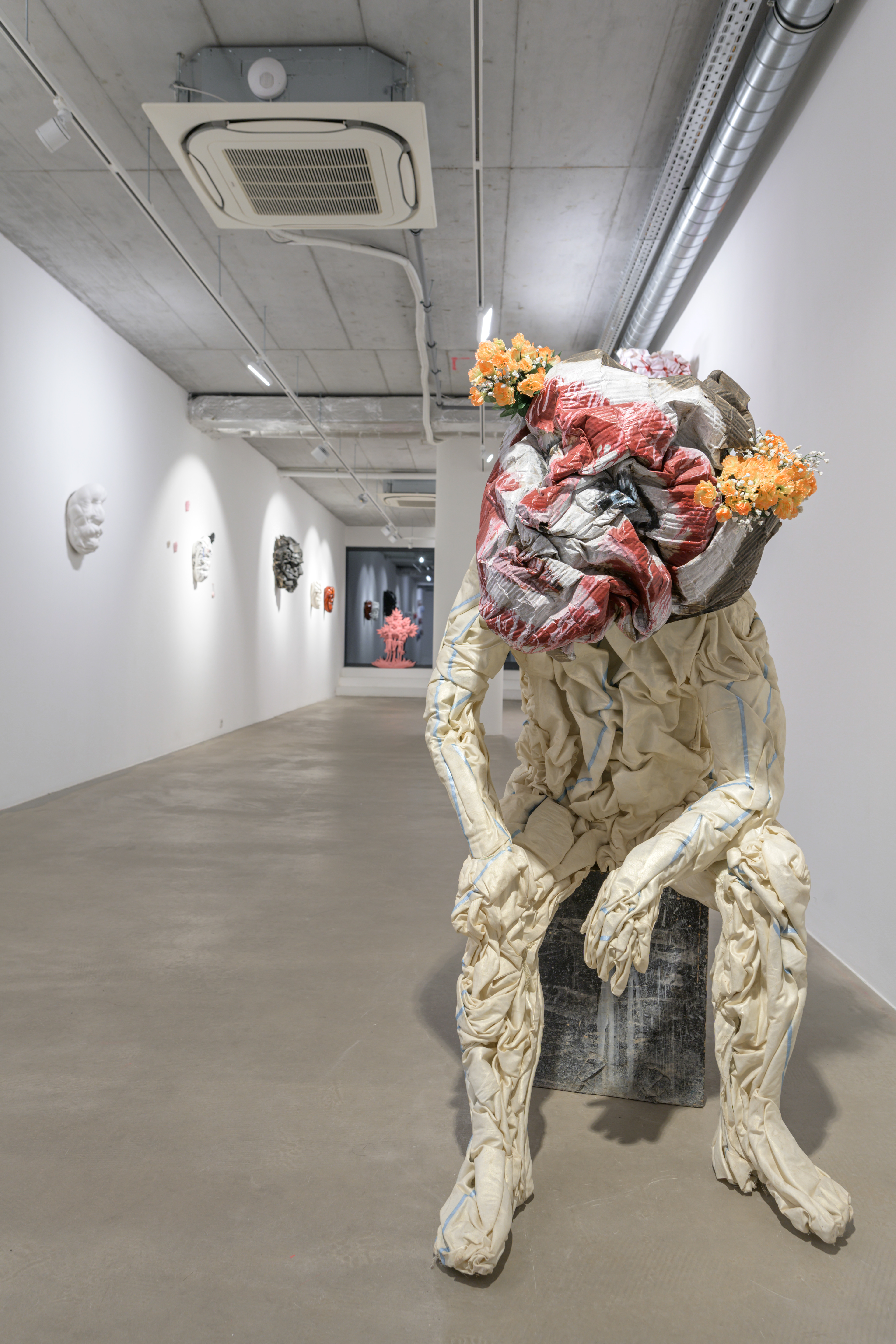
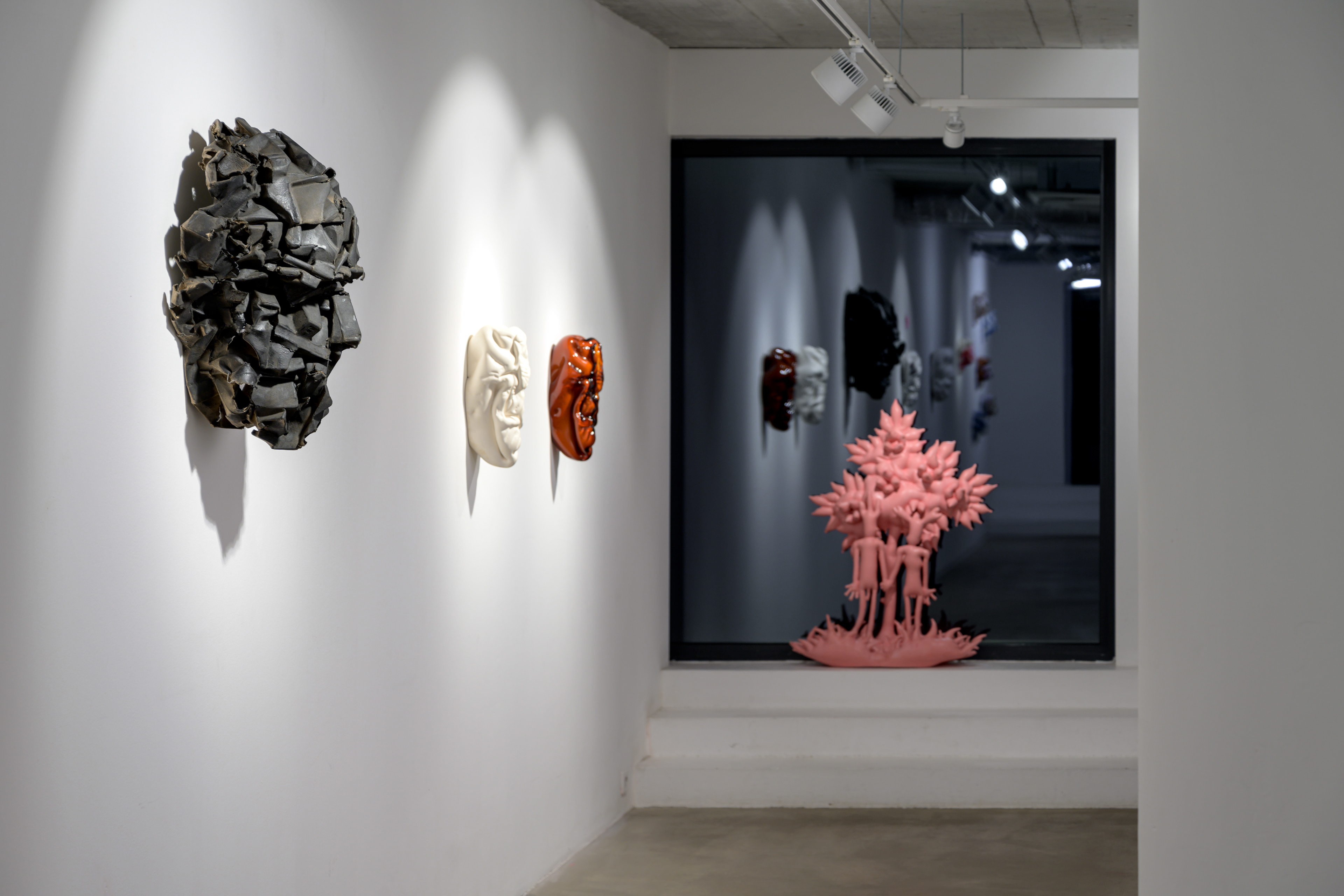
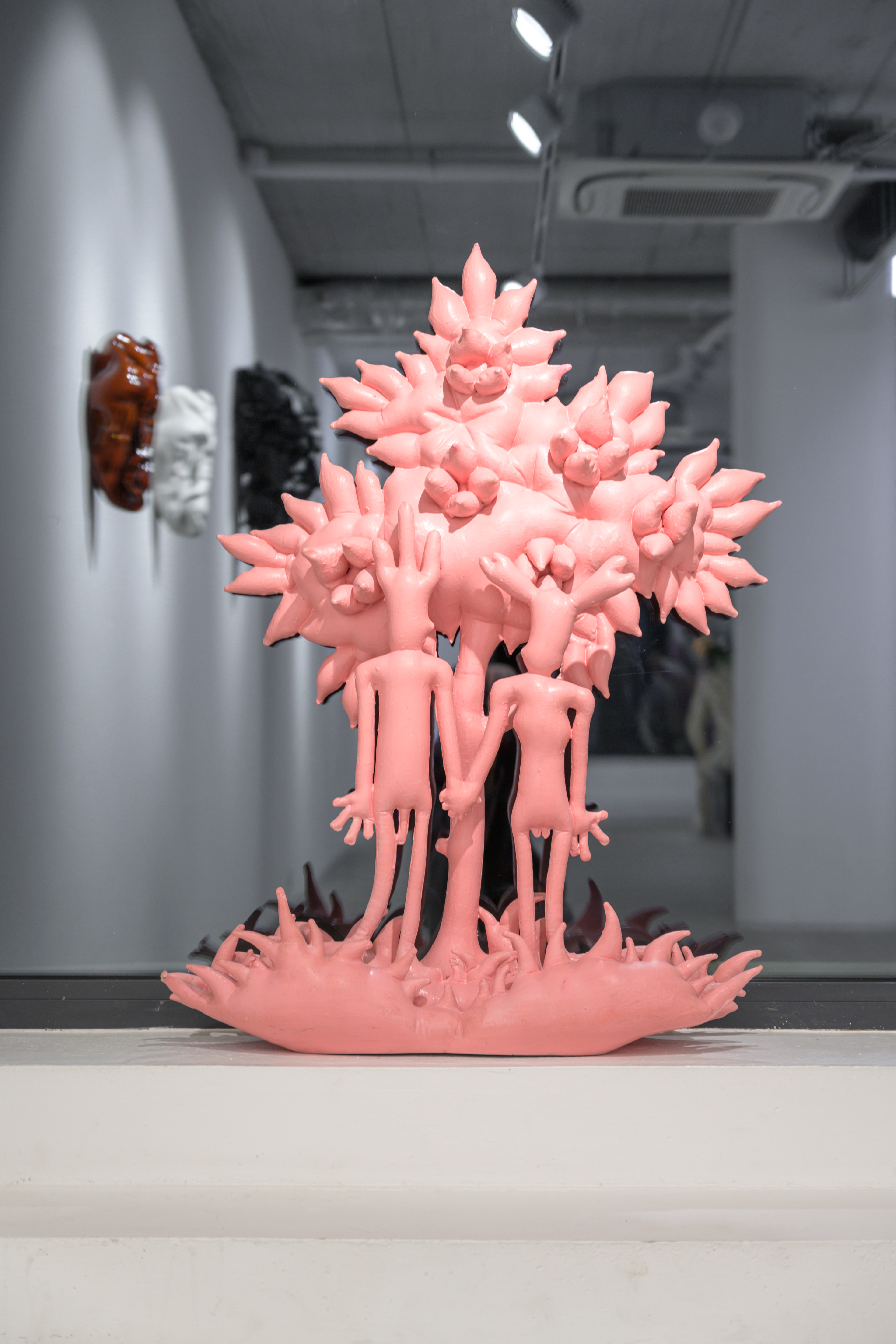
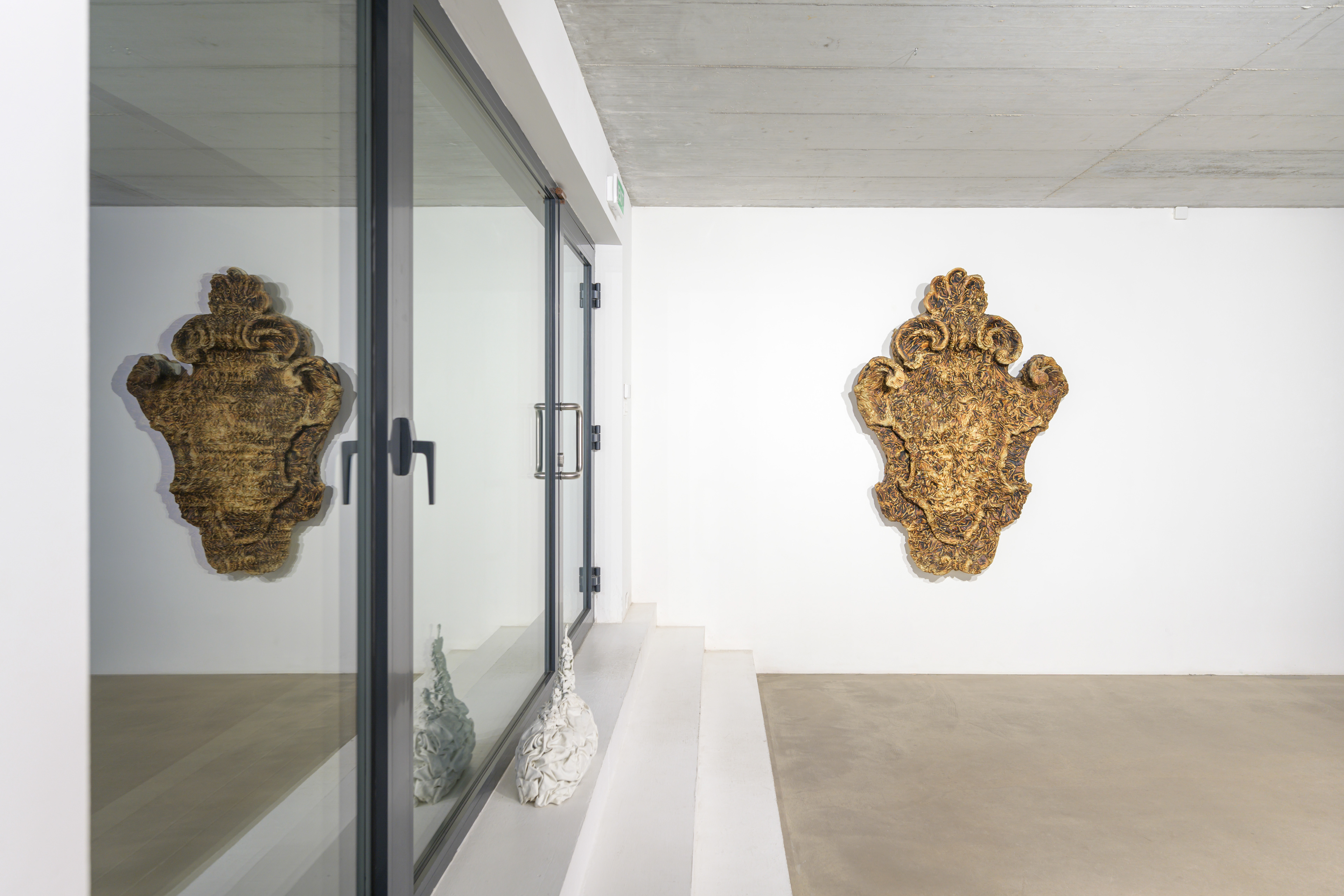
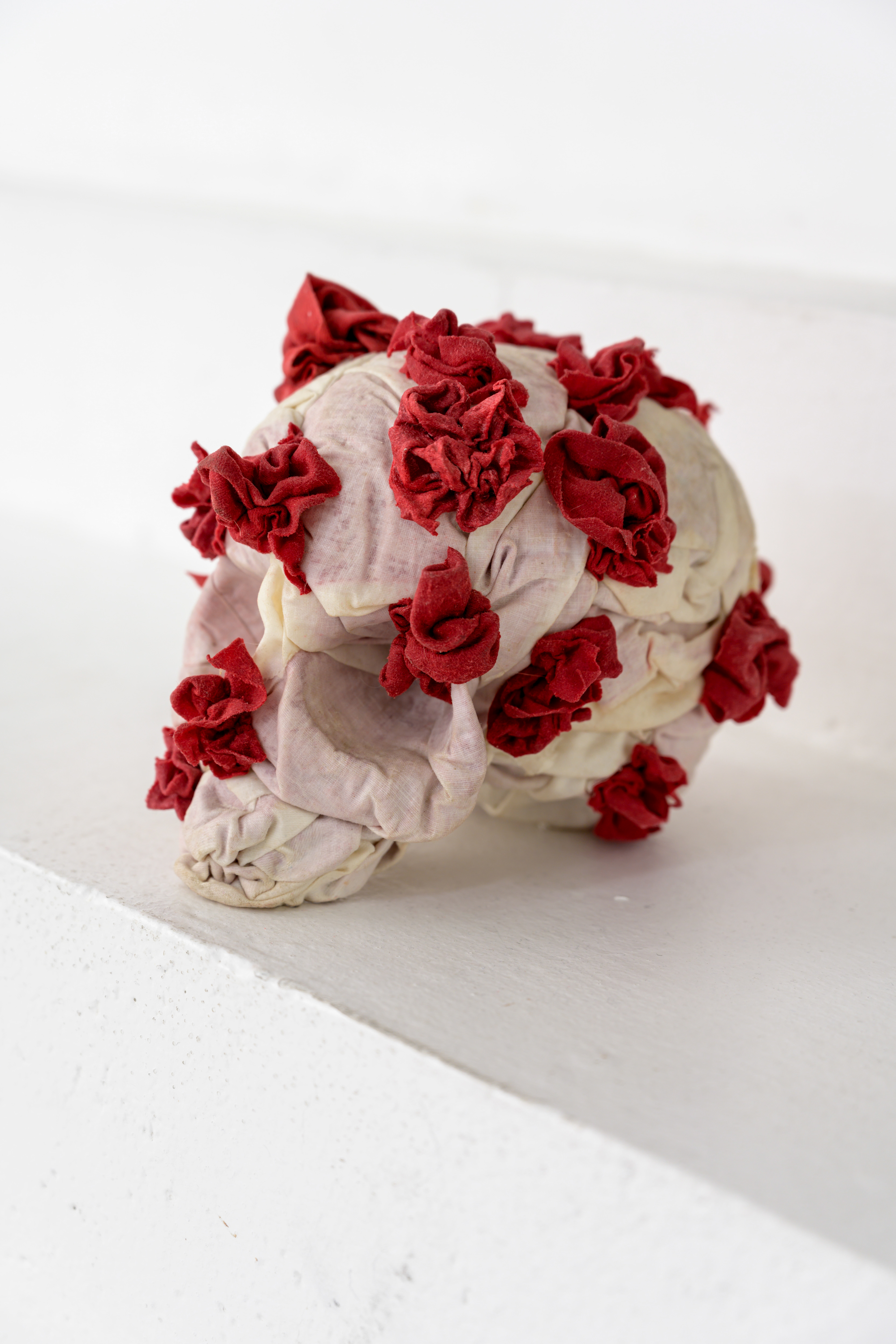
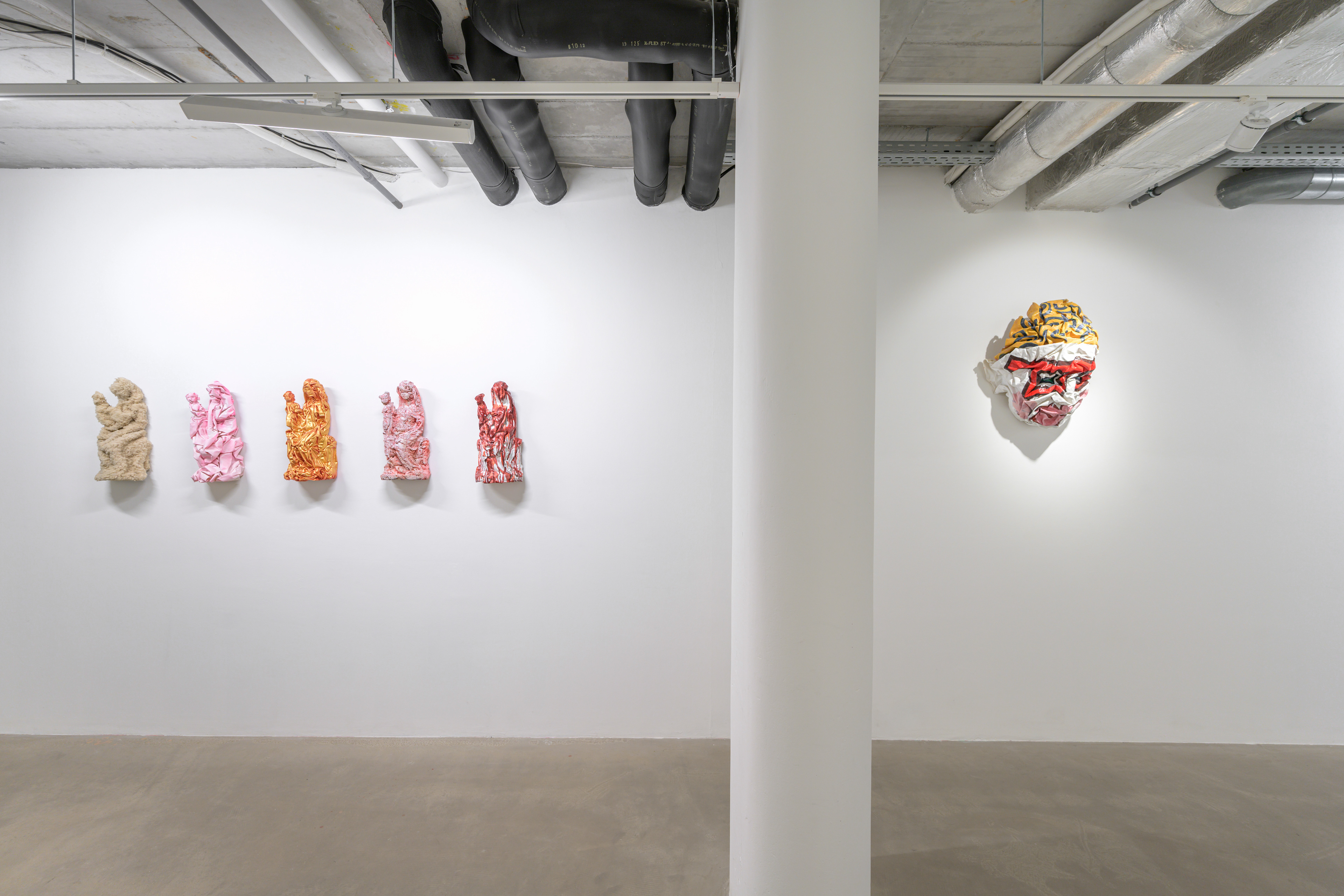
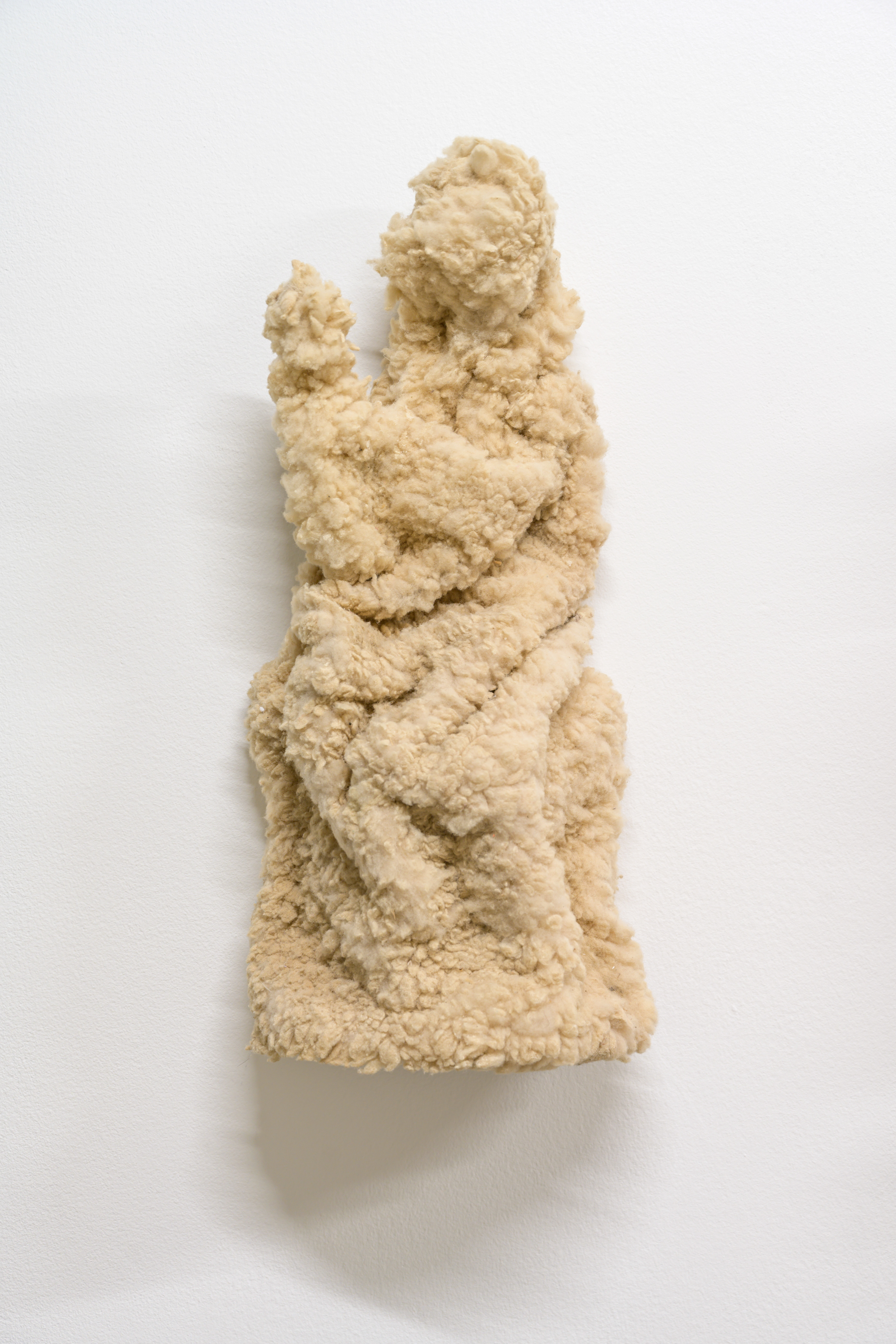
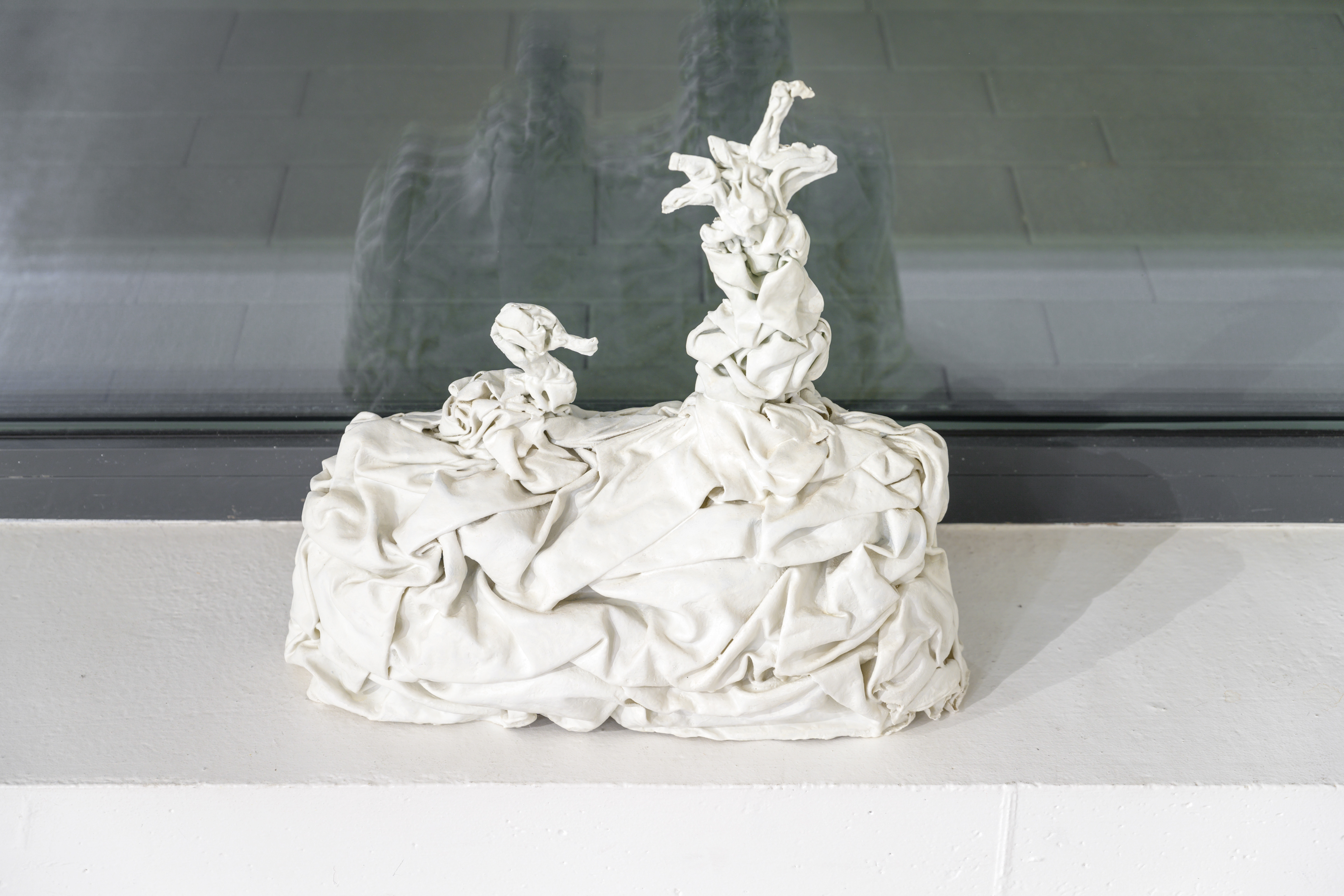
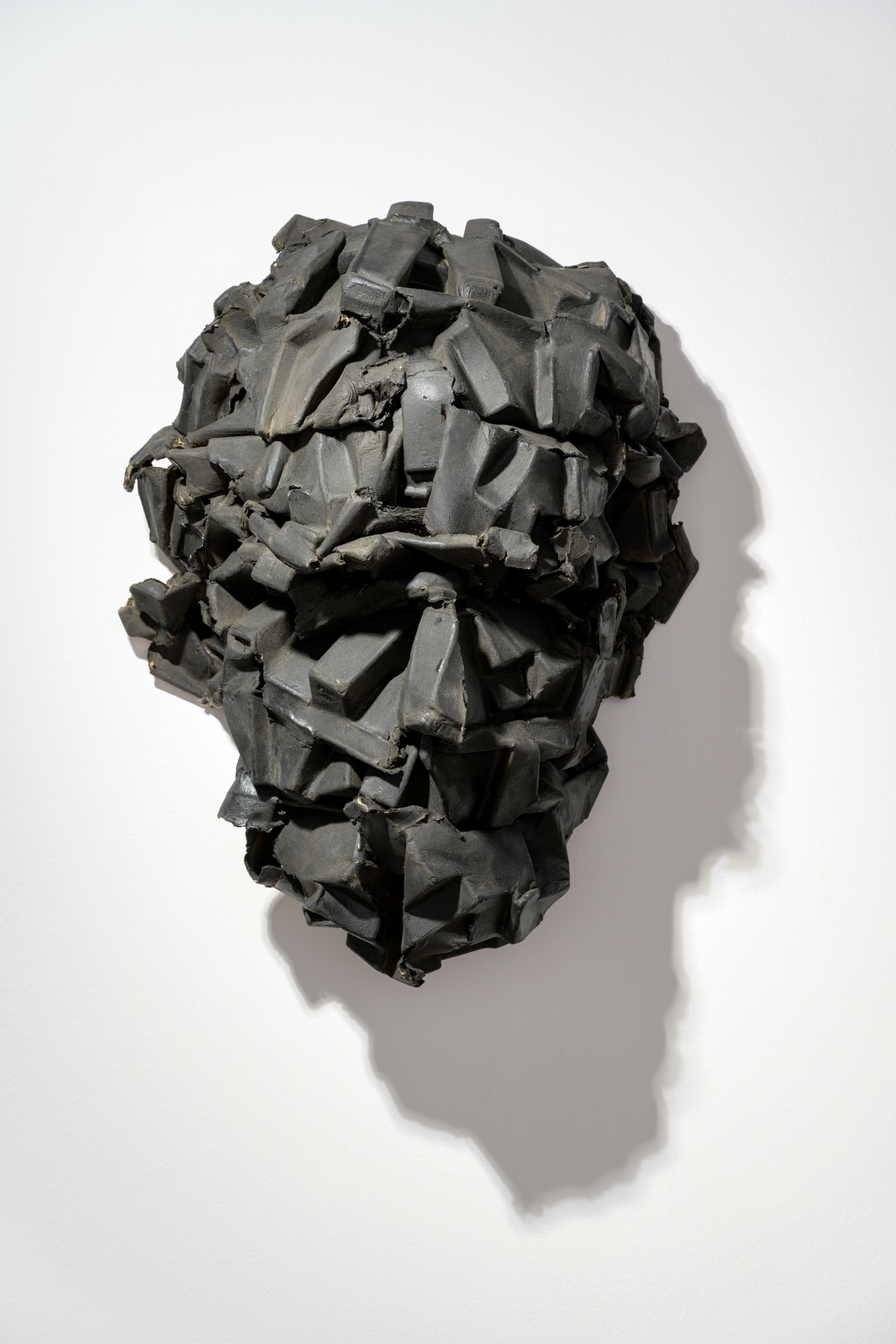
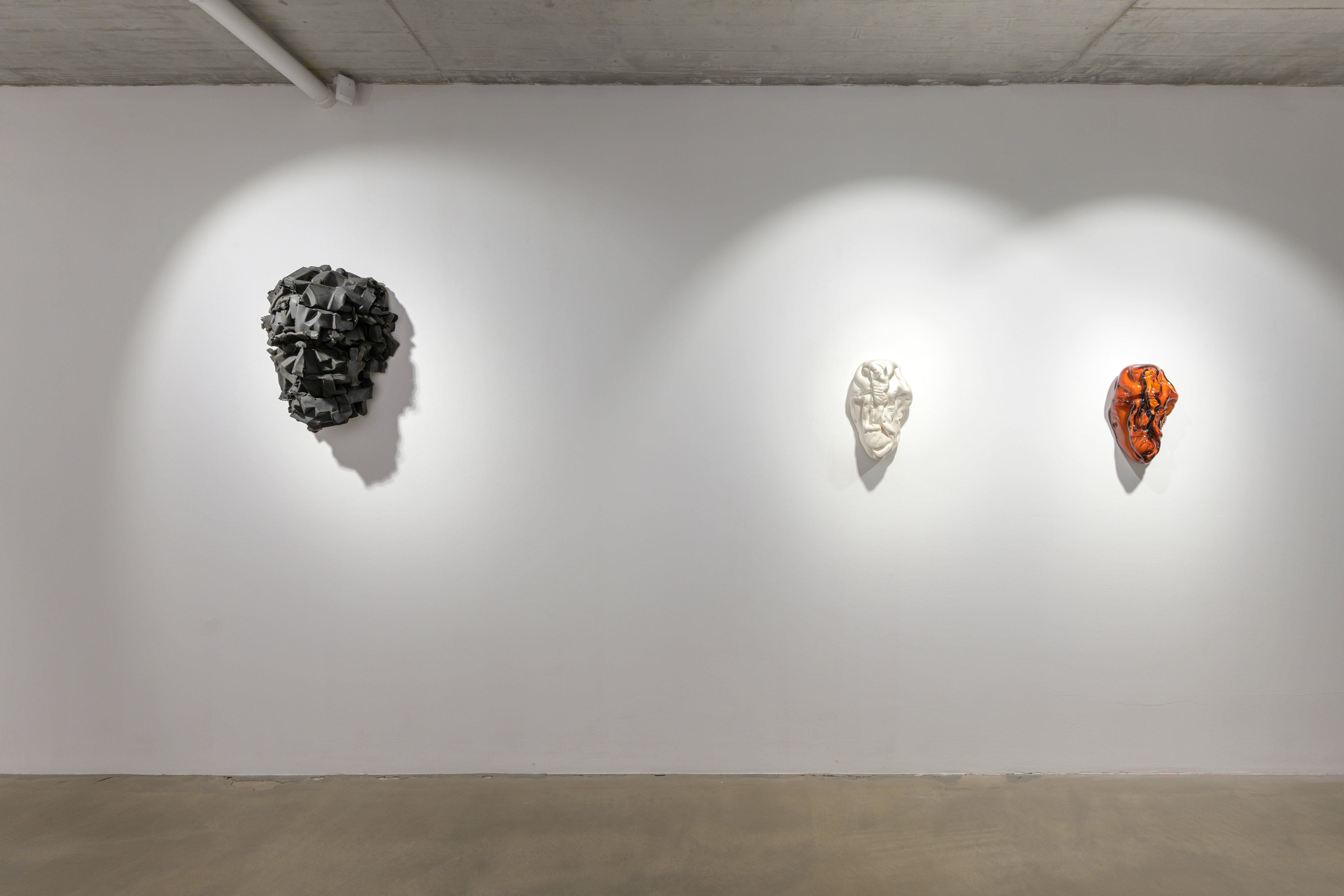
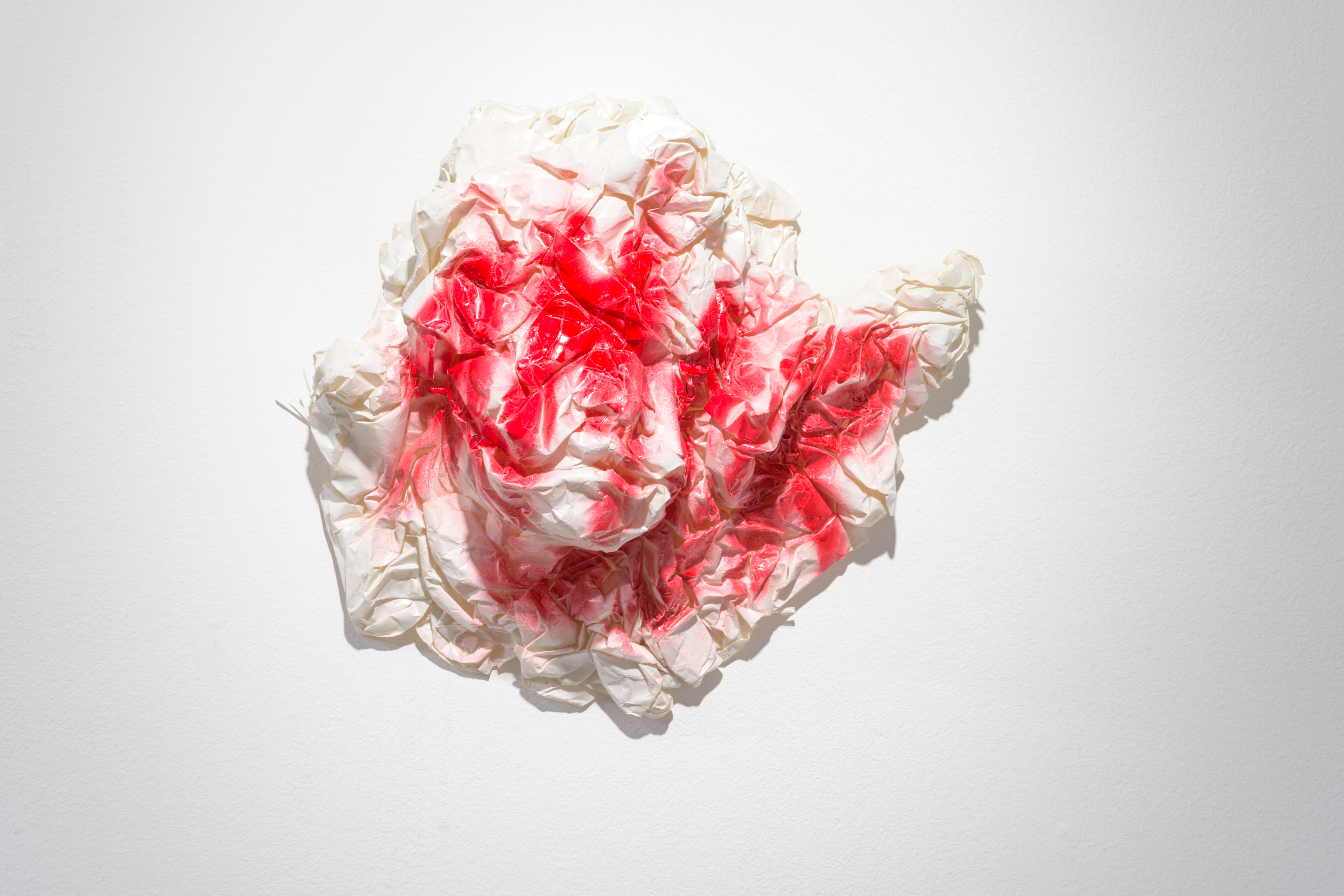
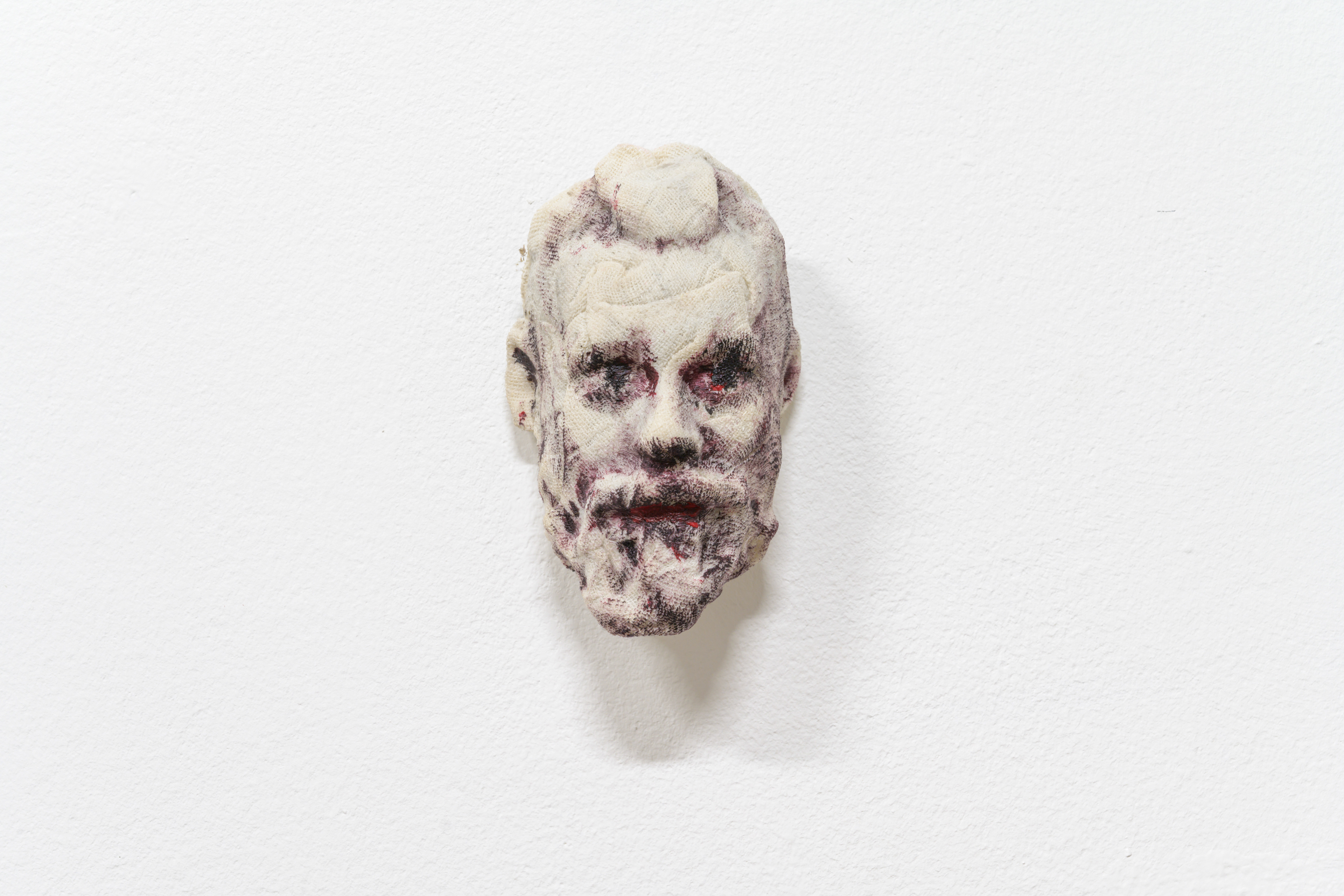
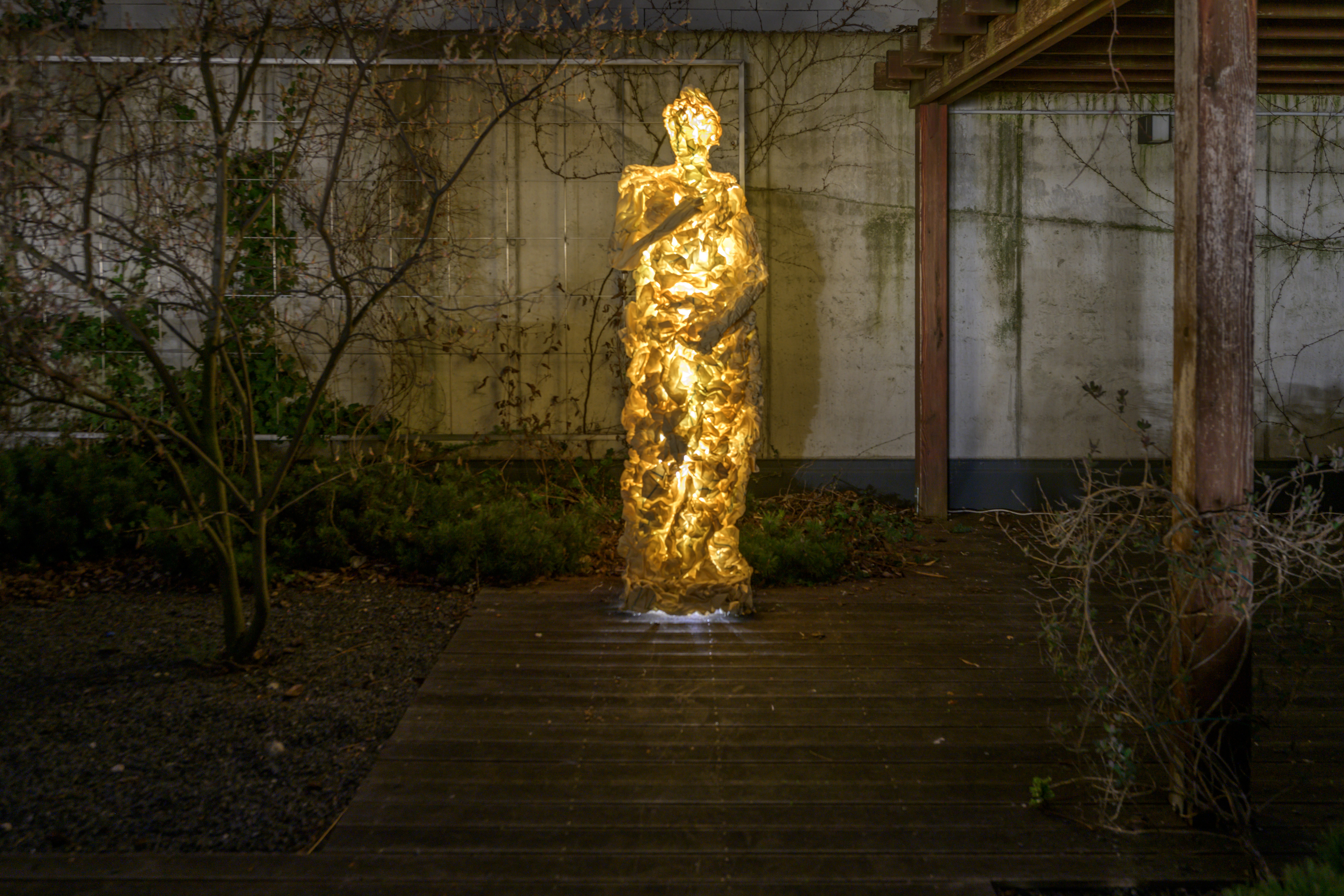
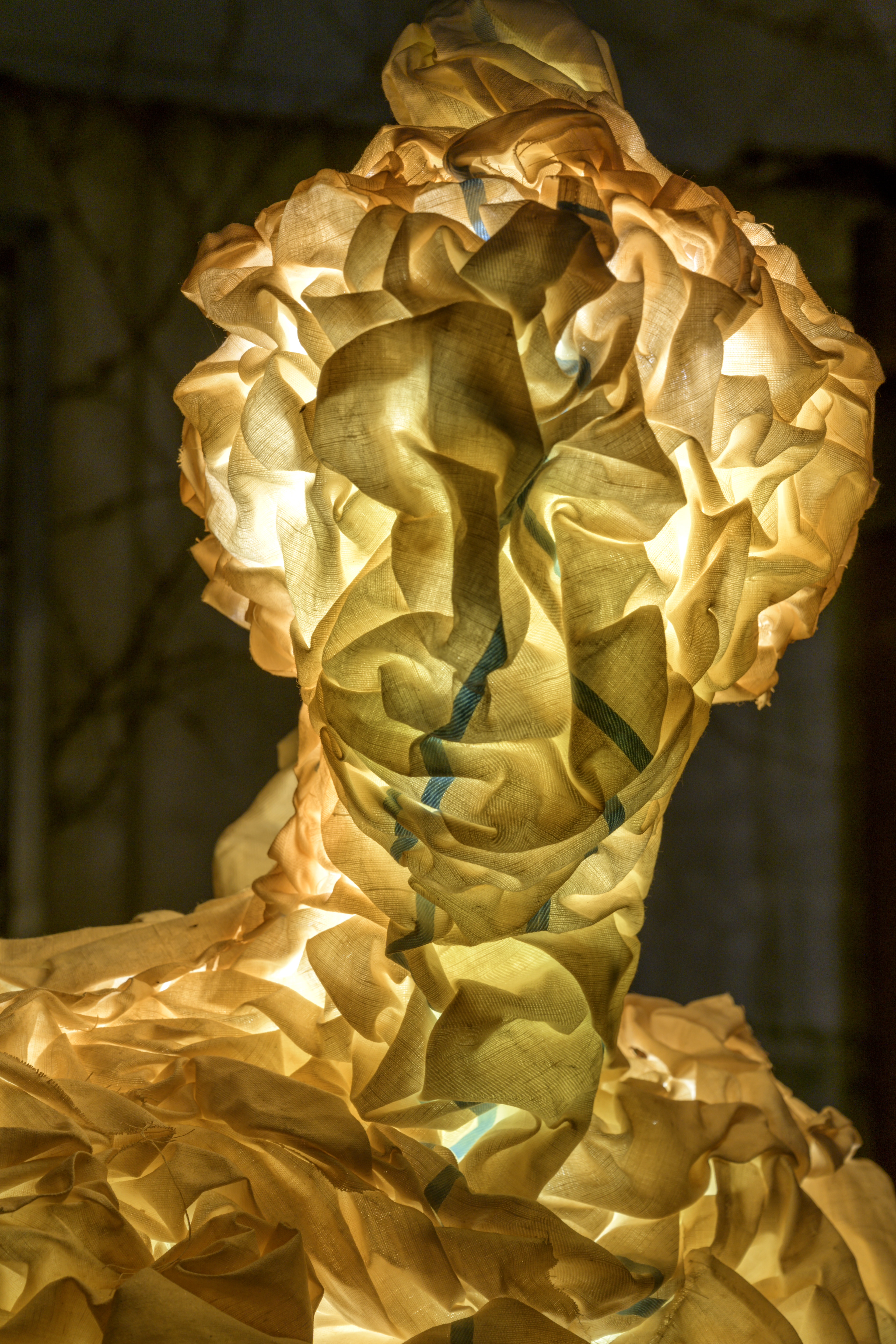
Málokterý sochař se dokázal na současné české umělecké scéně prosadit s takovou razancí jako Martin Skalický. Jeho netradiční přístup k figurálnímu sochařství souvisí s využíváním forem již existujících soch a s jejich materiálovými proměnami. Spojením fragmentů minulosti se současnými uměleckými postupy a netradičními materiály vytváří mnohovýznamové symboly, v nichž se přirozeně prolínají duchovní hodnoty s ironickým nadhledem i společenskou kritikou.
Skalický, který je původní profesí umělecký štukatér, zná řemeslnou praxi odlévání kopií ze sochařských forem velmi dobře. Využití forem v jeho umělecké tvorbě se tedy jeví jako poměrně logické, ale souvisí i s jeho obecným postojem k životu a k umění. Skalického základní východisko spočívá v přesvědčení, že umění je otevřené pole, v němž se můžeme pohybovat zcela svobodně všemi směry. Můžeme pracovat se vším, co nás obklopuje, ať už jde o materiály, motivy a symboly nebo umělecké prostředky. V jeho přístupu je tedy vedle aspektu recyklace (materiálů, znaků, symbolů, forem) patrný i vliv postmoderny, zprostředkovaný zejména osobností Michala Gabriela, v jehož ateliéru Skalický studoval.
Skalický nevyužívá sochařské formy k vytváření kopií, ale svým přístupem primární účel těchto forem přímo popírá. Jeho sochy jsou s původní předlohou spjaté jen volně jako s nějakou mlhavou vzpomínkou, kterou výrazně proměňují a rozšiřují o další obsahové a estetické kvality. Proto má také Skalický v oblibě textilní a jiné amorfní materiály, které přejímají jen hrubé rysy sochařské formy. S textilem přitom pracuje už od svých studentských let, kdy poprvé opatřil historizující portrét své ženy skutečnou textilní košilkou. Na umělecké scéně se pak prosadil zejména cyklem sešívaných textilních soch vyplněných polyuretanovou pěnou, který jeho práci se sochařskými formami bezprostředně předcházel.
V posledních dvou desetiletích jsme svědky nebývalého zájmu o textil u mnoha dalších umělců a umělkyň. Někteří šijí měkké látkové objekty, jiní včleňují textilie do plochy malby nebo vytvářejí obrazy či objekty naleptáváním umělých textilních vláken (např. Eva Koťátková, Johana Pošová, Michal Pěchouček, Judita Levitnerová). Skalického tvorba je v tomto kontextu ojedinělá nejen apropriací historických soch, ale i samotnou technologií, která je založená na transformaci původně měkké, beztvaré textilie do pevného sochařského tvaru. Některé jeho sochy na první pohled dokonce působí, jako by byly skutečně vytesané z kamene.
Vedle reflexe a aktualizace znaků starého světa je pro Skalického důležitý právě problém hmoty a sumárního tvaru sochy. K textiliím přistupuje jako k sochařské hmotě a vytváří tak zajímavou technologickou alternativu, v níž se spojuje klasické modelování hmoty (nejčastěji hlíny nebo vosku) s odléváním (sádry, bronzu apod.). Jeho sochy vznikají v konfrontaci striktní sochařské formy s beztvarou textilní matérií, kterou umělec uvnitř formy organizuje a fixuje pryskyřicí. Strukturní sklady textilie utváří jakousi vnitřní drapérii, která rozrušuje celistvý povrch sochy a prolamuje ji směrem dovnitř. Forma tedy určuje pouze mezní body tvaru finální sochy, ale její vnitřní hmota je utvářena zcela svobodně v intencích autora, ovšem se značným přispěním náhody. Výraz soch se navíc dynamicky proměňuje působením světla a stínu, které sochám dodávají mnohdy velmi dramatické vyznění.
Textil však Skalického zajímá i ve významové, funkční a symbolické rovině. Uvažuje o něm jako o „nejpříjemnějším materiálu, který kdy bylo lidstvo schopné vytvořit“. Textil nás po celý život neustále obklopuje, chrání nás, zlepšuje naše schopnosti a jeho prostřednictvím můžeme rovněž vyjadřovat svou osobnost, politické přesvědčení nebo třeba hudební vkus. Symbolické hodnoty konkrétních textilií, stejně jako jejich barevnost a struktura, vnášejí do soch další významové a výrazové vrstvy, které autor někdy ještě formuje dodatečnými zásahy, jako jsou leštění, řezání, broušení nebo opalování ohněm.
Skalický se zároveň snaží pracovat tak, aby byl v co největší symbióze se svým okolím, proto velmi často používá materiály, které jsou považovány za nepotřebné či odpadové, například vyřazené oděvy, prostěradla, koberce, ovčí vlnu, karton nebo třeba stavební suť. Tyto materiály proměňuje v sochy, jež paradoxně působí velmi esteticky a někdy i ornamentálně. Odpad podle Skalického nemusíme chápat jako cosi hanlivého nebo ošklivého, v obecné rovině jde vlastně o jakýsi pozůstatek minulosti, který již ztratil svůj význam a nikdo mu nevěnuje pozornost. Každý materiál však s sebou zároveň nese nějaký příběh, zůstává v něm zachováno určité svědectví o životě člověka. Za odpad ale můžeme považovat i sochařské formy historických soch – v běžné restaurátorské praxi totiž po použití ztrácí svůj význam a jsou skutečně určené k likvidaci. Ve Skalického tvorbě se však ukazuje, že jejich prostřednictvím můžeme reflektovat a aktualizovat znaky minulosti, ať už jde o alegorie a erby z fasád historizujících budov, kolem nichž denně bez povšimnutí procházíme, nebo o sošky Madon, světců a andílků, které ve stále sekularizovanější společnosti ztrácejí svůj někdejší význam.
V poslední době začal Skalický experimentovat kromě textilu i s dalšími materiály. Pozoruhodné možnosti mu otevřela zejména spolupráce se sklárnou AJETO, která je součástí společnosti Lasvit. Sérii skleněných hlav z hutního skla vytvořil opět s pomocí forem, které tentokrát nepřejal z již existujících soch, ale vymodeloval pro tento účel nové portréty. Kvůli výrazným rysům tváře zvolil podobizny bezdomovců, hlavy však musely být z technologických důvodů provedeny kónicky, což se promítlo i do jejich modelace, a portréty nakonec působí velmi harmonicky. Během odlévání zde ale opět dochází k zajímavým proměnám. Zatímco textilie vytvářejí ve formách ornamentální struktury, masivní hmota skla se ve formách rozpíná a deformuje tváře do velmi expresivních útvarů, které mohou být krásné, ale v jiných parafrázích mohou také evokovat stopy násilí nebo postupujícího rozkladu.
Podobu i významy prvotních soch tedy Skalický prostřednictvím nových materiálů částečně přejímá, ale zároveň do nich vnáší zcela nové morfologické a sémantické aspekty, ve kterých se stírají hranice mezi minulostí a současností, trvanlivostí a křehkostí, ale i krásou a ošklivostí. A právě díky tomu si na poli současného umění vydobyl silnou pozici.
Martina Mrázová
Few sculptors have made such a powerful impact on the contemporary Czech art scene as Martin Skalický. His unconventional approach to figurative sculpture is rooted in the use of moulds derived from existing sculptures and the transformation of their material qualities. By combining fragments of the past with contemporary artistic techniques and unconventional materials, he creates symbols rich in meaning, in which spiritual values intersect with irony and social criticism.
Originally trained as an ornamental plasterer, Skalický is thoroughly familiar with the traditional craft of producing sculptural replicas using moulds. His decision to incorporate these moulds into his artistic practice therefore seems a logical one, but it also reflects his broader attitude towards life and art. Central to his approach is the conviction that art is an open field in which we are free to move in any direction. Everything around us can become a resource for artistic creation, whether materials, motifs, symbols, or techniques. Alongside the principle of recycling—of materials, signs, symbols, and forms—his work also reveals the influence of postmodernism, particularly through Michal Gabriel, in whose studio Skalický studied.
Skalický does not use sculptural moulds to produce copies; on the contrary, his approach directly challenges their original purpose. His sculptures retain only a loose connection to their historical models, like distant, indistinct memories that are transformed and enriched with new layers of meaning and aesthetic qualities. This is also why Skalický favours textiles and other amorphous materials, which capture only the broad contours of the original sculptural form. He has worked with textiles since his student years, when he first incorporated a real fabric garment into a portrait of his wife inspired by historical sculpture. He subsequently gained recognition primarily through a series of sewn textile sculptures filled with polyurethane foam, which immediately preceded his experiments with sculptural moulds.
Over the past two decades, we have witnessed an unprecedented interest in textiles among contemporary artists. Some create soft fabric sculptures, while others incorporate textiles into the painted surface or produce paintings and objects by etching synthetic textile fibres, as in the work of Eva Koťátková, Johana Pošová, Michal Pěchouček, and Judita Levitnerová. Within this context, Skalický's practice is distinctive not only for its appropriation of historical sculpture but also for the technique itself, based on transforming initially soft, shapeless fabric into a solid sculptural form. At first glance, some of his sculptures even appear to have been carved from stone.
Beyond reflecting on and reinterpreting the symbols of the past, Skalický is particularly concerned with the material substance and overall form of sculpture. He approaches textiles as sculptural matter, developing an alternative technique that combines aspects of traditional modelling, most commonly in clay or wax, with casting processes used for materials such as plaster and bronze. His sculptures emerge from a confrontation between the rigid constraints of the sculptural mould and the formlessness of the textile material, which the artist arranges within the mould and fixes in place with resin. The folds of the fabric create a kind of internal drapery that disrupts the sculpture's continuous surface, opening its form inwards. The mould thus determines only the outer limits of the finished sculpture, while the arrangement of the fabric within those boundaries is shaped more freely according to the artist's intentions, with chance playing a significant part. The sculptures' appearance is further transformed by the dynamic interplay of light and shadow, which often lends them a strikingly dramatic character.
Yet Skalický is also interested in textiles for their meanings, functions, and symbolic associations. He considers textiles “the most pleasant material humanity has ever created”. They surround us throughout our lives: they protect us, enhance our abilities, and allow us to express our personalities, political convictions, or even our musical tastes. The symbolic associations of particular fabrics, together with their colours and textures, introduce further layers of meaning and expression into his sculptures. At times, Skalický develops these qualities through additional interventions, including polishing, cutting, grinding, or scorching with fire.
Skalický also seeks to work in the closest possible harmony with his surroundings. He therefore frequently uses materials generally considered redundant or destined for disposal, such as discarded clothing, bedsheets, carpets, sheep's wool, cardboard, and even construction rubble. He transforms these materials into sculptures that, paradoxically, often possess a striking aesthetic appeal and sometimes even an ornamental quality. In Skalický's view, waste need not be understood as something inherently worthless or ugly. More broadly, it can be seen as a remnant of the past that has lost its former purpose and slipped beyond our attention. Yet every material carries a story and preserves something of the lives of those who once used it.
Even moulds of historical sculptures can be regarded as waste. In conventional restoration practice, they lose their practical value after use and are often destined for disposal. Skalický's work, however, demonstrates how they can become a means of revisiting and reinterpreting the symbols of the past. These may be allegorical figures and coats of arms on the façades of historicist buildings that we pass every day without noticing, or statuettes of Madonnas, saints, and cherubs whose former significance is gradually fading in an increasingly secular society.
More recently, Skalický has begun experimenting with materials beyond textiles. His collaboration with the AJETO glassworks, part of the Lasvit company, has opened up particularly intriguing possibilities. For a series of solid-glass heads, he again employed moulds, although this time he did not derive them from existing sculptures. Instead, he modelled new portraits specifically for the project. He chose homeless people as his subjects because of their distinctive facial features. For technical reasons, however, the heads had to be given a tapered form, which also influenced their modelling and ultimately lent the portraits an unexpectedly harmonious appearance.
Yet the process of working with glass once again produces remarkable transformations. Whereas textiles form ornamental structures within the moulds, the substantial mass of glass expands within them, distorting the faces into highly expressive configurations. Some of these forms possess an undeniable beauty, while others evoke traces of violence or progressive decay.
Through his use of new materials, Skalický thus partly preserves the appearance and meanings of his sculptural sources while introducing entirely new morphological and semantic dimensions. The boundaries between past and present, permanence and fragility, and even beauty and ugliness become increasingly blurred. It is precisely through this capacity for transformation that he has established such a distinctive position within contemporary art.
Martina Mrázová