Ještě jednou, prosím
Jana Bernartová, Václav Boštík, Milan Grygar, Jiří Hilmar, Vendula Chalánková, Dalibor Chatrný, Lenka Klodová, Eva Kmentová, Jiří Kolář, Běla Kolářová, Juraj Kollár, Jan Kubíček, František Kyncl, Břetislav Malý, Vladimír Merta, David Možný, Jan Nálevka, Marian Palla, Dita Pepe, Přemysl Procházka, Jiří Staněk, Jan Steklík, Václav Stratil, Margita Titlová Ylovsky, Dezider Tóth, Lubomír Typlt
Telegraph Gallery, Olomouc
14. 5. – 11. 7. 2021
Curated by Miroslav Jiřele & Martina Mrázová
Photo Vladimír KIVA Novotný
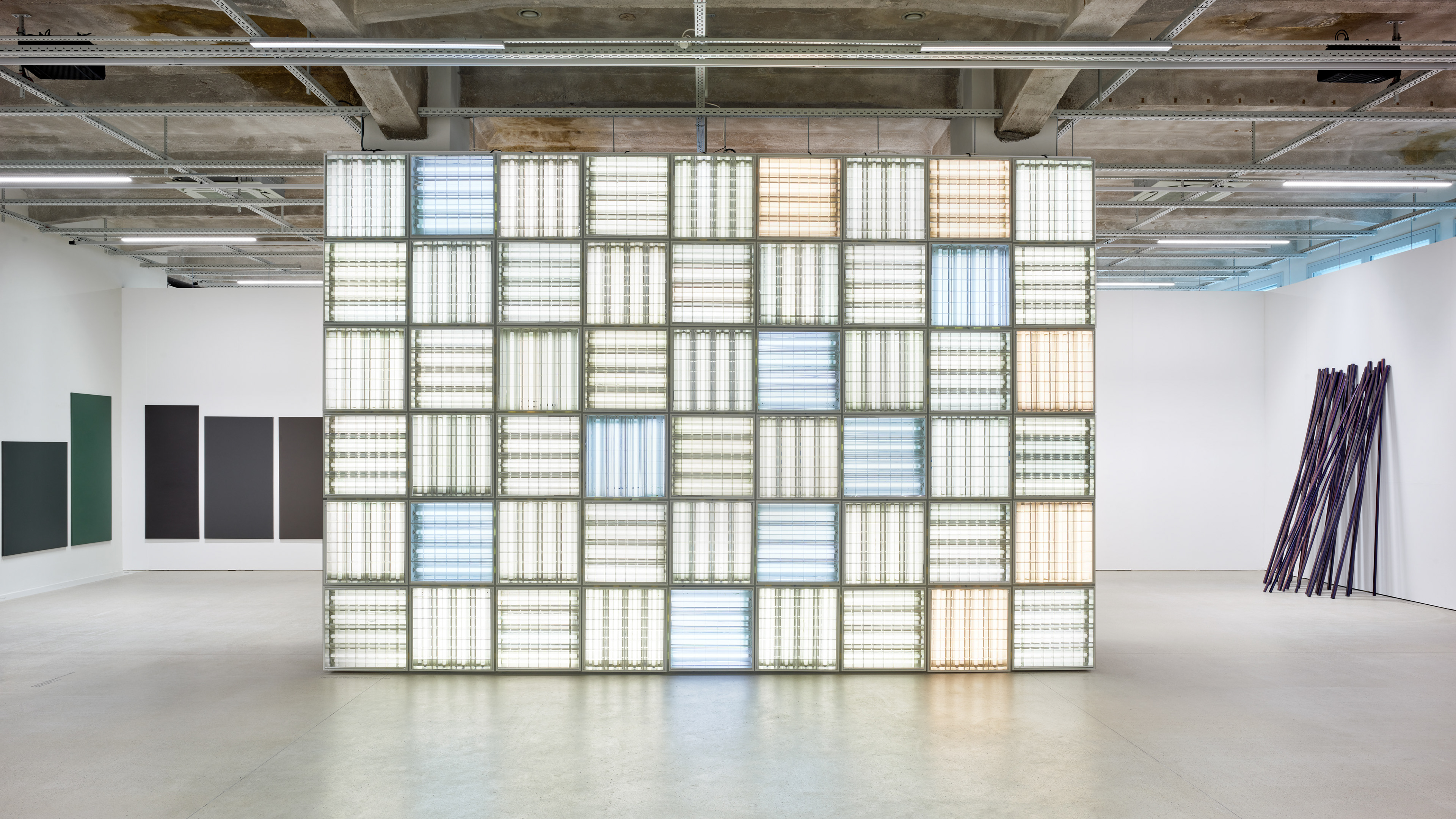
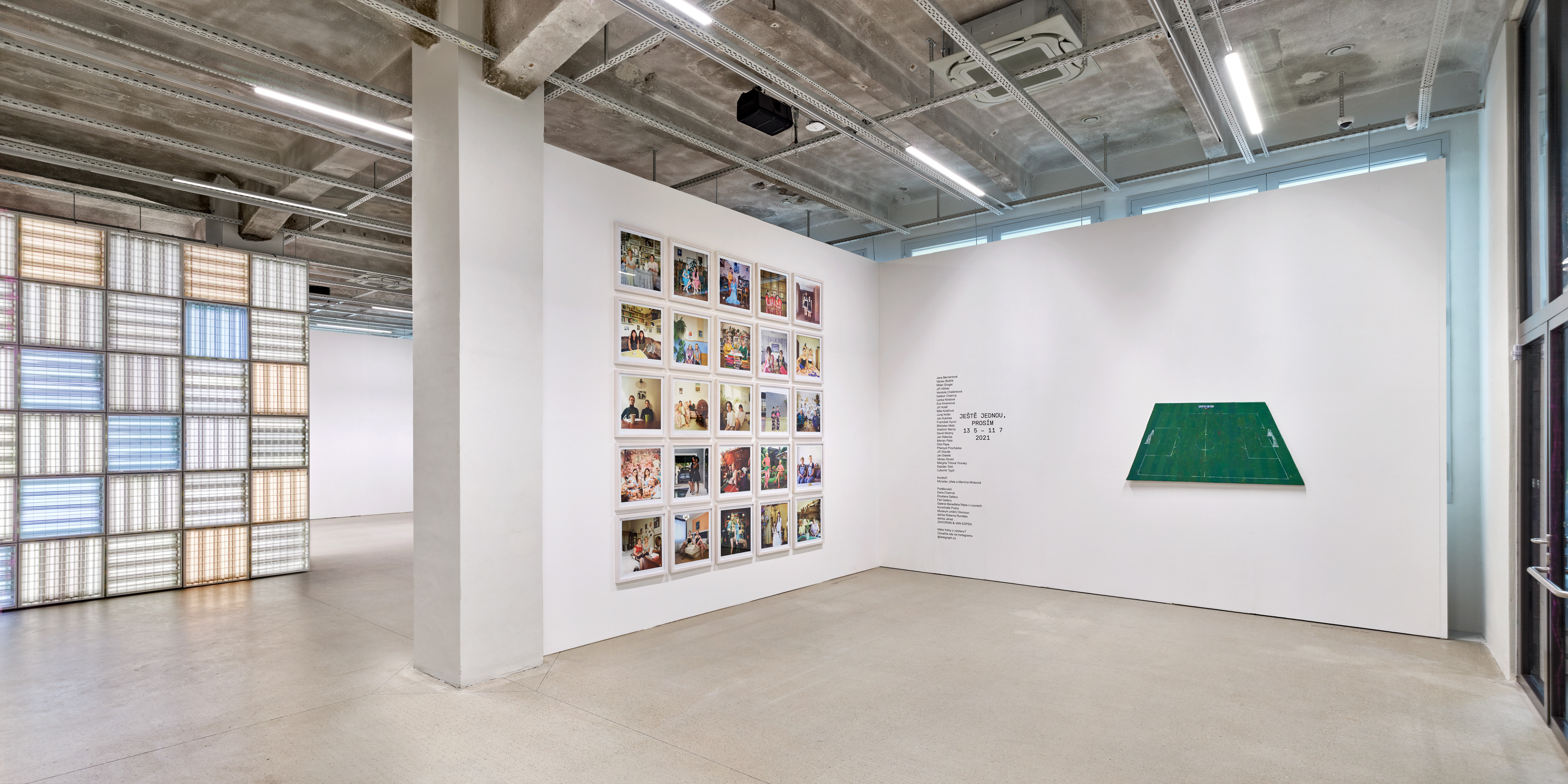
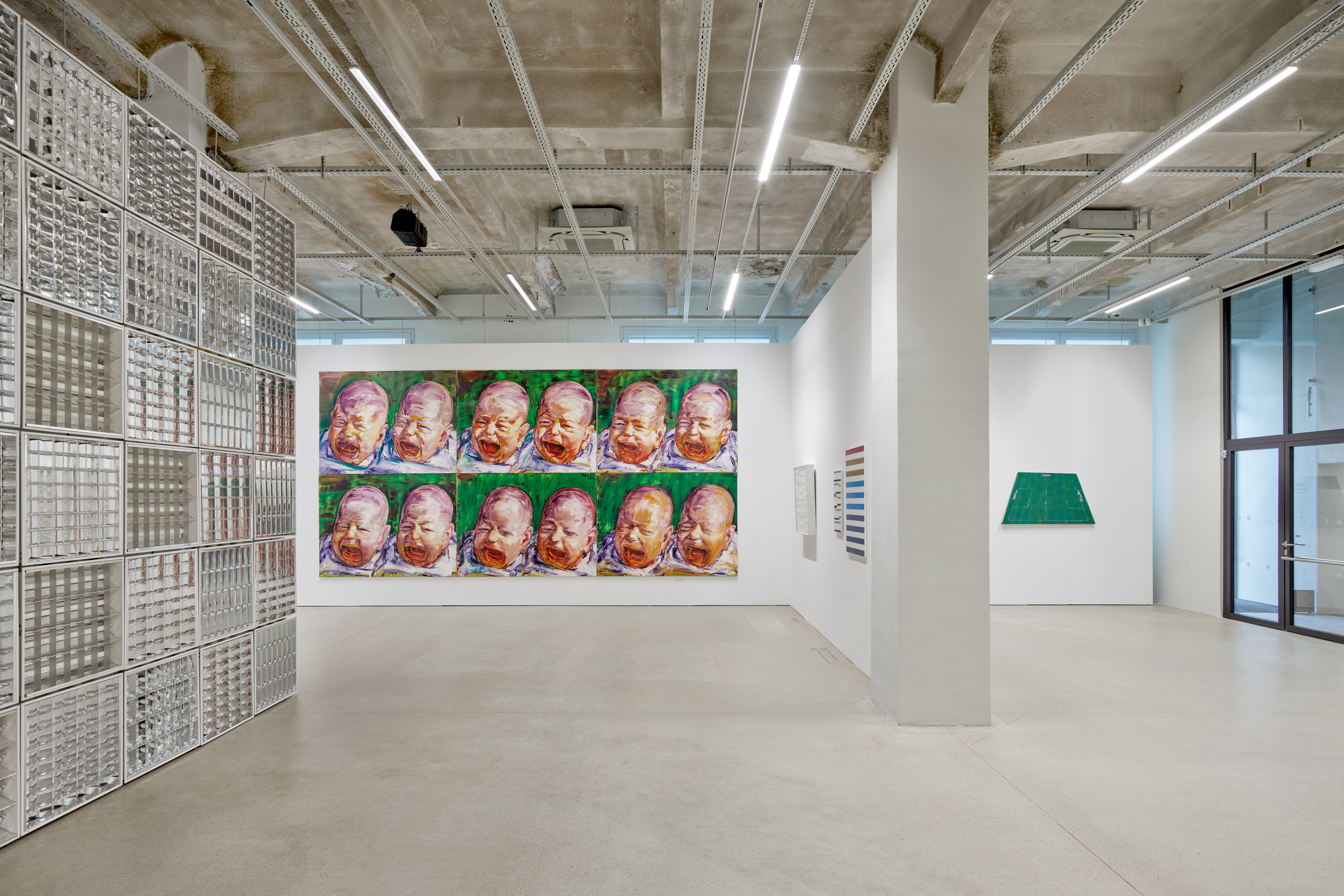
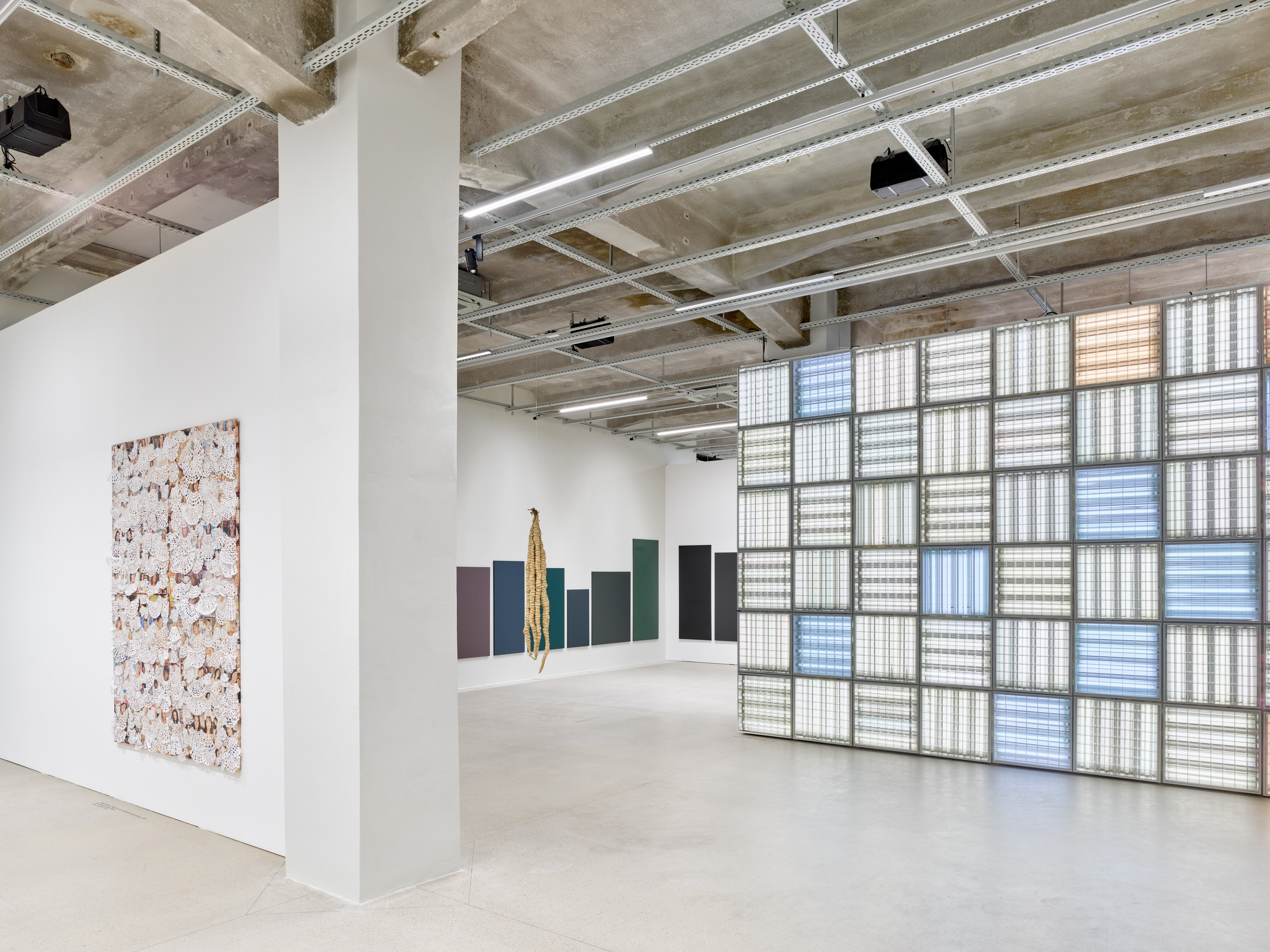
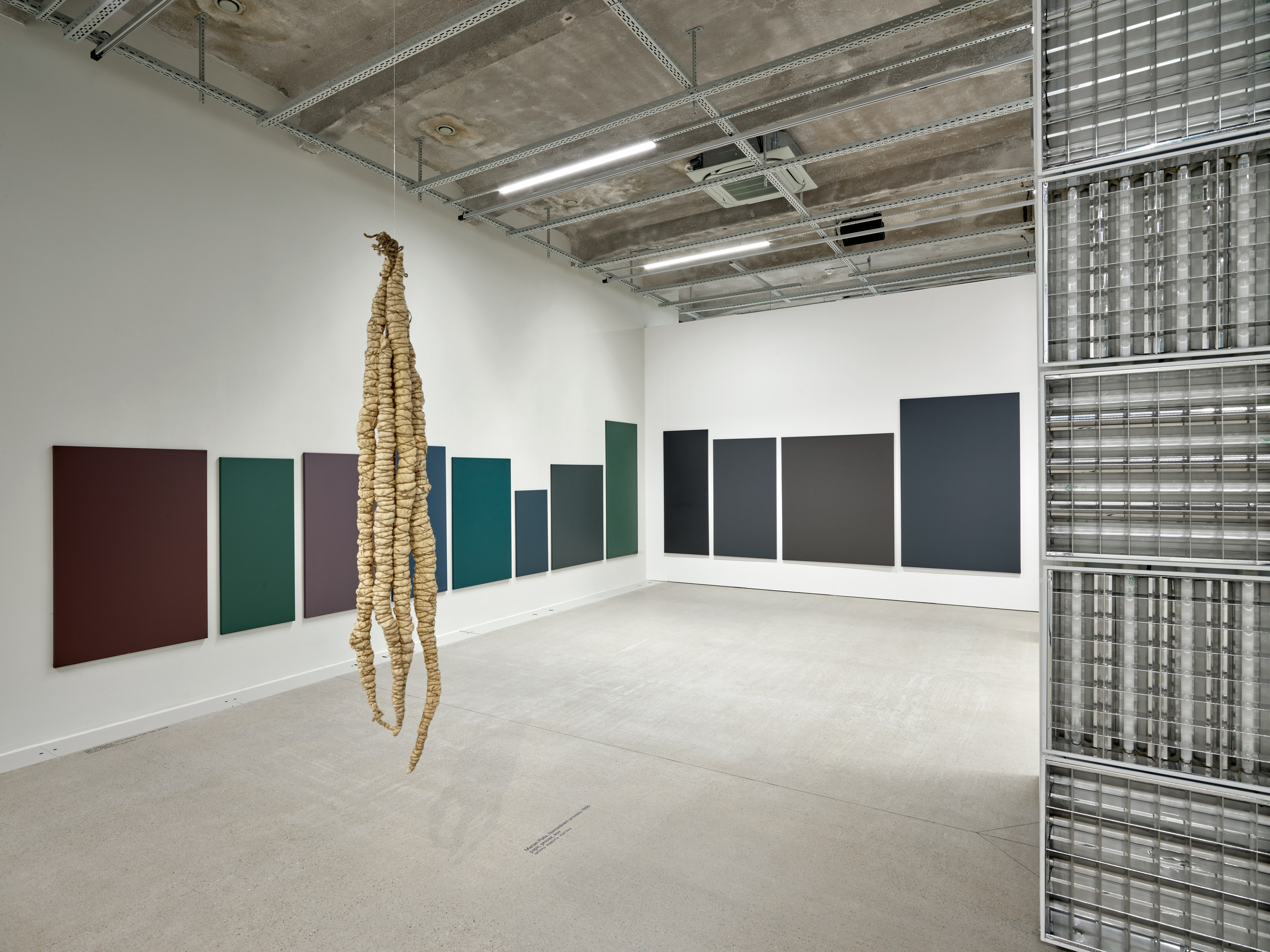
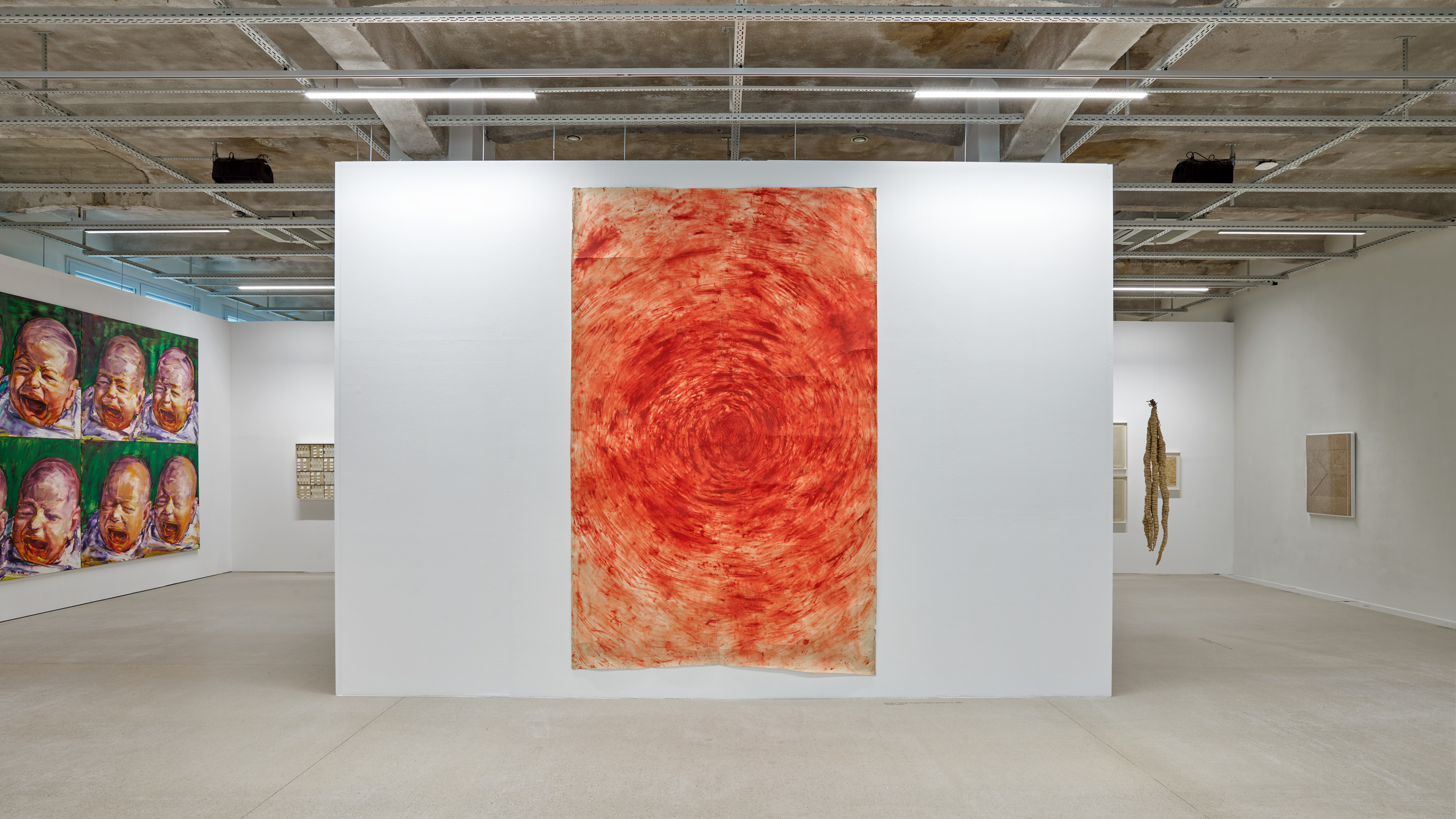
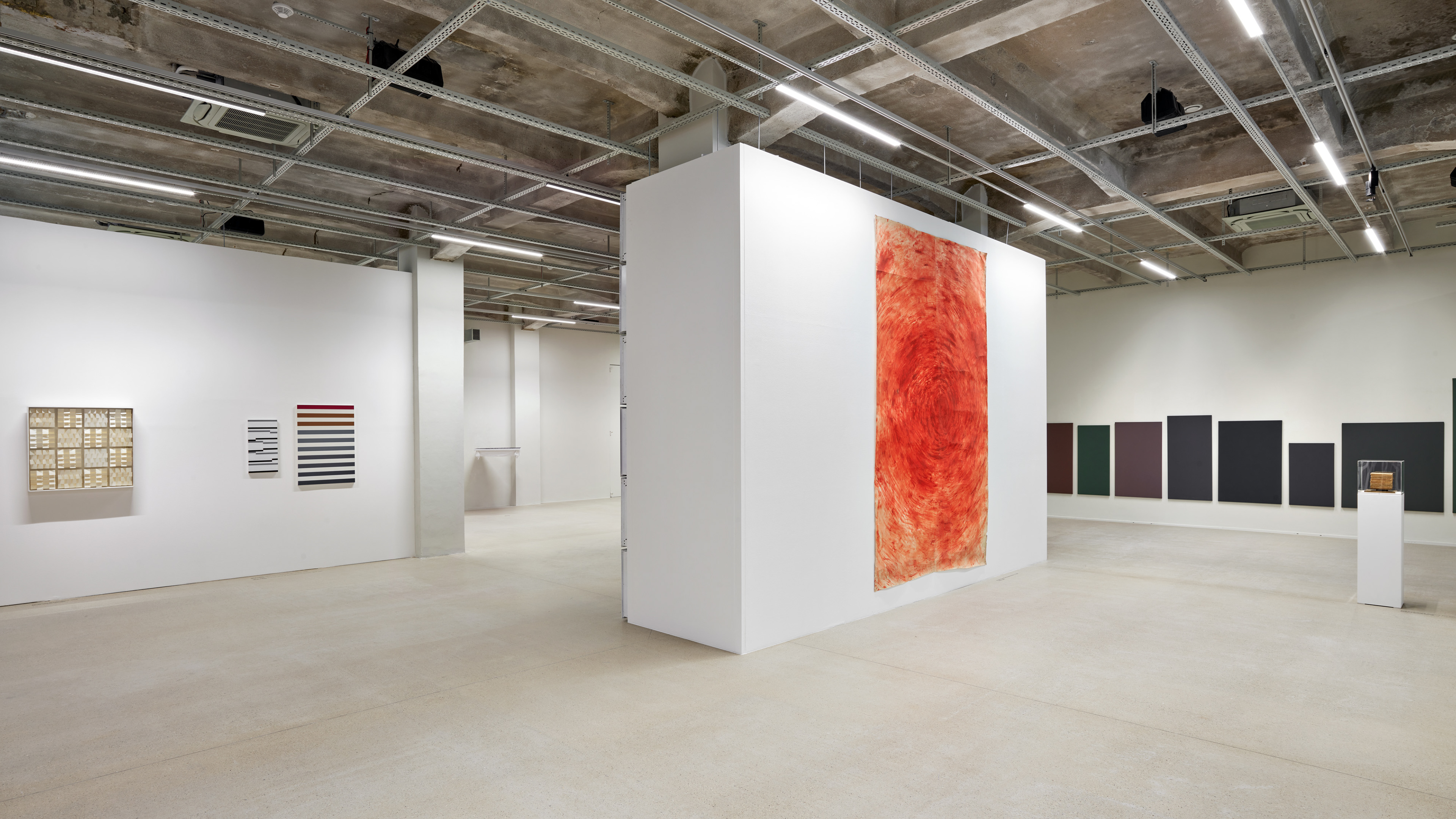
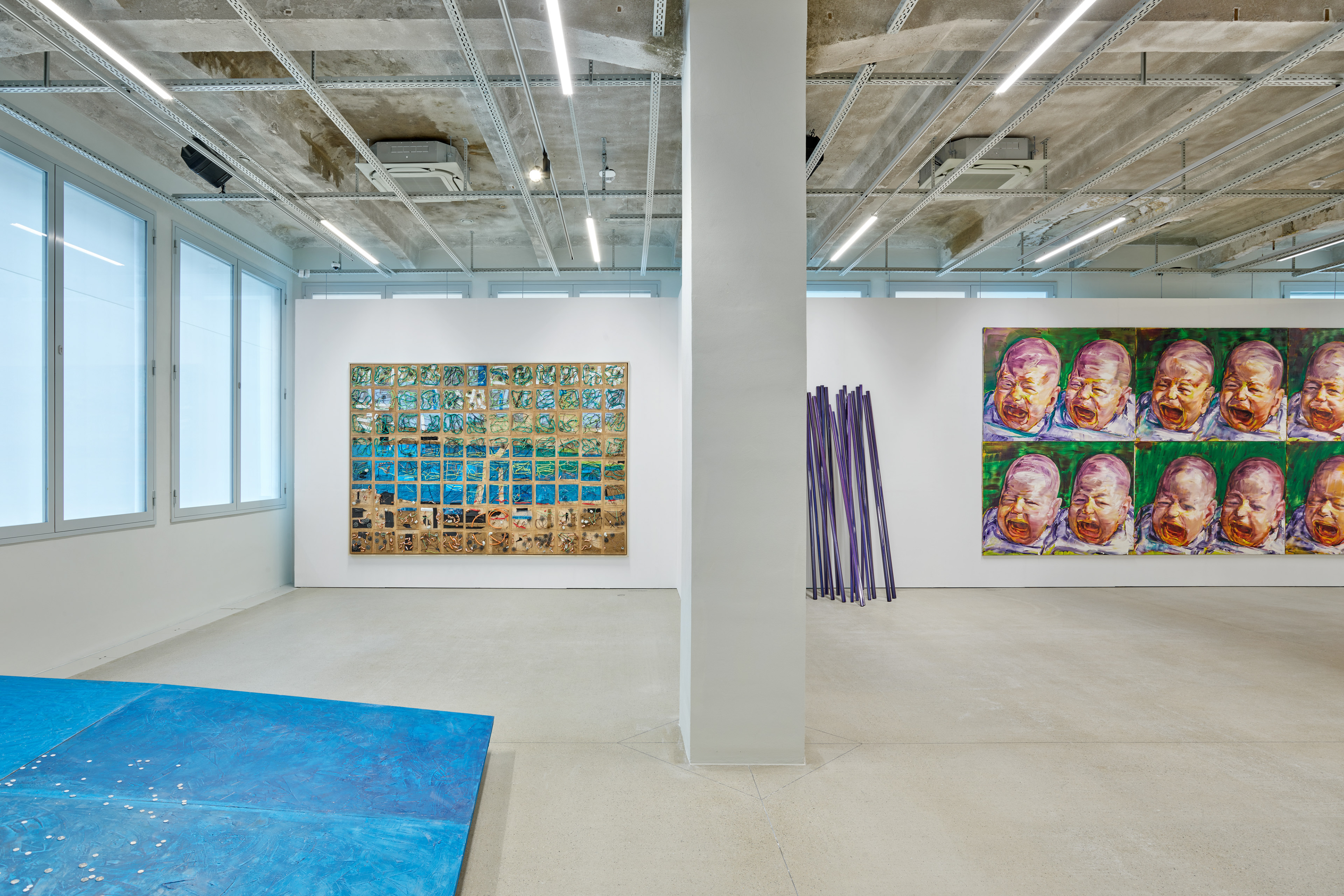
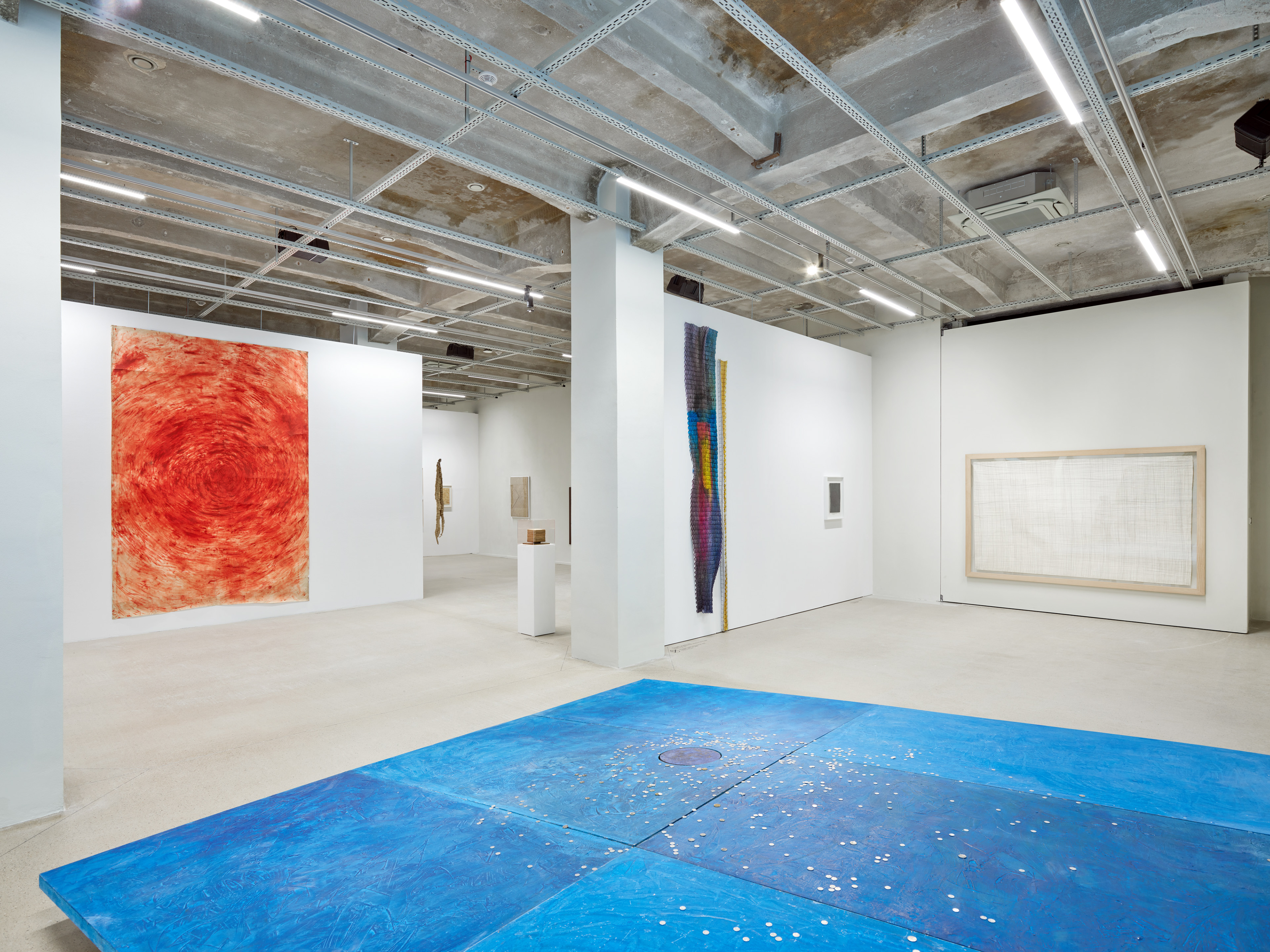
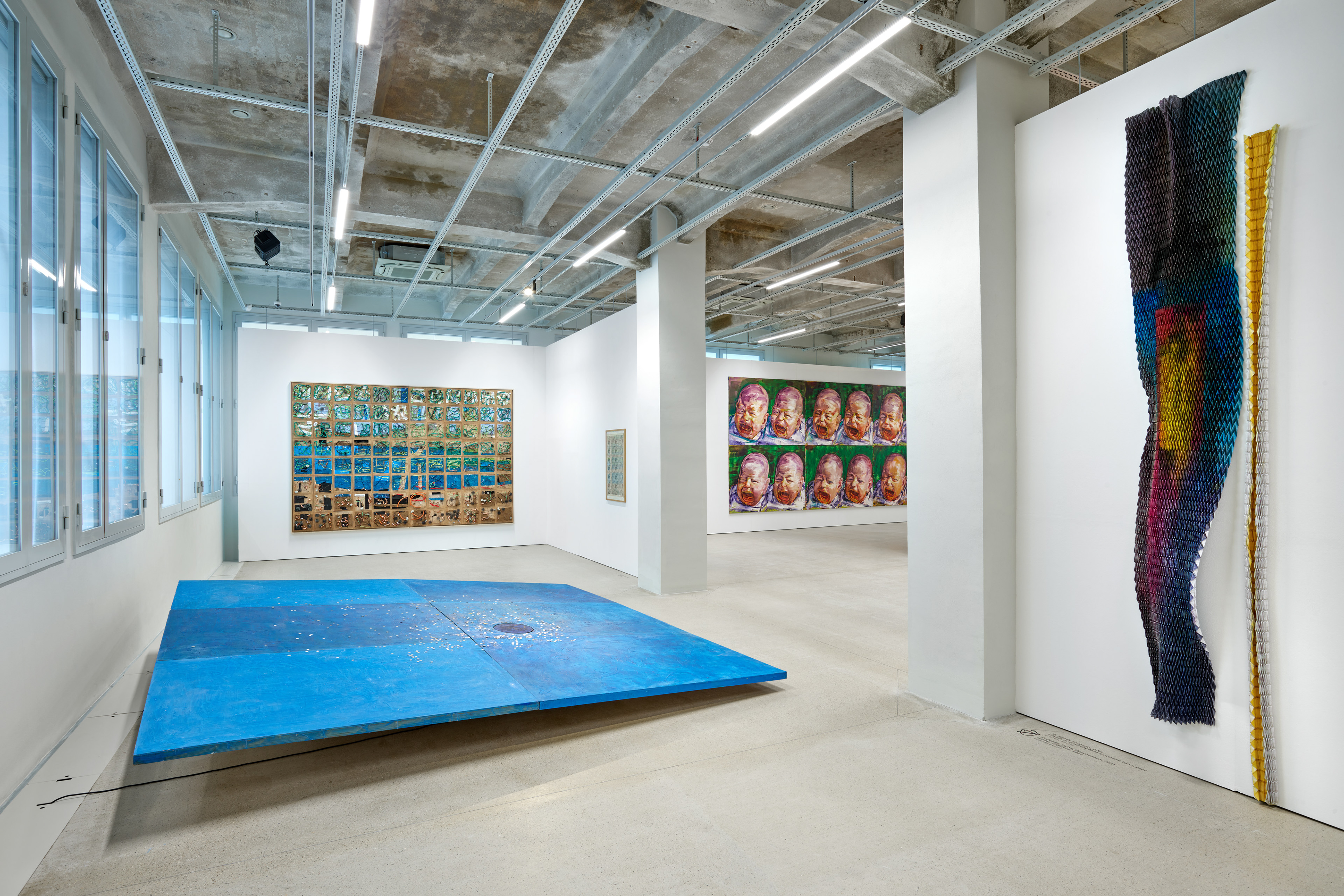
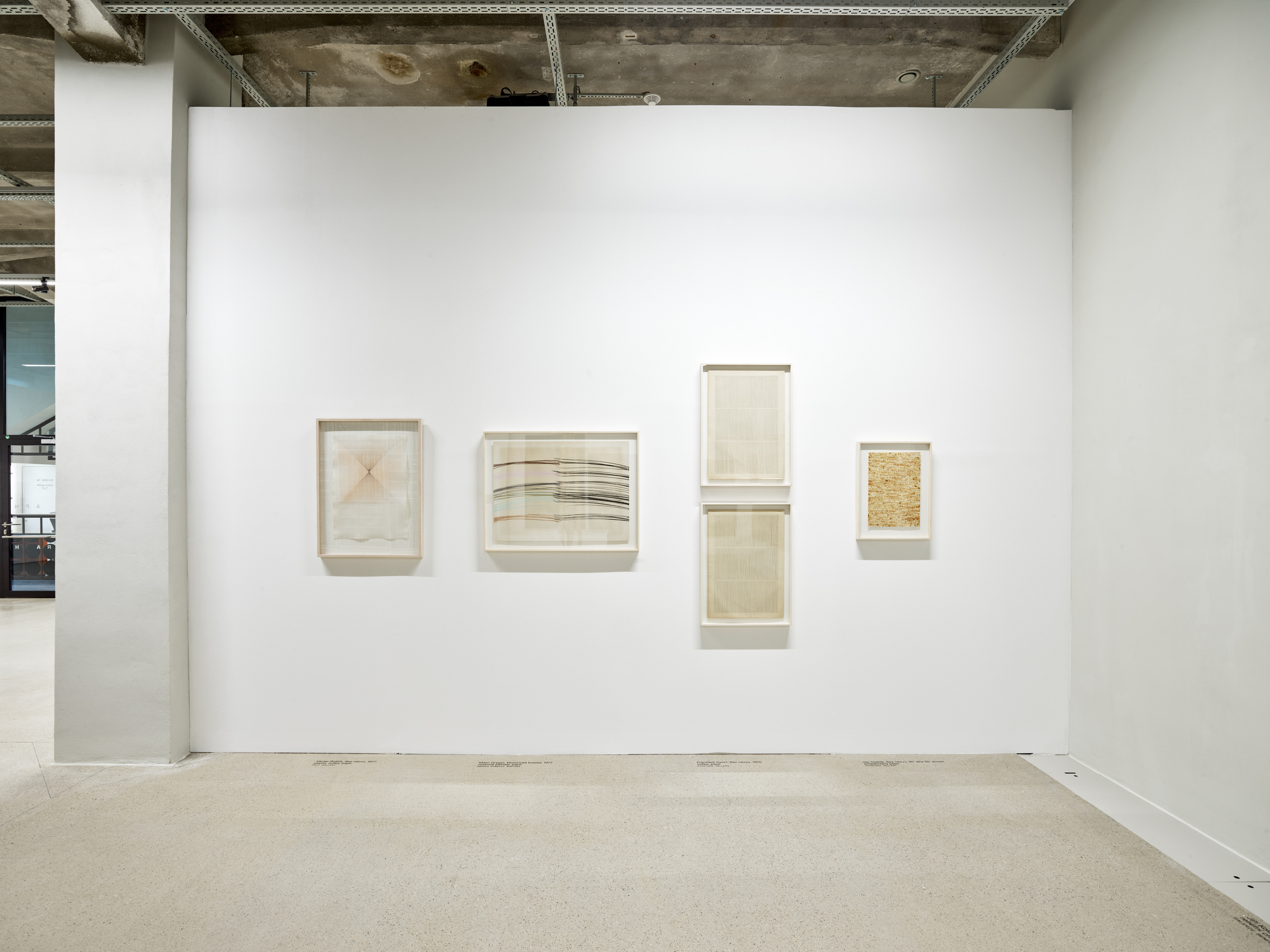
Zmnožování základních elementů patří v umělecké tvorbě k fundamentálním principům, které lidstvo v různých podobách provází od nejranějších projevů umění vůbec. Repetice představuje jeden z konstitutivních způsobů nahlížení světa i umění, který se v různých dobách vynořuje s různou silou a v odlišných intencích – vzpomeňme třeba série vrypů a otisků dlaní na stěnách jeskyní z paleolitu, megalitické stavby vzniklé řazením kamenů v prostoru, které stály v základech samotné architektury, přejímání ikonografických typů ve středověkých náboženských obrazech anebo analýzy fází pohybu u avantgardních umělců. Největší měrou se repetitivní způsoby vyjádření projevují v umění 60. a 70. let 20. století, kdy se v souvislosti s vývojem racionální, počítačové společnosti a částečně i jako určitá forma kompenzování „ne-Řádu“ ve světě staly výraznou charakteristikou jedné z dominantních linií umělecké tvorby 2. poloviny 20. století. V našem prostředí se tyto projevy formovaly především v okruhu umělců z Klubu konkretistů a tzv. Nové citlivosti (a několika dalších skupin a solitérů), jejichž představitelům bylo společné hledání nové univerzální řeči umění, „čistého, jasného a konkrétního“, které vedlo ke vzniku mnoha osobitých koncepcí symbolických struktur, ať už na poli konstruktivních a geometrických tendencí, minimalismu, kinetismu, op artu nebo vizuální poezie.
Z pohledu Gestalt psychologie bychom na repetitivní aspekty v umění mohli nahlížet jako na jeden ze způsobů reakce člověka na jeho přirozenou potřebu svět nějakým způsobem uchopit, strukturovat, fixovat, najít v něm nějaký řád, systém, který mu může pomoci svět/umění (a místo člověka v něm) pochopit. Potřeba repetice tak úzce souvisí s instinktivní potřebou řádu, která lidstvo provází od nejstarších mytologických a filozofických výkladů kosmu a uspořádání světa a zasahuje až do současných vědeckých teorií, marně usilujících o teorii všeho. Opakováním jednotlivých elementů, jako jsou bod, linie nebo nějaký konkrétní motiv či gesto, dochází k významovým posunům – vzniká nová skutečnost, která má sice často podobu nějakého racionalizovaného systému, tím však výčet možností zdaleka nekončí. Odvěké potěšení člověka z opakování, o němž v kontextu umění mluví především Gombrich, se nemusí demonstrovat pouze vznikem nové uspořádanosti. Opakováním můžeme například zdůraznit význam daného prvku, upevnit soudržnost jednotlivin v rámci nějakého celku anebo zvýšit dekorativní účinek. Nebo můžeme sériovým řazením elementy naopak bagatelizovat, znevážit, zesměšnit, učinit je nudnými a nezajímavými. Opakováním můžeme vyjádřit i souslednost času a pohybu nebo zachování kontinuity a potenciálně nekonečné prodlužování tradice. Opakované provádění určitých činností od pradávna souvisí s meditací, duševní harmonií, ale také s rituály, které mohou vést ke změněným stavům vědomí. Je tedy zřejmé, že to, co bychom mohli nazvat repetitivními strategiemi, projevujícími se v široké škále možností a významů, od magických, funkčních, dekorativních až po mocenské, nemůže být vyhrazeno pouze jedné dějinné epoše.
Právě volba repetitivního způsobu vyjadřování jako výchozího hlediska pro koncipování výstavy umožňuje vystoupit ze zacyklení tradičně uvažovaných kategorií, jako jsou systém, struktura, rytmus či organizace autonomního obrazového řádu, jimiž jsou konstruktivní tendence 60. a 70. let poměrně striktně vymezeny, aniž bychom však ztratili Ariadninu nit. Toto východisko dovoluje přenést se nad diskurz historických skupin a tendencí, otevřít se směrem k současnosti i minulosti a poukázat na vztahy mezi konkrétními díly současné mladé a střední generace umělců a některými ikonickými osobnostmi českého umění 2. poloviny 20. století, jež by při respektování tradičních uměleckohistorických kategorií mnohdy vůbec nebyly myslitelné. Určitou drzost takového počínání snad vedle smířlivého názvu výstavy, odkazujícího k neukončenosti uměleckého procesu, ospravedlní také skutečnost, že sebevědomá drzost bývá obvyklým průvodním jevem mladého umění, pohybujícího se svobodně napříč zavedenými kategoriemi.
V tvorbě současných českých a slovenských umělců se repetitivní postupy rozvíjí v množství individuálních projevů souvisejících s širokou škálou postkonceptuálních tendencí. Umělce, artikulující velmi odlišná témata, spojuje kromě repetice snad jen reduktivně-analytický přístup. Toto poněkud vágní, generalizující vymezení ale je třeba uvést, abychom si uvědomili posun od vážných, často veskrze formálních experimentů v tvorbě generace 60. a 70. let, spjatých obvykle právě s filozofickou i matematickou potřebou řádu, k větší lehkosti a svobodomyslnosti některých mladších autorů, jež by bez (post)konceptuální zkušenosti byla stěží možná. Tento posun ve vnímání myslím dobře ilustruje známá historka o absolutně odmítavé reakci Stanislava Kolíbala na klauzurní práci Dominika Langa, kterou Lang provedl v podobě přesné repliky Kolíbalovy sochy ve snaze o přímočaré vyjádření obdivu a respektu.
Výstava si neklade za cíl zmapovat veškeré projevy, které bychom mohli spojit s tak obecným principem světa a umění, jako je opakování. Výběrovou konfrontací současných umělců se starší generací jsme se však pokusili ukázat, že jde o princip nosný, formující, a tedy neprávem opomíjený, jenž nemusí být spojován pouze s prvoplánovou serialitou, s něčím banálním či dekorativním, ale nemusí se omezovat ani na spekulativní hledání abstraktních principů světového řádu. Repetitivní postupy patří k základním strategiím umění, které se mohou demonstrovat nejen ve způsobu práce, ale i ve způsobu uvažování a v přístupu ke světu a umění. V tvorbě současných autorů přitom nabývají někdy vtipně paradoxního, jindy zase meditativního, nebo až obsedantně-katarzního účinku.
Martina Mrázová
The multiplication of basic elements is one of the fundamental principles of artistic practice, accompanying humanity in various forms since the earliest forms of artistic expression. Repetition constitutes one of the essential ways of apprehending both the world and art, emerging at different periods with varying intensity and for different purposes. We might recall the series of incisions and handprints on Palaeolithic cave walls; megalithic structures formed by arranging stones in space, which laid the foundations for architecture itself; the repetition of iconographic types in medieval religious painting; or avant-garde artists' analyses of successive phases of movement.
Repetitive modes of expression became particularly prominent in the art of the 1960s and 1970s. Against the backdrop of an increasingly rationalised, computerised society, and partly as a means of compensating for the perceived absence of order in the world, they became a defining feature of one of the dominant strands of artistic practice in the second half of the twentieth century. In the Czech context, these tendencies developed primarily among artists associated with the Club of Concretists and the so-called New Sensibility, alongside several other groups and independent figures. What united them was a search for a new universal language of art, one that was “pure, clear, and concrete”. This pursuit gave rise to a wealth of distinctive approaches to symbolic structures, encompassing constructive and geometric tendencies, Minimalism, kinetic art, Op Art, and visual poetry.
From the perspective of Gestalt psychology, the repetitive aspects of art may be understood as one response to the human need to comprehend and structure the world, to give it a coherent form and discover within it an order or system through which the world, art, and our place within them might become intelligible. The impulse towards repetition is thus closely related to an instinctive need for order, which has accompanied humanity from the earliest mythological and philosophical accounts of the cosmos and its organisation to contemporary scientific theories in their seemingly endless pursuit of a theory of everything.
Repeating individual elements, whether points, lines, particular motifs, or gestures, brings about shifts in meaning. A new reality emerges, often taking the form of a rationally organised system, although the possibilities extend far beyond this. The age-old pleasure humans derive from repetition, discussed in relation to art particularly by E. H. Gombrich, need not manifest itself solely in the creation of a new order. Repetition can emphasise the significance of a particular element, strengthen the cohesion of individual components within a whole, or enhance a decorative effect. Conversely, serial arrangement can trivialise, undermine, or ridicule elements, rendering them monotonous and uninteresting.
Repetition can also express the passage of time and the succession of movement, or the preservation of continuity and the potentially endless extension of tradition. Since ancient times, the repeated performance of particular actions has been associated with meditation and mental harmony, but also with rituals capable of inducing altered states of consciousness. It is therefore evident that what we might call repetitive strategies, encompassing a broad spectrum of possibilities and meanings—from the magical, functional, and decorative to those associated with power—cannot be confined to a single historical epoch.
Taking repetition as the starting point for the exhibition allows us to move beyond the familiar categories of system, structure, rhythm, and the organisation of an autonomous pictorial order, which have traditionally defined the constructive tendencies of the 1960s and 1970s within relatively strict boundaries, without entirely losing Ariadne's thread. This approach enables us to move beyond the discourse of historical groups and movements, opening up perspectives on both the present and the past. It brings into view relationships between individual works by contemporary artists of the younger and middle generations and those of some of the most prominent figures in Czech art of the second half of the twentieth century—relationships that would often be inconceivable within conventional art-historical classifications.
The audacity of such an undertaking may perhaps be justified not only by the exhibition's conciliatory title, which alludes to the unfinished nature of the artistic process, but also by the fact that self-assured audacity is a familiar characteristic of younger artists, who move freely across established categories.
In the work of contemporary Czech and Slovak artists, repetitive approaches take many individual forms associated with a broad spectrum of post-conceptual tendencies. Beyond repetition itself, perhaps the only common denominator among artists addressing widely divergent themes is a reductive and analytical approach. This admittedly broad and somewhat imprecise characterisation is nevertheless important if we are to recognise the shift from the serious, often predominantly formal experiments of the 1960s and 1970s, generally associated with a philosophical and mathematical desire for order, towards the greater lightness and freedom of some younger artists—qualities that would scarcely have been possible without the conceptual and post-conceptual experience.
This shift in outlook is, I believe, aptly illustrated by the well-known anecdote about Stanislav Kolíbal's unequivocally negative reaction to a student project by Dominik Lang, in which Lang produced an exact replica of one of Kolíbal's sculptures as a direct expression of admiration and respect.
The exhibition does not seek to survey every manifestation of a principle as universal to both the world and art as repetition. Rather, by selectively bringing contemporary artists into dialogue with an older generation, we have sought to demonstrate that repetition is a generative and formative principle that has been unjustly overlooked. It need not be associated solely with superficial seriality or with the banal and decorative, nor must it be confined to speculative attempts to discover abstract principles underlying the order of the world.
Repetitive approaches belong among the fundamental strategies of art, manifesting themselves not only in methods of working but also in ways of thinking and attitudes towards the world and art. In the practices of contemporary artists, they sometimes produce playfully paradoxical effects, while elsewhere becoming meditative or even obsessively cathartic.
Martina Mrázová