Patrik Adamec, Marie Boková, Jakub Brázda, Radim Brož, Michael Jan Bublík, Markéta Donátová, Matyáš Fiala, Jan Hendrych, Anna Holínská, Vojtěch Hrubant, Matouš Lipus, Tomáš Medek, Vojtěch Míča, Luděk Míšek, Tomáš Pavlacký, Markéta Picková, Barbora Procházková, Nicolas Prokop, Tereza Šrámková, Dagmar Šubrtová, Benedikt Tolar, Erika Velická
Bastion U Božích muk, Praha
1. 10. 2026 – 30. 5. 2027
Curated by Martina Mrázová
Supervisor: prof. ak. soch. Vojtěch Míča, head of Studio of Figural Sculpture and Medal of the Academy of Fine Arts in Prague.
Presented by: EUROPEAN HOUSE s.r.o. (BASTION PRAGUE RESTAURANT)
Organised by: Studio of Figural Sculpture and Medal, Academy of Fine Arts in Prague

Erika Velická

Dagmar Šubrtová
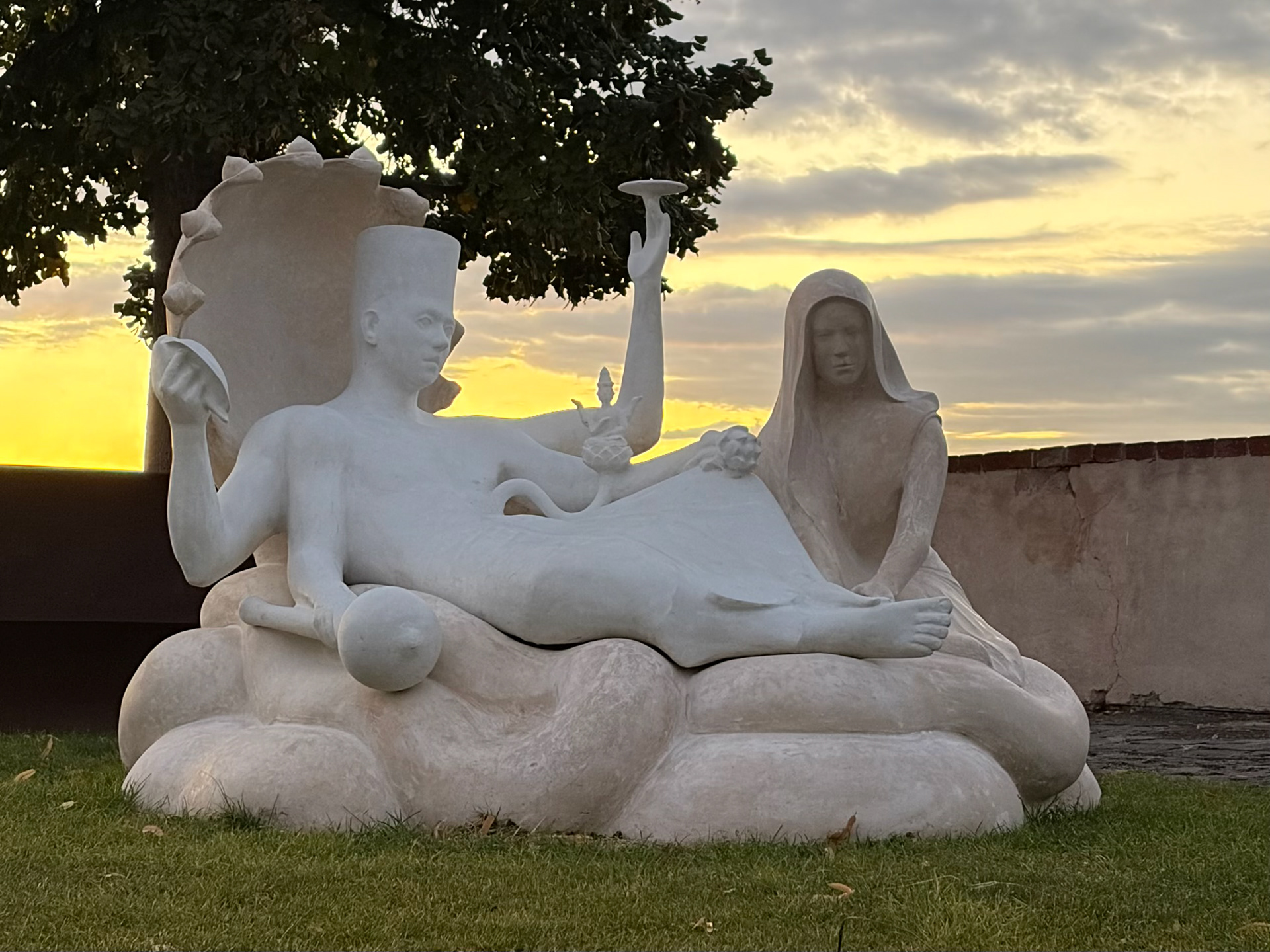
Radim Brož

Jakub Brázda

Vojtěch Míča
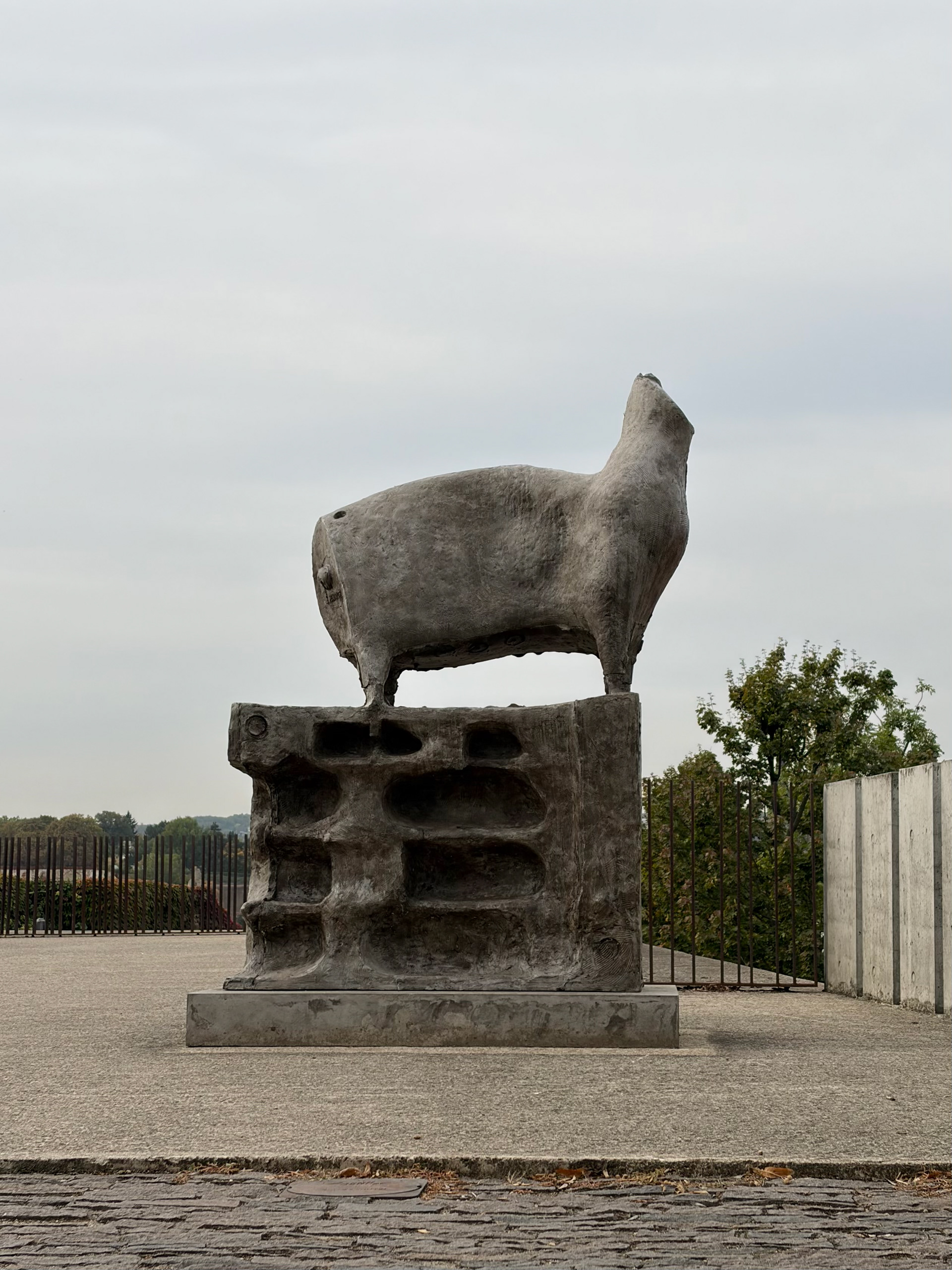
Jan Hendrych

Tomáš Pavlacký

Jakub Brázda
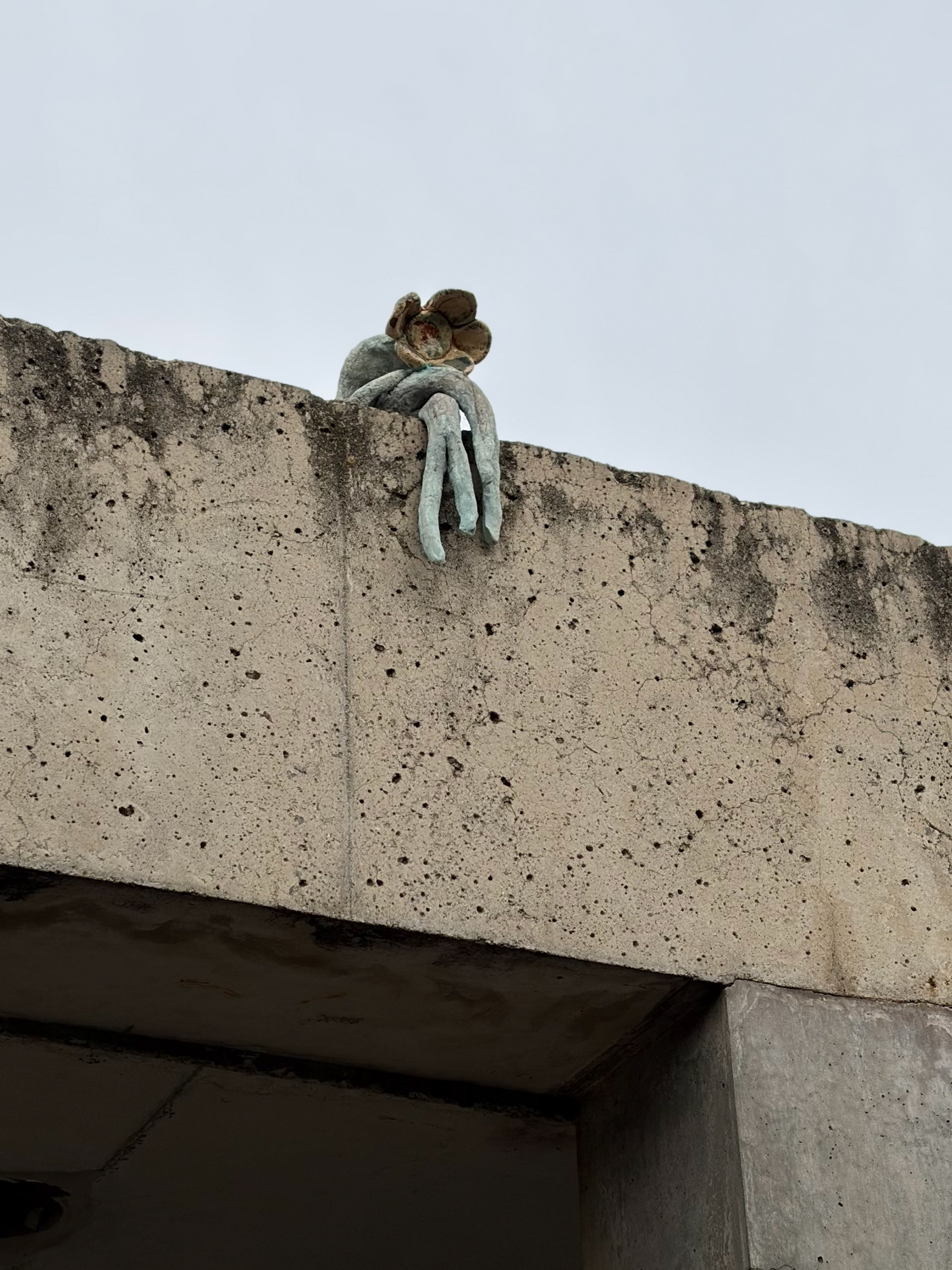
Nicolas Prokop

Matyáš Fiala

Vojtěch Hrubant

Patrik Adamec
Útočiště začíná tam, kde lze alespoň na chvíli nebýt ve střehu. Úplné bezpečí je sotva dosažitelné, bez zázemí však nelze dlouhodobě žít, navazovat vztahy, pečovat, snít ani tvořit. Potřeba ochrany vyrůstá z vědomí vlastní zranitelnosti, zároveň však v sobě nese paradox: to, co nás chrání, nás také vymezuje. Každé útočiště má svou hranici. Otázka zakotvení přitom nabývá zvláštní naléhavosti právě dnes, kdy se jistota domova, fyzického bezpečí i obyvatelného prostředí stále více vzdaluje.
Výstava vychází ze specifické situace Bastionu U Božích muk. Někdejší opevnění oddělovalo chráněný prostor od vnějšího nebezpečí. Jeho prostorová dispozice dodnes spojuje dvě protichůdná gesta: hradby prostor vymezují, nad jejich linií se však otevírá pohled na město, krajinu a horizont nad Nuselským údolím. Vystavená díla napětí této situace dále rozvíjejí. Svým měřítkem a objemem prostor člení a otevírají; vytvářejí schránky, mřížové struktury či rámy, poskytují opěrné body, ale mohou také sevřít, omezit či znejistit.
Shelter zároveň navazuje na předchozí výstavní projekt Oči kůže, který v roce 2025 představil tvorbu pedagogů, studujících a absolventů tří sochařských ateliérů Akademie výtvarných umění v Praze a soustředil se na tělesné a smyslové zakoušení prostoru. Letošní výstava přesouvá pozornost k otázce, jak prostor obýváme, jak nás formuje a co z něj činí místo, které nám může poskytovat oporu. Současně rozšiřuje okruh zastoupených škol: vedle AVU a UMPRUM v Praze jsou zastoupeny také FaVU VUT v Brně, Fakulta umění Ostravské univerzity a Fakulta designu a umění Ladislava Sutnara ZČU v Plzni. Výstava tak propojuje různé generace i podoby současného sochařského uvažování napříč školami a regiony.
Gaston Bachelard v Poetice prostoru chápe obydlí jako prostředí, v němž se materiální uspořádání propojuje s pamětí a imaginací. Dům, hnízdo, ulita či kout nejsou pouze ochrannými formami, ale modely důvěrného vztahu k místu. Právě hnízdo ukazuje, že pocit bezpečí nemusí vyrůstat z pevnosti: může být spojen s něčím fyzicky křehkým a dočasným. Prostor se stává obývaným tehdy, když si k němu prostřednictvím zkušenosti, paměti a představivosti vytváříme důvěrný vztah. Na Bastionu se tato intimní zkušenost přesouvá do otevřeného prostředí vystaveného počasí, času a pohybu diváka. Schránka zde může být propustná, opora dočasná a vztah k místu proměnlivý.
Význam jednotlivých soch spoluutvářejí jejich materiál, měřítko, objem, povrch i způsob vzniku. Dřevo, keramika, kov, beton a nalezené předměty do nich vnášejí vlastní strukturu, čas a stopy předchozí existence; hmota je ubírána, skládána, odlévána či spojována, u některých prací se uplatňuje také převod digitálního modelu do fyzické podoby. Socha tak nezaujímá pouze určité místo, ale svou fyzickou přítomností činí vnímatelným také prostor, který ji obklopuje.
Nejbezprostředněji se vztah těla a prostoru projevuje ve figuraci. Plastika Jana Hendrycha spojuje torzálně pojaté zvířecí tělo s konstrukčně utvářenou bází, která vstupuje přímo do tektonické skladby díla.
U Vojtěcha Míči vyrůstá kompaktní hmota Dekonstruktu – nárožní figury z nepravidelné báze připomínající fragment městského povrchu; její tělesnost je utvářena plasticitou, měřítkem a vertikalitou.
Monumentální plastika BigHead Jakuba Brázdy je vystavěna z masivních dřevěných bloků, jejichž spáry zachovávají konstrukční logiku celku; vertikální orientace zároveň činí ze sochy výrazný orientační bod, díky němuž si divák uvědomuje vlastní měřítko.
V práci Barbory Procházkové se zkušenost obývání přesouvá do intimní roviny každodennosti. Tělo se propojuje s domem i drobnými reliéfními výjevy běžných situací, které se zapisují do povrchu sochy jako vrstvy osobní paměti.
Patrik Adamec převádí sochařské uvažování do čalouněného obrazového formátu, jehož měkkost a krajinné motivy narušuje konstrukční členění rámu či mříže.
Vojtěch Hrubant pracuje s principem pozitivu a negativu: figury redukované na obrysy a gesta vystupují z reliéfní plochy a oscilují mezi kresbou, otiskem a objektem.
Tělesná blízkost nabývá jiné podoby v sousoší Radima Brože. Višnu s Lakšmí spočívají na organicky modelovaném těle kosmického hada; kosmologický obraz stvoření se zde propojuje s představou vzniku sochy i s gestem péče, opory a vzájemnosti.
U Markéty Donátové se zvířecí tělo setkává s architektonickým tvaroslovím. Hranice mezi strážcem a chráněným prostorem se rozostřuje, jako by se architektura ochrany stávala součástí samotného těla.
V díle Grounded Wing Matyáše Fialy se lidská figura téměř rozpouští v kompaktním objemu pískovce. Reliéfní a kresebné motivy se objevují na povrchu kamene a znovu se v něm ztrácejí, takže hranice mezi tělem, obrazem a materiálem zůstává neustálená.
U Michaela Jana Bublíka se Mlčenlivá strážkyně vynořuje z masivní báze a její tělo místy přechází do téměř organické hmoty. Rozrušený povrch uchovává stopy vzniku a udržuje formu v napětí mezi ustáleností a proměnou.
V dalších pracích se otázka obývání otevírá širším vztahům člověka k více-než-lidskému prostředí. Krajina se ukazuje jako sdílené prostředí, v němž se lidské zásahy prolínají s procesy, které nelze zcela řídit.
Anna Holínská obrací pozornost k materiální historii a časovosti kamene. Vertikála složená ze tří bloků vznikla z materiálu někdejší stavby, který měl být rozdrcen na štěrk, zatímco v práci AHOJ se do trvalosti kamene zapisuje prchavost každodenního gesta.
Kovové struktury Dagmar Šubrtové, vytvořené z fragmentů průmyslové infrastruktury, připomínají suché keře či stromky. Technický původ materiálu přitom zůstává čitelný i v rostlinné podobě objektů.
Marie Boková vychází z motivu přežívání starých ovocných odrůd v krajině někdejšího pohraničního osídlení. V keramických reliéfech se morfologie lidského těla prolíná se stromovými formami a motiv roubování získává tělesný rozměr. Místo řezu a spojení zde není zahlazeno; právě ono se stává nositelem významu předávání, péče a kontinuity krajiny.
Tereza Šrámková zasazuje svou sochu přímo do hustého porostu popínavé vegetace, která prorůstá architekturou Bastionu a místy rozvolňuje její obrysy. Figura se tak ocitá v prostředí, s jehož organickou strukturou postupně splývá.
Nicolas Prokop v souboru Molded Gardener modeluje drobné glazované bytosti, jejichž květní morfologie se propojuje s antropomorfními rysy. Jejich nejednoznačná tělesnost narušuje jasné dělení mezi člověkem a rostlinou a obrací pozornost k prostředí jako síti vzájemných závislostí.
Drobný objekt v podobě ptačího krmítka Matouše Lipuse, kombinující větve s betonovými odlitky stromové kůry, vstupuje přímo do prostředí obývaného a spoluutvářeného dalšími formami života. Zároveň otevírá otázku, jak se může jednotlivec na utváření prostředí podílet nejen jeho zatěžováním, ale také péčí.
U Tomáše Medka a Tomáše Pavlackého se přírodní formy a procesy promítají přímo do geometrické a konstrukční stavby sochařského tvaru. Medkův Rodos nahrazuje plný objem několika do sebe vloženými ocelovými strukturami, jejichž lineární síť zpřístupňuje nitro sochy a nechává okolní prostor prostupovat jejím objemem. Pavlacký skládá opakovaný kónický modul do štíhlé vertikály připomínající stéblo, v níž se geometrický princip přibližuje procesu růstu.
U Luďka Míška se vztah hmoty a prostoru soustřeďuje do kompaktního litinového bloku, jehož pravoúhlý objem na bočních stranách narušují zaoblení a geometrické útvary založené na vztahu kruhu a čtverce. Drobný podřez při základně zároveň narušuje jeho plné dosednutí na zem a vytváří napětí mezi skutečnou tíží a zdánlivým odpoutáním.
Technický artefakt se stává východiskem prací Benedikta Tolara a Markéty Pickové. U Tolara se automobilová střecha osamostatňuje jako sochařský objekt. Probroušené vrstvy laku a samovolně vzniklé praskliny vytvářejí na jejím povrchu nepravidelnou, téměř organickou kresbu. Picková naopak automobil monumentalizuje: Karin, inspirovaná experimentálním vozem Citroën Karin z roku 1980, povyšuje automobil na pomník a s ironickým odstupem tematizuje jeho roli jako symbolu statusu a moci i jeho zapojení do ekonomických vztahů spjatých s ropným průmyslem.
V monumentální práci 222.3 Eriky Velické se sochařský objem otevírá dovnitř i vůči okolnímu prostoru. Kónická betonová skořepina vymezuje dutinu, ale neuzavírá ji; široké ústí dovoluje pohledu pronikat dovnitř a současně do nitra sochy vtahuje okolní horizont.
Bastion tak na čas osidluje heterogenní společenství figur, schránek, konstrukcí, fragmentů, reliktů a organických forem. Nesjednocuje je společný styl ani jediná představa bezpečí. Zkušenost opory zde vzniká pokaždé jinak – v tíze hmoty, v dutině, gestu, konstrukci, blízkosti druhého těla i ve vztahu k prostředí sdílenému s jinými formami života. Sochy přitom zůstávají vystaveny počasí, času, pohledu i proměnám okolí. Útočiště se zde proto neukazuje jako protiklad exponovanosti, ale jako její dočasně obyvatelná forma.
Martina Mrázová
Shelter begins where we can, at least for a moment, let down our guard. Complete safety is scarcely attainable, yet without a sense of security and belonging, it is impossible to sustain a life, form relationships, care for others, dream, or create. The need for protection arises from an awareness of our own vulnerability, but it also carries a paradox: what protects us also sets us apart. Every shelter has its limits. The question of finding a place to belong takes on particular urgency today, as the security of a home, physical safety, and a habitable environment become increasingly elusive.
The exhibition takes its point of departure from the particular setting of Bastion U Božích muk in Prague. Once a fortification, the site separated a protected space from external threats. Its spatial configuration still brings together two opposing gestures: the walls delineate an enclosed area, yet above them the view opens towards the city, the landscape, and the horizon beyond the Nusle Valley. The works on display further explore this tension. Through their scale and volume, they both divide and open up the space; they form enclosures, grids, and frames, offer points of support, but can also confine, restrict, or unsettle.
Shelter also follows on from the previous exhibition Oči kůže (The Eyes of the Skin), which in 2025 presented works by teachers, students, and graduates of three sculpture studios at the Academy of Fine Arts in Prague, focusing on the embodied and sensory experience of space. This year's exhibition shifts attention towards how we inhabit space, how it shapes us, and what allows it to become a place of support. It also broadens the range of participating art schools: alongside the Academy of Fine Arts and the Academy of Arts, Architecture and Design in Prague, the exhibition includes the Faculty of Fine Arts at Brno University of Technology, the Faculty of Arts at the University of Ostrava, and the Ladislav Sutnar Faculty of Design and Art at the University of West Bohemia in Pilsen. The exhibition thus brings together different generations and approaches to contemporary sculpture across institutions and regions.
In The Poetics of Space, Gaston Bachelard understands the dwelling as an environment in which material arrangements intertwine with memory and imagination. The house, the nest, the shell, and the corner are not merely protective forms but models of an intimate relationship with place. The nest, in particular, demonstrates that a sense of safety need not arise from solidity: it may be associated with something physically fragile and temporary. Space becomes inhabited when, through experience, memory, and imagination, we develop an intimate connection with it. At the Bastion, this intimate experience moves into an open setting exposed to weather, time, and the movements of visitors. An enclosure may be permeable, support may be temporary, and our relationship with a place may remain in flux.
The meaning of each sculpture is shaped by its material, scale, volume, surface, and process of making. Wood, ceramics, metal, concrete, and found objects bring their own structures, histories, and traces of previous existence into the works. Material is removed, assembled, cast, or joined; in some cases, digital models are translated into physical form. Sculpture thus does not merely occupy a particular site: through its physical presence, it also makes the surrounding space perceptible.
The relationship between body and space finds its most immediate expression in figurative sculpture. Jan Hendrych's work combines a fragmentary animal body with a structurally articulated base that becomes integral to the sculpture's tectonic composition.
In Vojtěch Míča's Dekonstrukt – nárožní figura (Deconstruct – Corner Figure), a compact mass emerges from an irregular base resembling a fragment of an urban surface. Its corporeality is shaped through volume, scale, and verticality.
Jakub Brázda's monumental BigHead is constructed from massive wooden blocks, whose joints preserve the structural logic of the whole. Its vertical orientation also makes the sculpture a prominent point of reference, making viewers conscious of their own scale.
In Barbora Procházková's work, the experience of inhabiting space shifts towards the intimate realm of everyday life. The body becomes intertwined with a house and small relief scenes of ordinary situations, inscribed into the sculpture's surface like layers of personal memory.
Patrik Adamec translates sculptural thinking into an upholstered pictorial format, in which the softness of the material and landscape motifs are interrupted by the structural divisions of a frame or grid.
Vojtěch Hrubant works with the relationship between positive and negative forms. Figures reduced to outlines and gestures emerge from a relief surface, oscillating between drawing, imprint, and object.
Bodily proximity takes on another form in Radim Brož's sculptural group. Vishnu and Lakshmi rest upon the organically modelled body of the cosmic serpent; the cosmological image of creation is intertwined with the emergence of sculptural form and gestures of care, support, and reciprocity.
In Markéta Donátová's work, the animal body encounters architectural forms. The boundary between guardian and protected space becomes blurred, as though the architecture of protection were becoming part of the body itself.
In Matyáš Fiala's Grounded Wing, the human figure almost dissolves into the compact mass of sandstone. Relief and drawn motifs appear on the stone's surface before disappearing into it again, leaving the boundary between body, image, and material unresolved.
In Michael Jan Bublík's Silent Guardian, the figure emerges from a massive base, its body at times merging into an almost organic mass. The disrupted surface retains traces of its making, holding the form in tension between stability and transformation.
Other works extend the question of inhabitation towards the broader relationships between humans and the more-than-human environment. The landscape emerges as a shared space in which human interventions intersect with processes that cannot be fully controlled.
Anna Holínská draws attention to the material history and temporality of stone. A vertical structure composed of three blocks was made from the remains of a former building that had been destined to be crushed into gravel, while in HELLO, the fleeting nature of an everyday gesture is inscribed into the permanence of stone.
Dagmar Šubrtová's metal structures, made from fragments of industrial infrastructure, resemble dry shrubs or small trees. The material's technical origins remain legible even as the objects take on plant-like forms.
Marie Boková draws on the survival of old fruit varieties in landscapes once inhabited by borderland communities. In her ceramic reliefs, the morphology of the human body merges with arboreal forms, while the motif of grafting acquires a corporeal dimension. The site of cutting and joining is not concealed; instead, it becomes a bearer of meanings associated with transmission, care, and the continuity of the landscape.
Tereza Šrámková places her sculpture directly within dense climbing vegetation, which grows through the Bastion's architecture and gradually loosens its outlines. The figure thus finds itself in an environment whose organic structure it gradually becomes part of.
In the series Molded Gardener, Nicolas Prokop models small glazed beings whose floral morphology combines with anthropomorphic features. Their ambiguous corporeality unsettles the distinction between human and plant, directing attention towards the environment as a network of interdependencies.
Matouš Lipus's small bird-feeder-like object, combining branches with concrete casts of tree bark, enters directly into an environment inhabited and co-created by other forms of life. It also raises the question of how an individual might contribute to shaping an environment not only through their impact on it but also through care.
In the works of Tomáš Medek and Tomáš Pavlacký, natural forms and processes are incorporated directly into the geometric and structural organisation of sculptural form. Medek's Rodos replaces solid volume with several nested steel structures, whose linear network makes the sculpture's interior visible and allows the surrounding space to permeate its volume. Pavlacký assembles repeated conical modules into a slender vertical form reminiscent of a stalk, in which geometric structure approaches the process of growth.
In Luděk Míšek's work, the relationship between matter and space is concentrated in a compact cast-iron block. Its rectangular volume is interrupted along the sides by rounded sections and geometric forms based on the relationship between circle and square. A slight undercut at the base also disrupts its apparent full contact with the ground, creating tension between actual weight and the impression of detachment.
Technical artefacts provide the starting point for works by Benedikt Tolar and Markéta Picková. In Tolar's work, a car roof becomes an autonomous sculptural object. Layers of paint exposed through grinding and spontaneously formed cracks create an irregular, almost organic pattern across its surface. Picková, by contrast, monumentalises the automobile. Karin, inspired by the experimental 1980 Citroën Karin concept car, elevates the vehicle to the status of a monument and, with ironic distance, addresses its role as a symbol of status and power, as well as its involvement in economic relationships tied to the oil industry.
In Erika Velická's monumental work 222.3, sculptural volume opens both inward and towards the surrounding space. The conical concrete shell defines a cavity without sealing it off; its wide opening allows the gaze to penetrate the interior while drawing the surrounding horizon into the sculpture.
For a time, the Bastion is inhabited by a heterogeneous community of figures, enclosures, structures, fragments, remnants, and organic forms. They are united neither by a common style nor by a single idea of safety. The experience of support arises differently in each instance: through the weight of matter, a hollow space, a gesture, a structure, the proximity of another body, or a relationship with an environment shared with other forms of life. At the same time, the sculptures remain exposed to weather, time, the viewer's gaze, and changes in their surroundings. Shelter therefore emerges not as the opposite of exposure, but as a temporarily inhabitable form of it.
Martina Mrázová