Břetislav Malý
Galerie U Betlémské kaple, Prague
20. 3. – 21. 4. 2024
Curated by Martina Mrázová
Photo Šimon Roubal

Když mluvíme o obrazu, máme obvykle na mysli plošný objekt zavěšený na stěně, který sestává z plátna pojednaného barvou a upevněného na rámu. Co ale vlastně vidíme, když se díváme na obraz? Vzpomeňme si, jak v galeriích před obrazy často hledáme vhodný úhel, abychom malbu mezi světelnými odlesky aspoň částečně zahlédli. Víme, že barvy na obrazu vnímáme díky jejich schopnosti pohlcovat a odrážet paprsky světla o různých vlnových délkách. Odražené světlo ale zároveň vytváří určitou bariéru efemérních odlesků, které se proměňují s každou změnou světelných a dalších podmínek. Nevnímáme tedy místo obrazu samotného spíš jakýsi vizuální smog, který víceméně ulpívá na povrchu a brání nám proniknout k matérií obrazu jako takového?
Úvahy nad hmotnou podstatou obrazu a nad možnostmi naší percepce přivedly Břetislava Malého ke koncepci obrazu, která zásadně proměňuje tradiční malířská schémata. Malého nezajímá iluzivnost malířské plochy, nechce vytvářet ilustrace příběhů nebo spekulativní reflexe vnějších či vnitřních skutečností, jež se nacházejí kdesi mimo obraz. Podobně jako Donald Judd, Frank Stella a další stoupenci minimalismu a analyticko-konceptuální malby, i Břetislav Malý považuje za prvořadý objekt obrazu a náš vztah k němu. Pozornost proto obrací přímo k obrazu, k jeho fakticitě, materiálu a konstrukci. Promýšlí a zostřuje různé možnosti a konfigurace strukturálních vztahů uvnitř obrazu, které z daností malířského média inherentně vyplývají.
Pro výstavu Soft Steel je určující inspirace fenoménem polarizace, optickým jevem založeným na částečné eliminaci odraženého světla, které nám umožňuje zpřesnit to, co vidíme. Například při běžném pohledu na hladinu jezera vidíme plochu vodní hladiny plnou světelných odrazů, zatímco s polarizačními brýlemi najednou vidíme skutečnou masu vody i s její barvou a s různými detaily pod hladinou. Právě princip změny lomu světla, který využívá polarizace, vedl Břetislava Malého k promýšlení obrazových situací, v nichž staví elementární aspekty malby do nových pozic a vztahů.
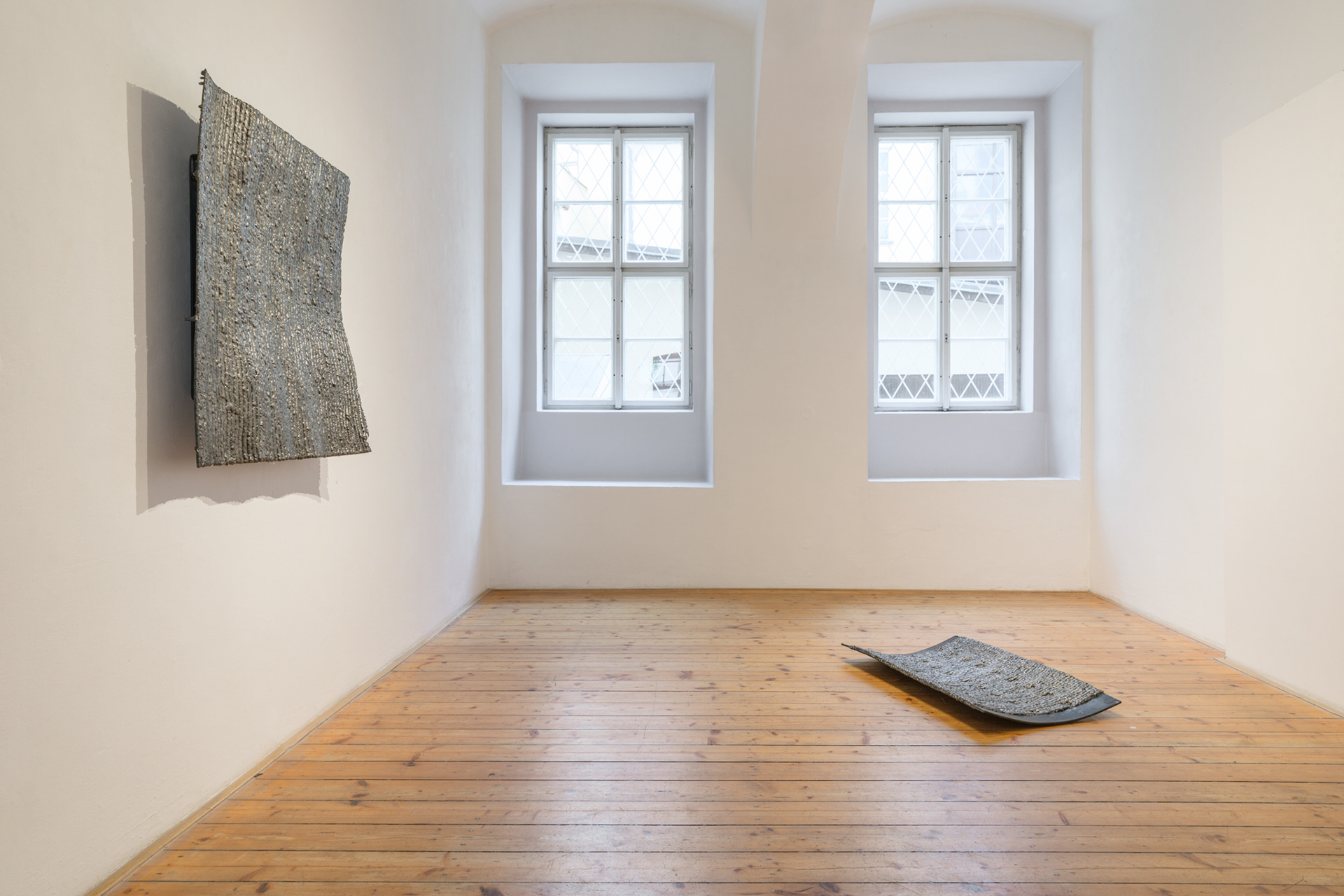
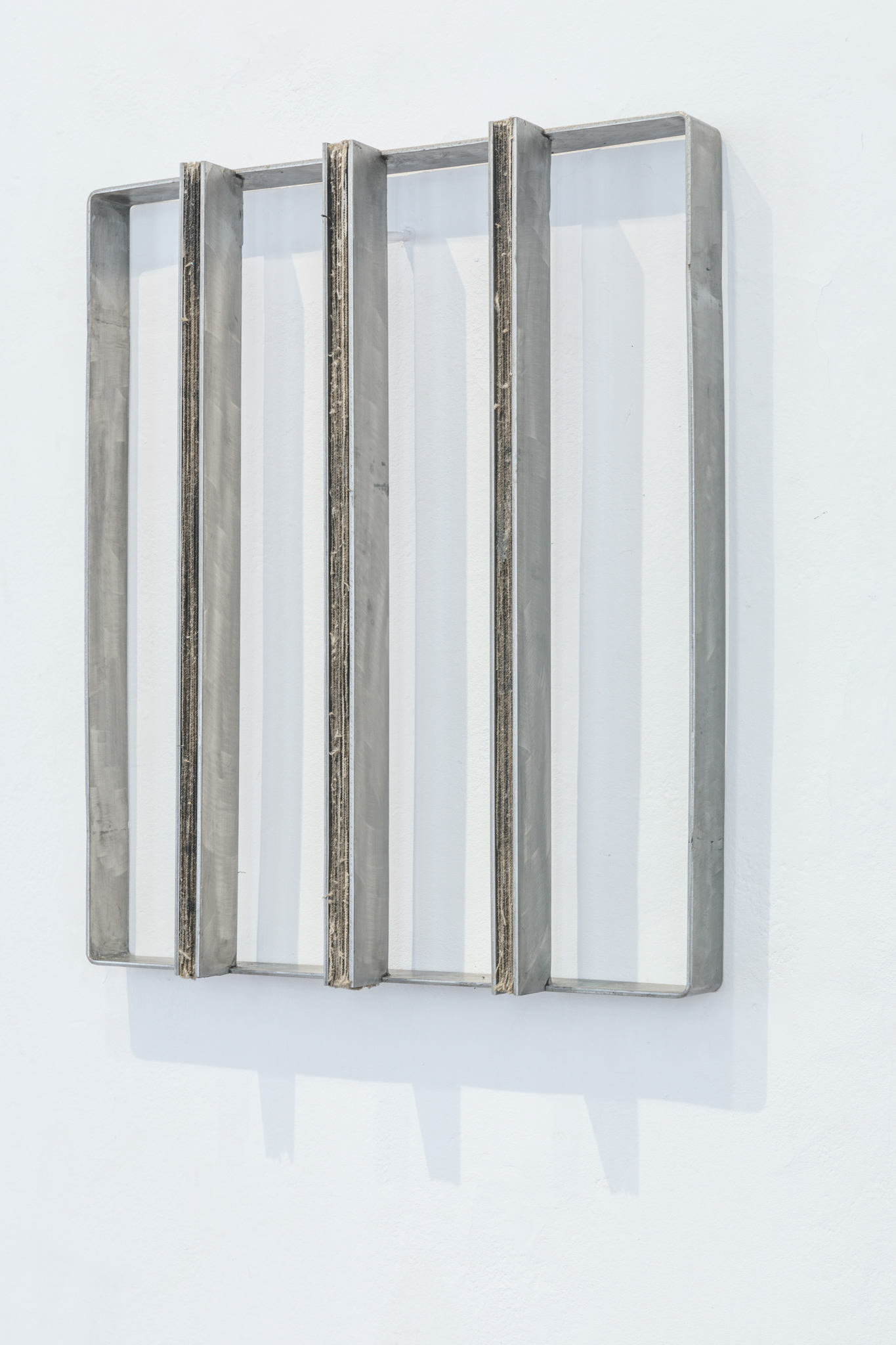
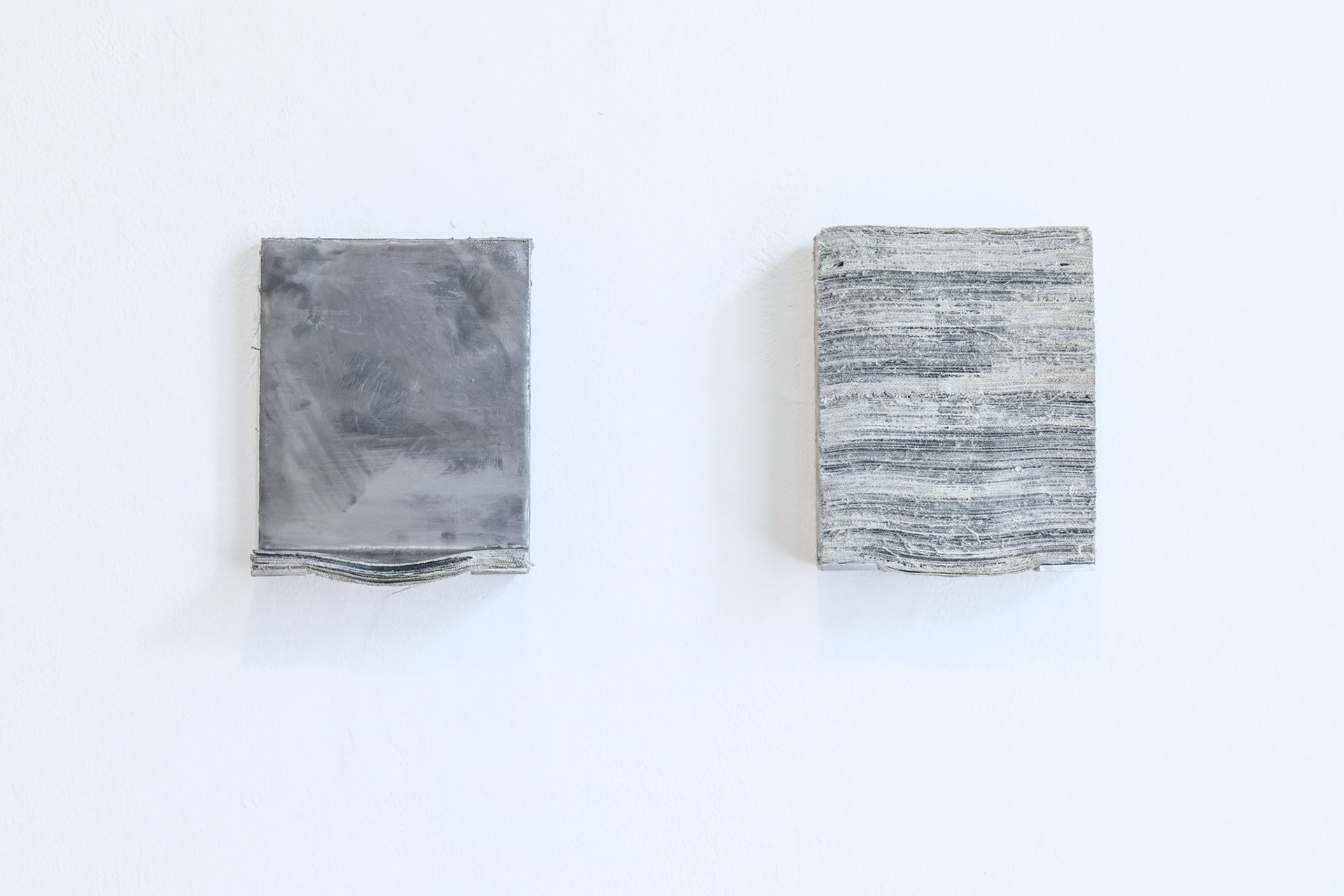
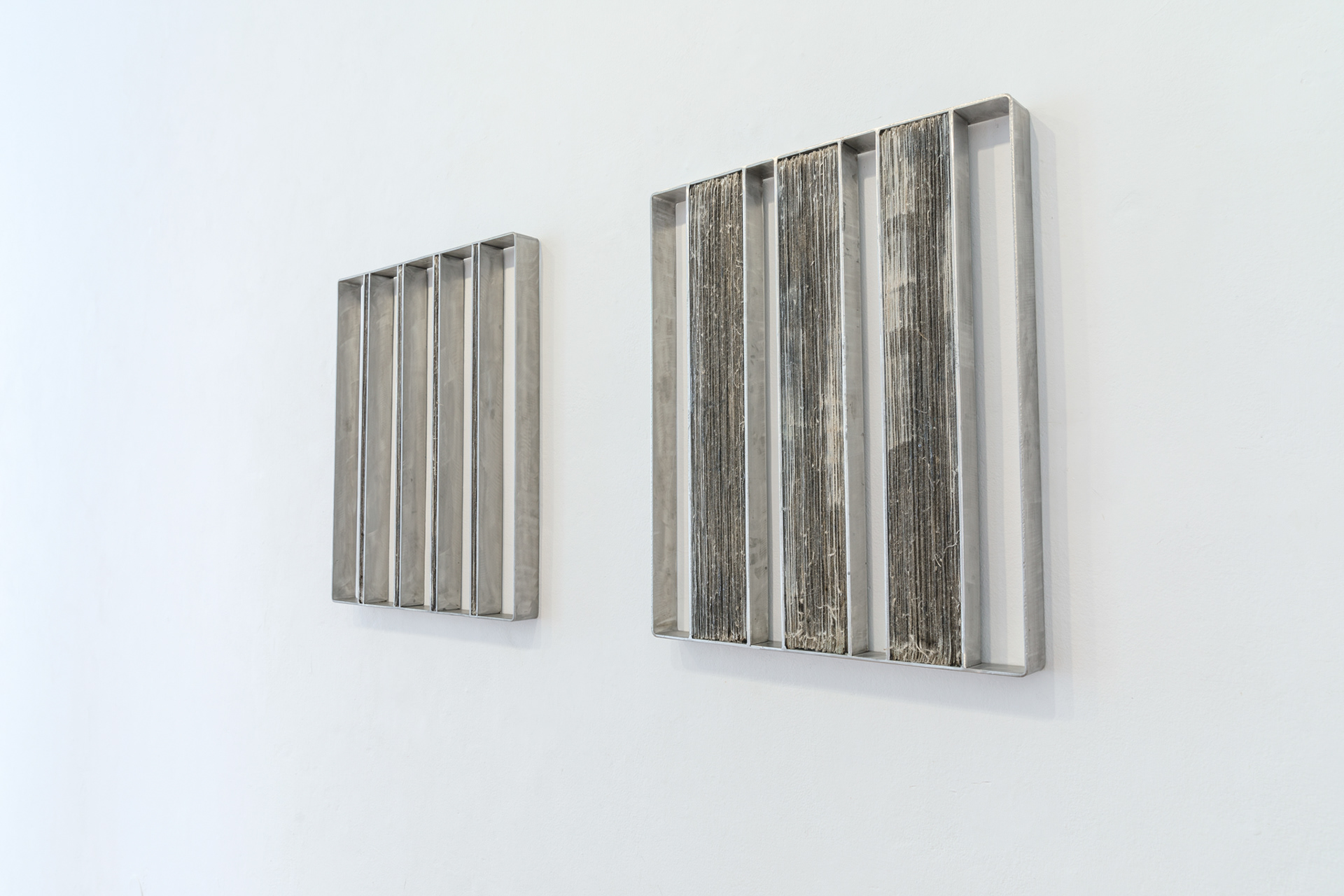
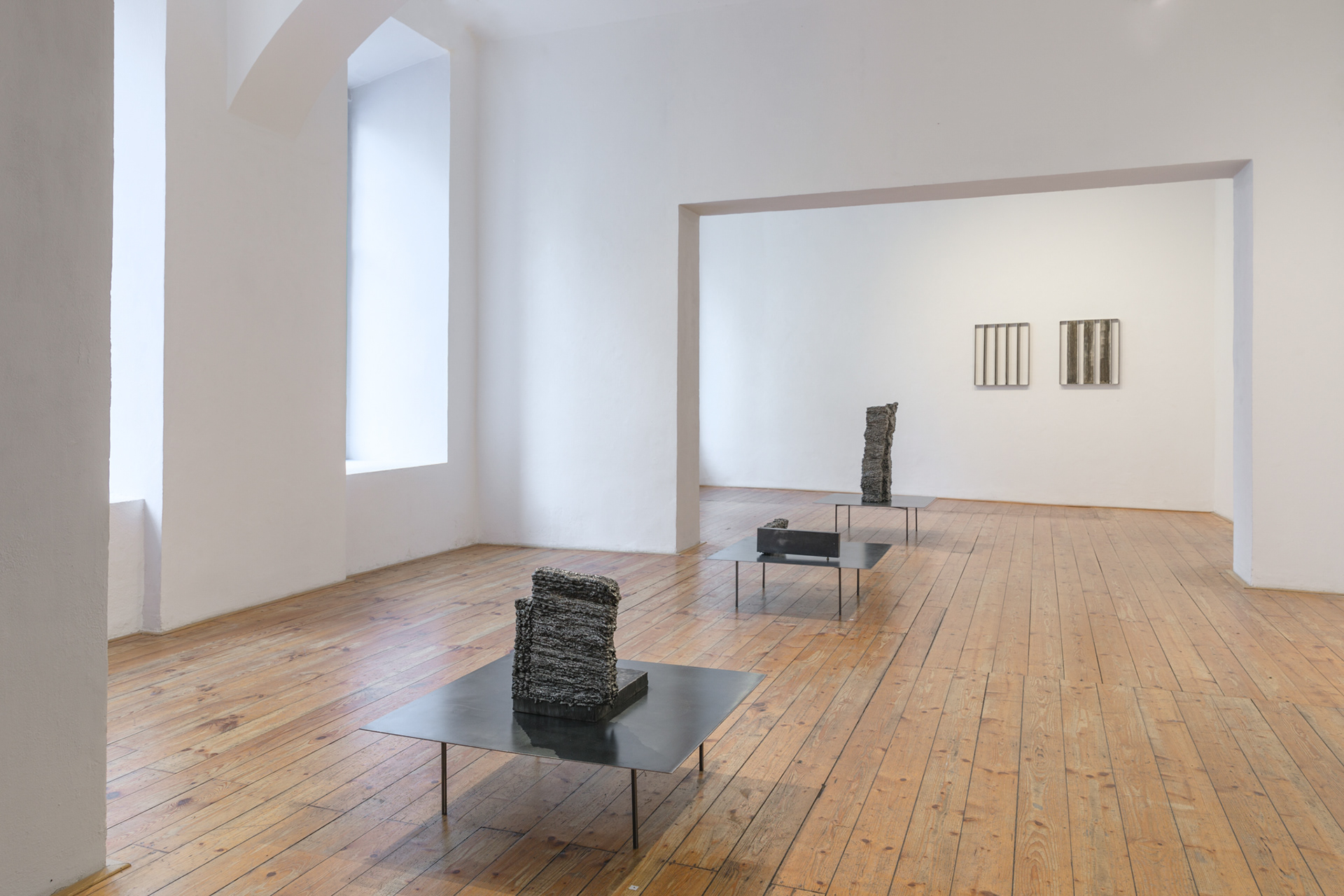
Obrazové objekty Břetislava Malého můžeme chápat jako heterotropní situace, v nichž je plocha obrazu – tradiční pole vizuálního zájmu – radikálně vychýlena ze své osy. Zrak pozorovatele nemůže ulpívat na povrchu obrazu, neboť zde žádná taková frontální plocha není. Přísné a zároveň subtilní ocelové konstrukce pevně svírají na sebe navrstvená plátna, která jsou propojená epoxidovou pryskyřicí do jediného kompozitního celku. Obrazové pole je zde sice zachované, ale zcela minimalizované a spíše tušené – z malířské plochy se divákovi ukazuje pouze profil přírodních pláten, jejichž struktura ostře kontrastuje s pevností ocelového rámu. Jelikož malířskou plochu nevidíme v míře, jak jsme zvyklí, máme možná pocit, že zde není ani obraz. Přestává ale obraz existovat ve chvíli, kdy je našim očím malířská plocha skrytá? Nebo můžeme obraz vytvořit i jako komplexní prostorovou situaci na pomezí obrazu a objektu, která na iluzivní efektní plochu může i rezignovat?
Břetislav Malý nás ujišťuje, že mu jde stále především o obraz. Proto volí v podstatě konvenční portrétní formáty a zachovává i všechny elementární formální aspekty malby včetně barvy a světla. Malířskou plochu sice nevidíme, přesto jsou jednotlivá plátna pojednaná grafitovým práškem, základním přírodním prvkem v barvě neutrální šedi a s výrazným kovovým leskem.
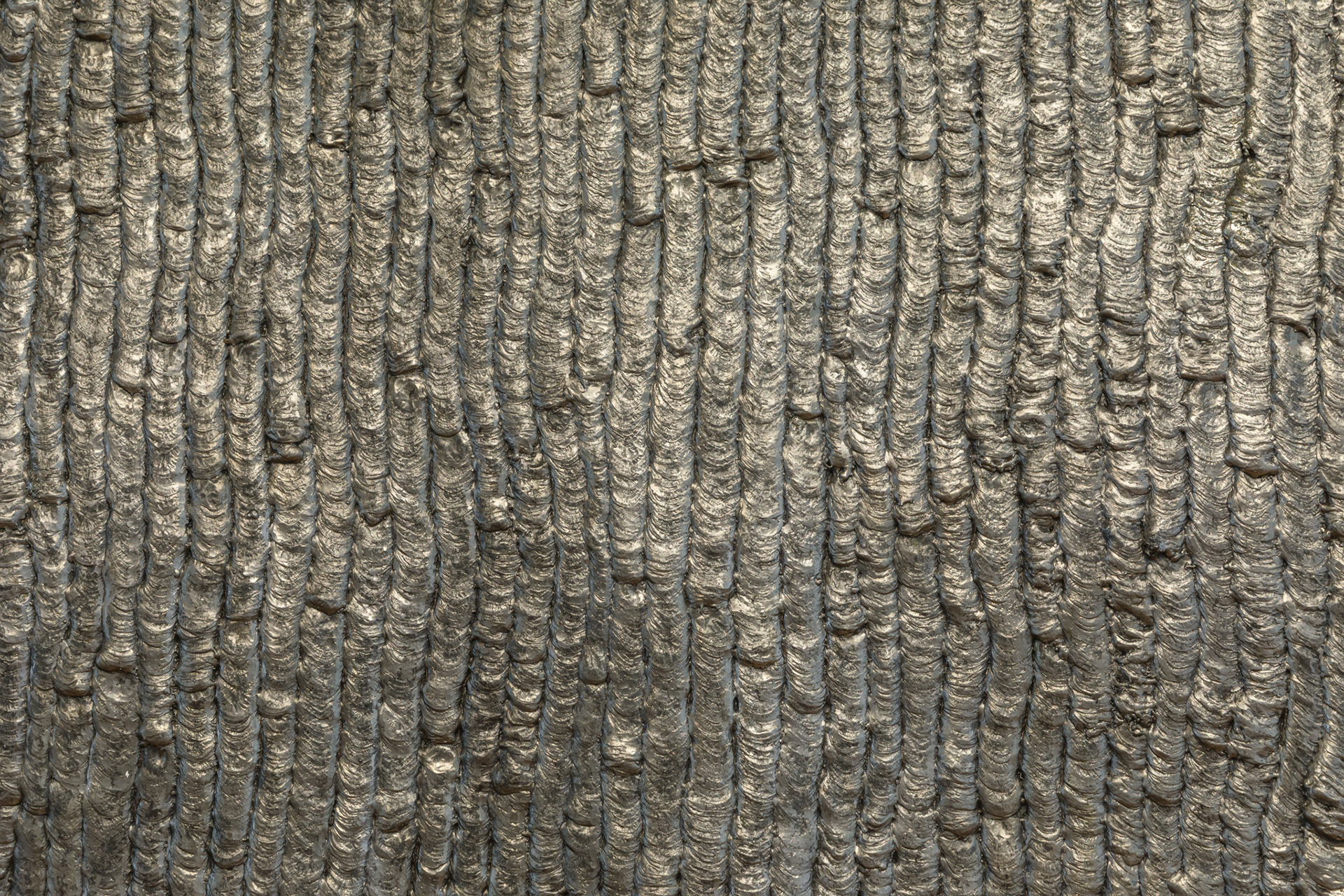
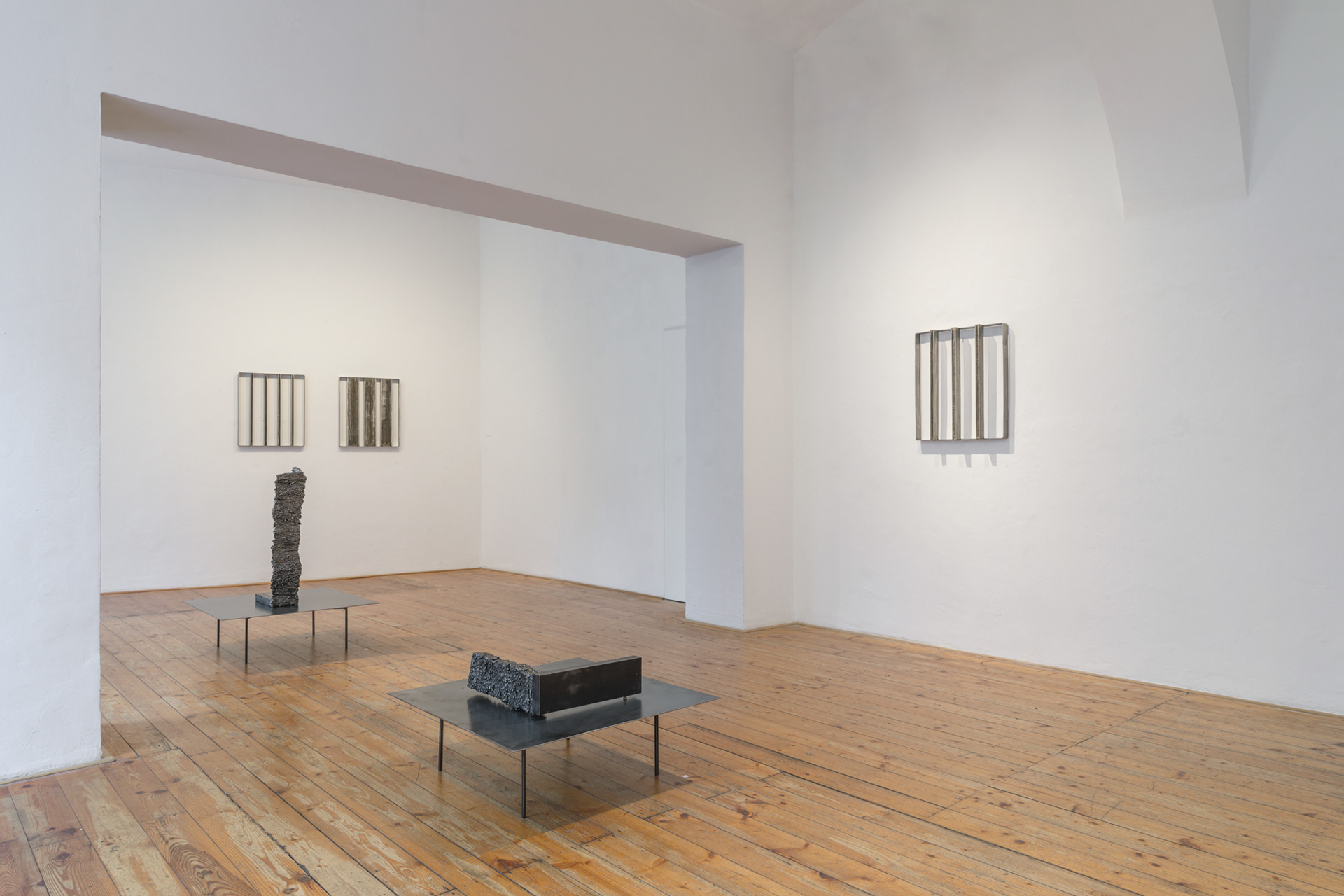
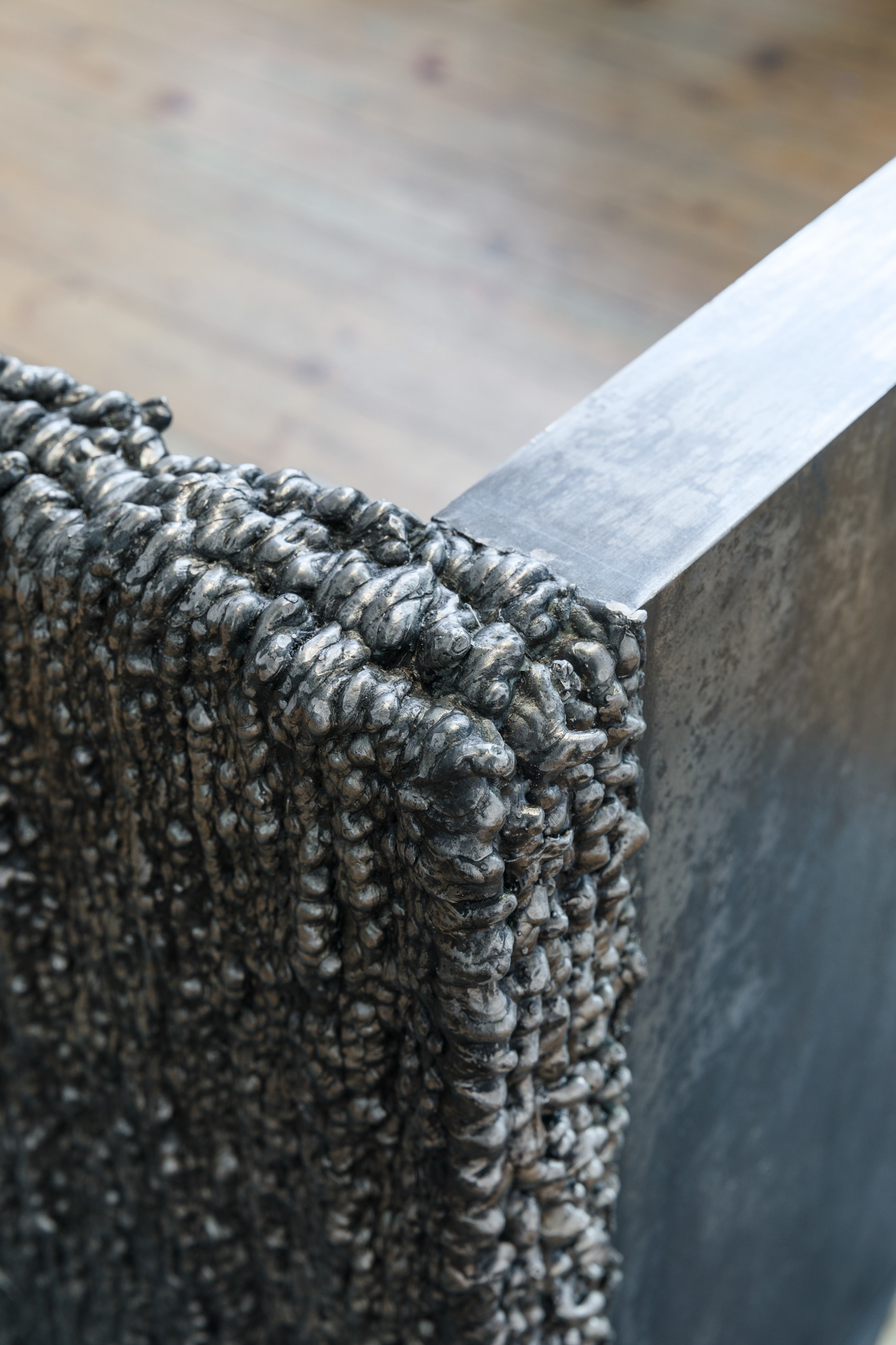
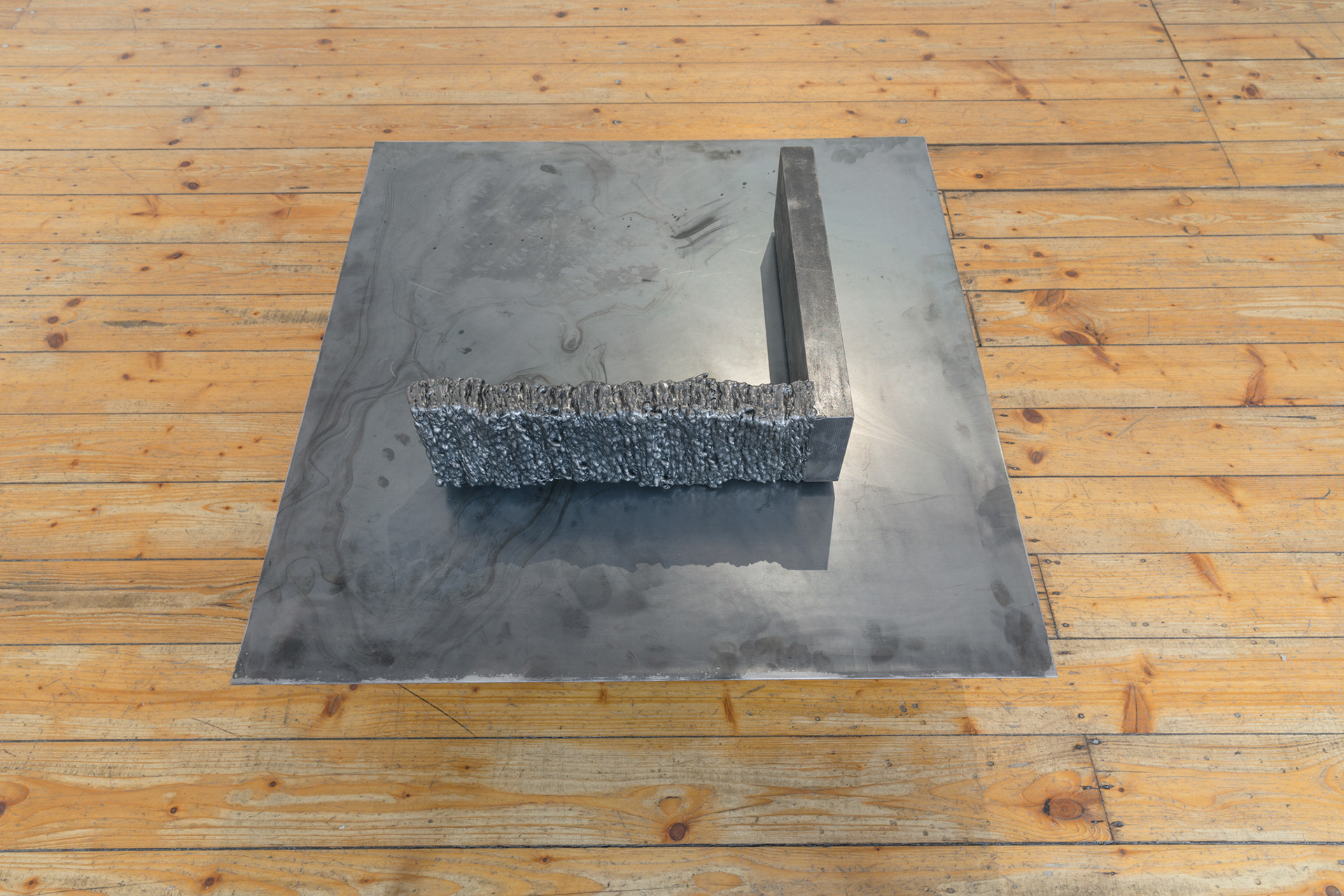
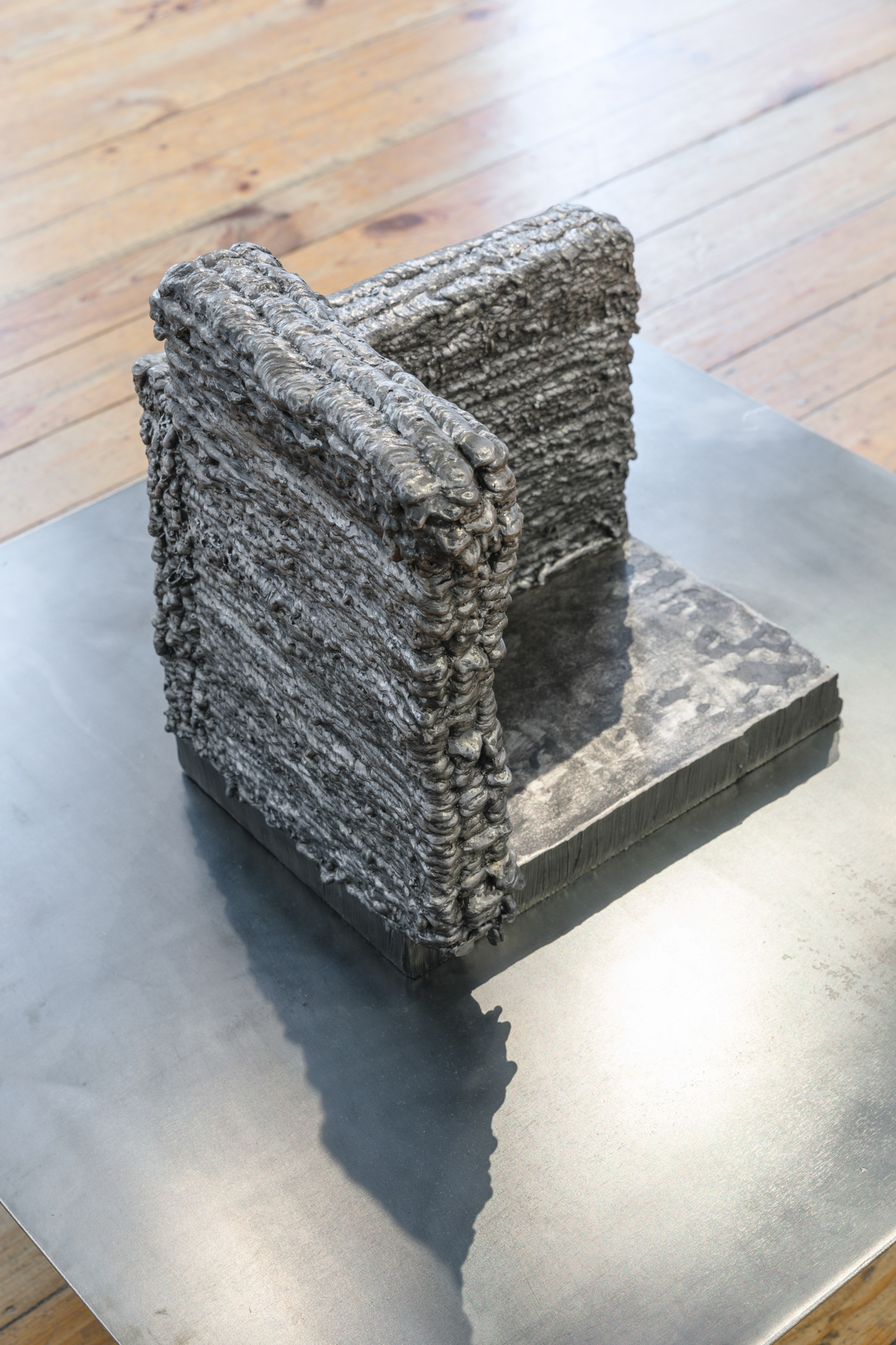
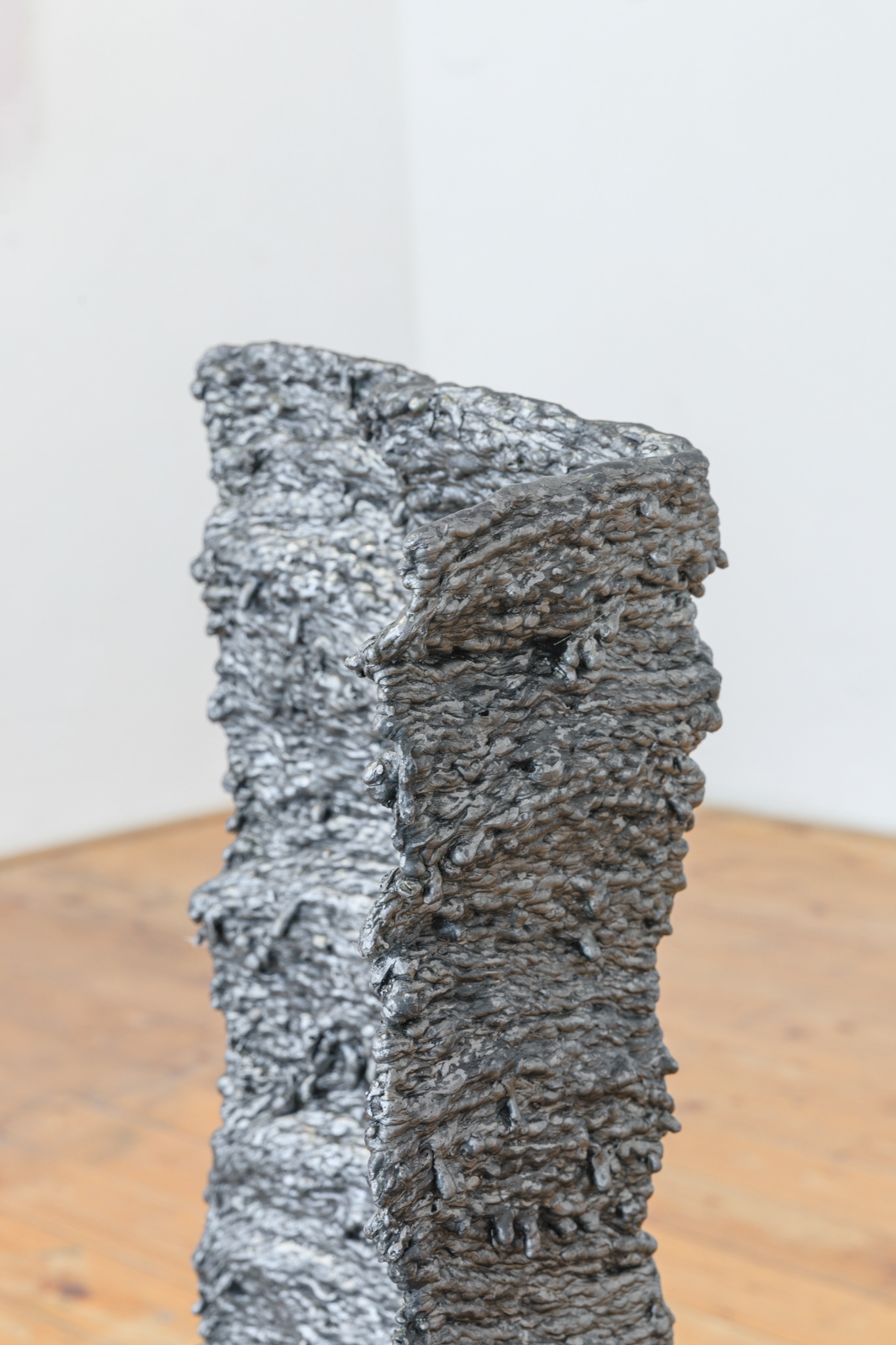
Malířskou plochu tedy Břetislav Malý činí pouze jednou z částí obrazového objektu a místo ní zvýznamňuje strukturální vztahy v obrazu. Ve snaze proniknout k materiálové podstatě obrazu provádí ostrou autopsii, během níž se mu otevírají nové možnosti vytváření obrazu bez závislosti na malířské ploše. Kompoziční malířská schémata, která fungují v klasické malbě jak iluzivní, tak i abstraktní, jsou v dílech Břetislava Malého konstruována v oproštěné, „čisté“ formě. Proces otevírání vnitřní struktury obrazu nakonec nabývá podoby plně trojrozměrných ocelových objektů, jakýchsi prostorových dialogů hutných homogenních struktur z navařovaných linií oceli, které v kontrastu se striktními pásovinami z téhož materiálu působí nečekaně měkce, jako by pozorovateli nepřístupnou plochu otevíraly.
Martina Mrázová
When we speak of a painting, we usually imagine a flat object hanging on a wall: a canvas stretched over a frame and covered with paint. But what do we actually see when we look at a painting? Consider how often we find ourselves searching for the right angle in a gallery, hoping to catch at least a partial glimpse of the painted surface through the reflections of light. We know that we perceive the colours of a painting because pigments absorb and reflect light at different wavelengths. Yet reflected light also creates a shifting veil of fleeting highlights, constantly altered by changing light and other conditions. Rather than seeing the painting itself, might we be confronted with a kind of visual smog that clings to its surface, preventing us from penetrating to the material substance of the painting?
Reflections on the material nature of painting and the possibilities of perception led Břetislav Malý to develop a conception of painting that fundamentally challenges traditional pictorial conventions. Malý is not interested in the illusionistic potential of the painted surface. He does not seek to illustrate narratives or offer speculative reflections on external or inner realities located somewhere beyond the painting. His approach shares certain concerns with artists such as Donald Judd and Frank Stella, as well as with traditions of Minimalism and analytical and conceptual painting, in placing the artwork as a physical object, and our relationship to it, at the centre of attention. Malý therefore directs our gaze towards the painting itself: its physical reality, materials, and construction. He investigates the various configurations of structural relationships within the painting, bringing into focus possibilities inherent in the medium itself.
The exhibition Soft Steel takes its inspiration from the phenomenon of polarisation, an optical effect that can reduce reflected light and thereby sharpen our perception of what lies before us. When looking at the surface of a lake, for example, we normally see a plane of water covered in reflections. Through polarising sunglasses, however, we can suddenly perceive the body of water itself, its colour, and details beneath its surface. This principle of altering the behaviour of reflected light through polarisation prompted Malý to consider pictorial situations in which the elementary components of painting are placed in new positions and relationships.
Malý's painting-objects can be understood as heterotopic situations in which the picture plane—the traditional focus of visual attention—is radically displaced from its customary orientation. The viewer's gaze can no longer rest upon the painting's surface, since no such frontal plane is available. Rigorous yet delicate steel structures firmly hold together layers of canvas bonded with epoxy resin into a single composite whole. Although the pictorial field is preserved, it is radically reduced, becoming more a matter of inference than direct perception. What the viewer sees is only the exposed edges of the natural canvas layers, whose texture contrasts sharply with the rigidity of the steel frame. Because we cannot see the picture plane in the way we are accustomed to, we may even feel that no painting is present at all. But does a painting cease to exist when its surface is concealed from our eyes? Or can a painting also be conceived as a complex spatial situation somewhere between painting and object, one that dispenses with the conventional emphasis on the visually compelling painted surface altogether?
Břetislav Malý insists that his primary concern remains painting. He therefore chooses essentially conventional portrait-format proportions and retains all the fundamental formal elements of the medium, including colour and light. Although the painted surfaces remain hidden from view, the individual canvases are treated with graphite powder, a naturally occurring form of carbon characterised by its neutral grey colour and distinctive metallic sheen.
Malý thus makes the painted surface only one component of the painting-object, bringing the structural relationships within the work to the fore instead. In his attempt to reach the material essence of painting, he subjects it to a rigorous autopsy, revealing new possibilities for creating paintings without dependence on the picture plane. The compositional principles that underpin conventional painting, whether illusionistic or abstract, are reconstructed in Malý's work in a stripped-back, “pure” form. This process of exposing the painting's internal structure ultimately gives rise to fully three-dimensional steel objects. Here, dense, homogeneous structures of welded steel lines enter into a spatial dialogue with rigid flat bars of the same material. In this unexpected contrast, the welded structures appear almost soft, as though opening up a surface that would otherwise remain inaccessible to the viewer.
Martina Mrázová