Veronika Bromová, Milena Dopitová, Maud Kotasová, Petr Lysáček, Jan Matýsek, Karel Nepraš, Dita Pepe, Václav Stratil, Margita Titlová Ylovsky
Galerie U Betlémské kaple, Prague
11. 9. – 7. 10. 2020
Curated by Miroslav Jiřele & Martina Mrázová
Photo Vladimír KIVA Novotný
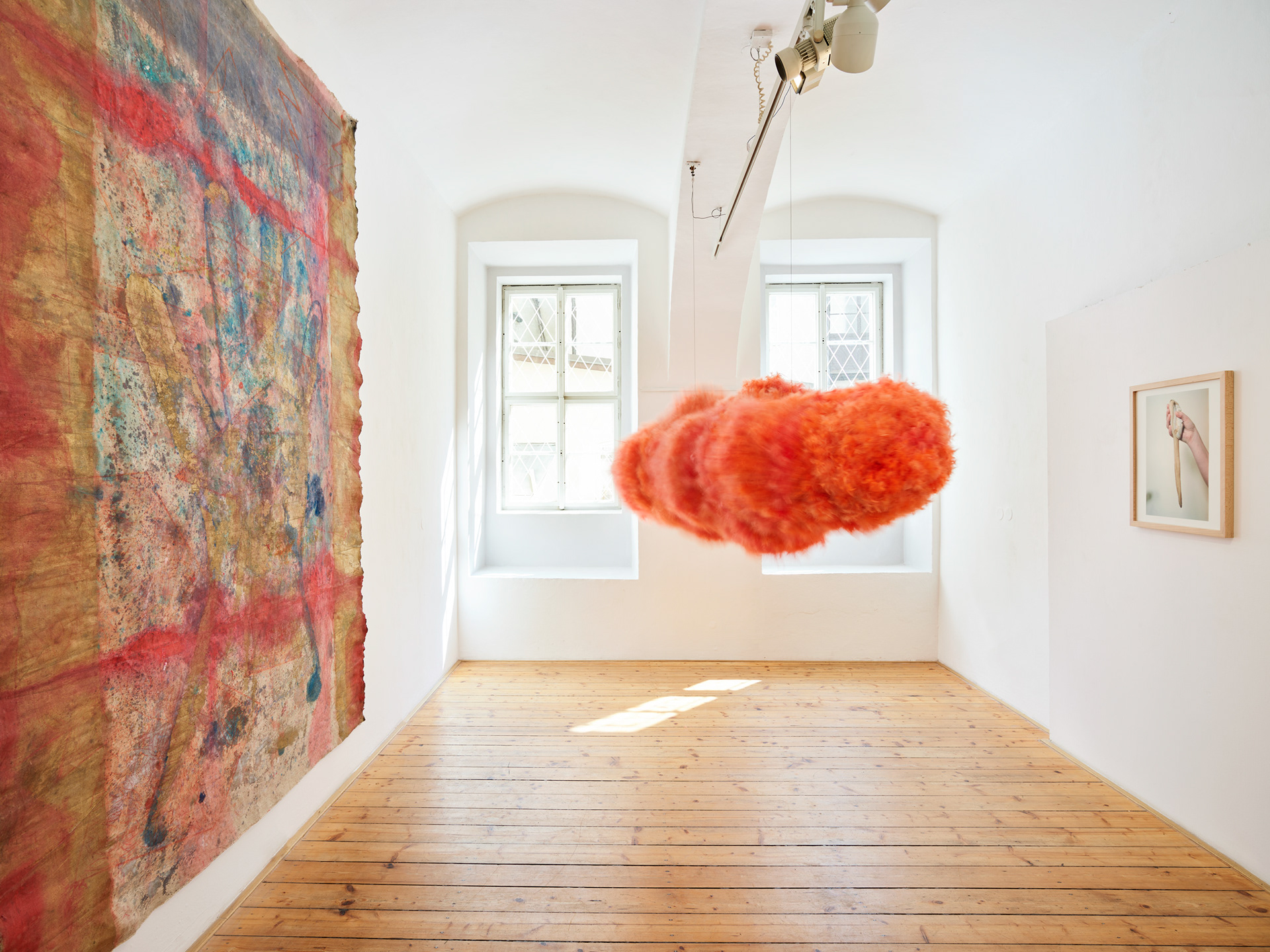
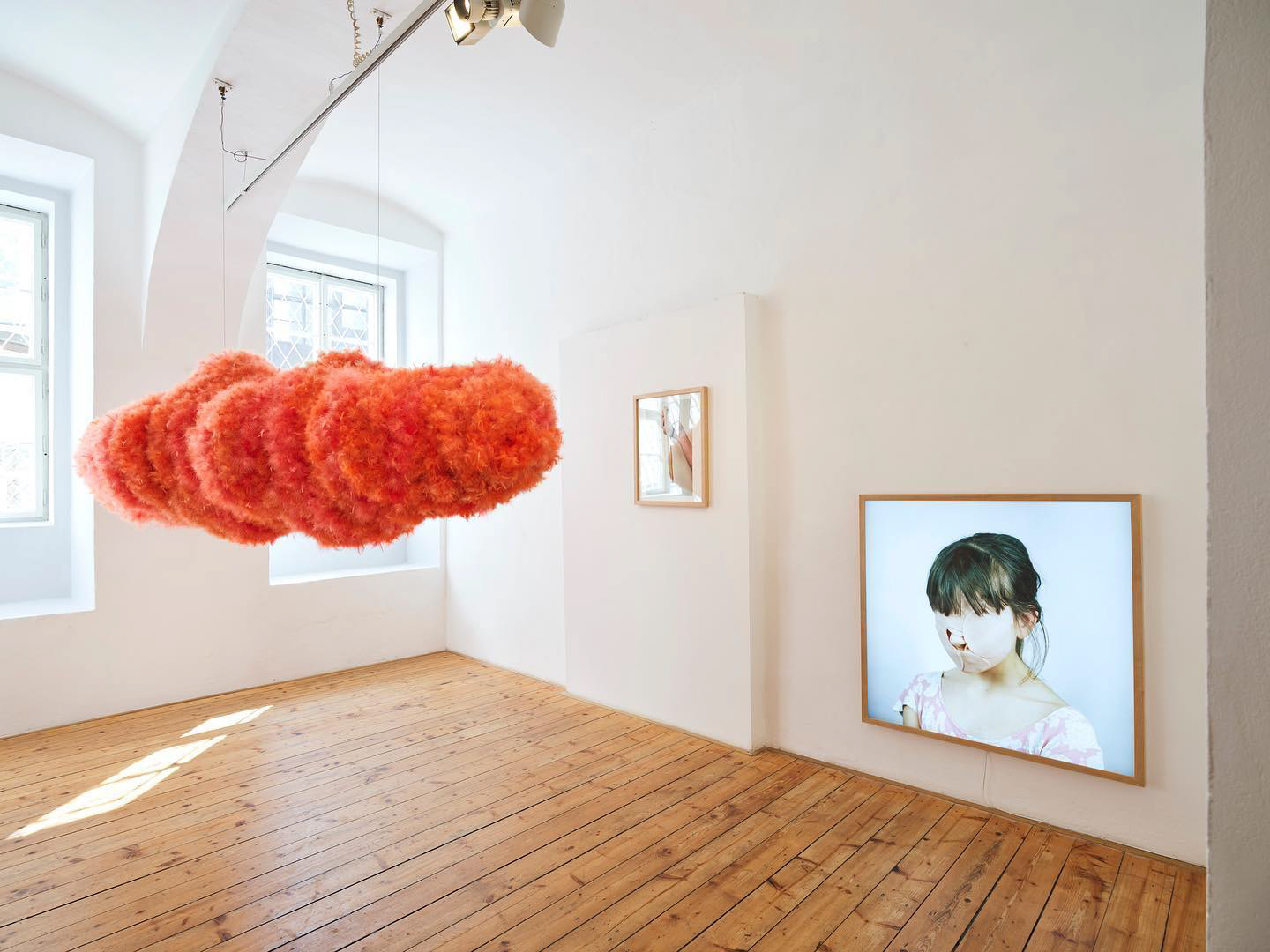
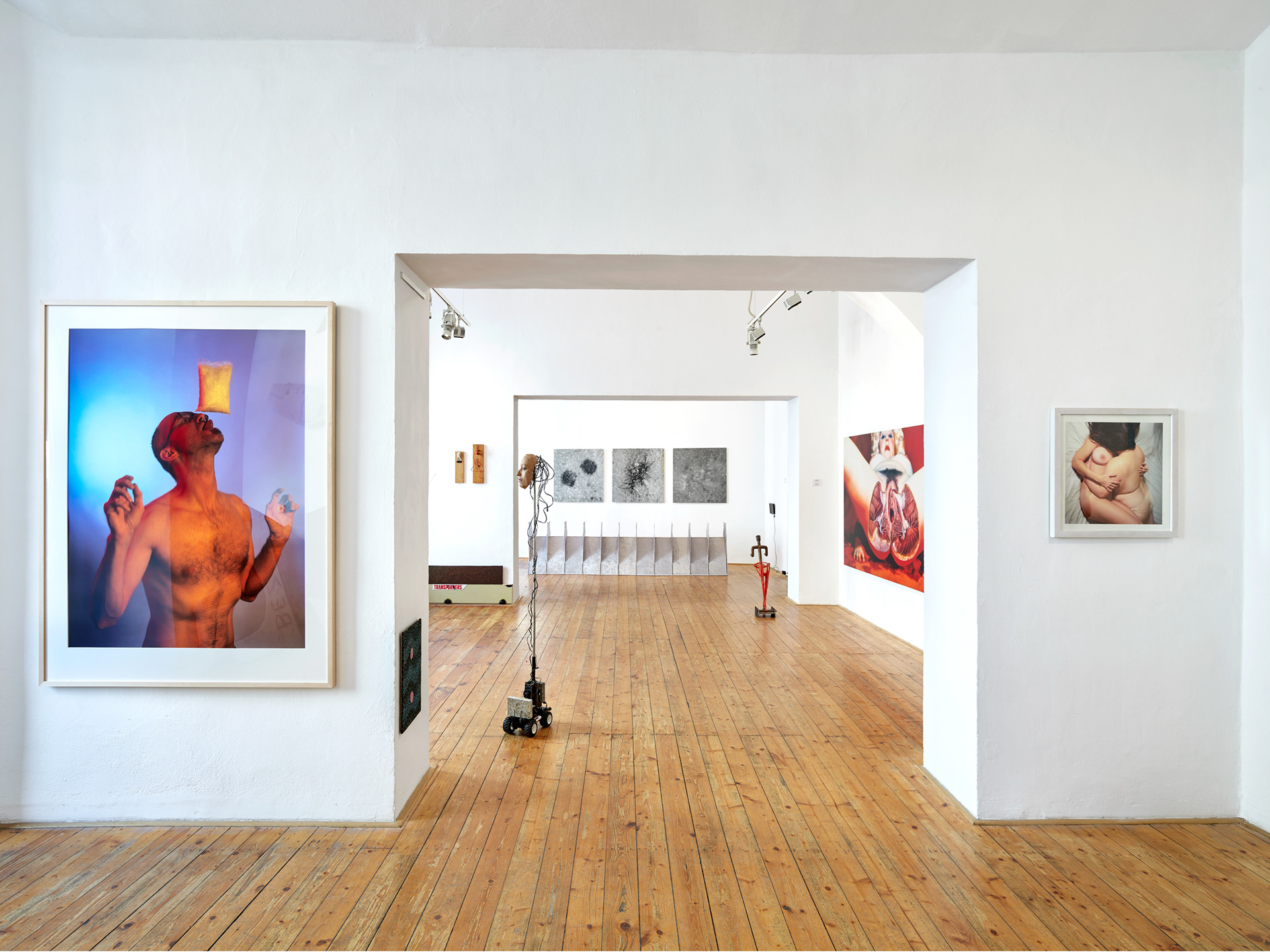
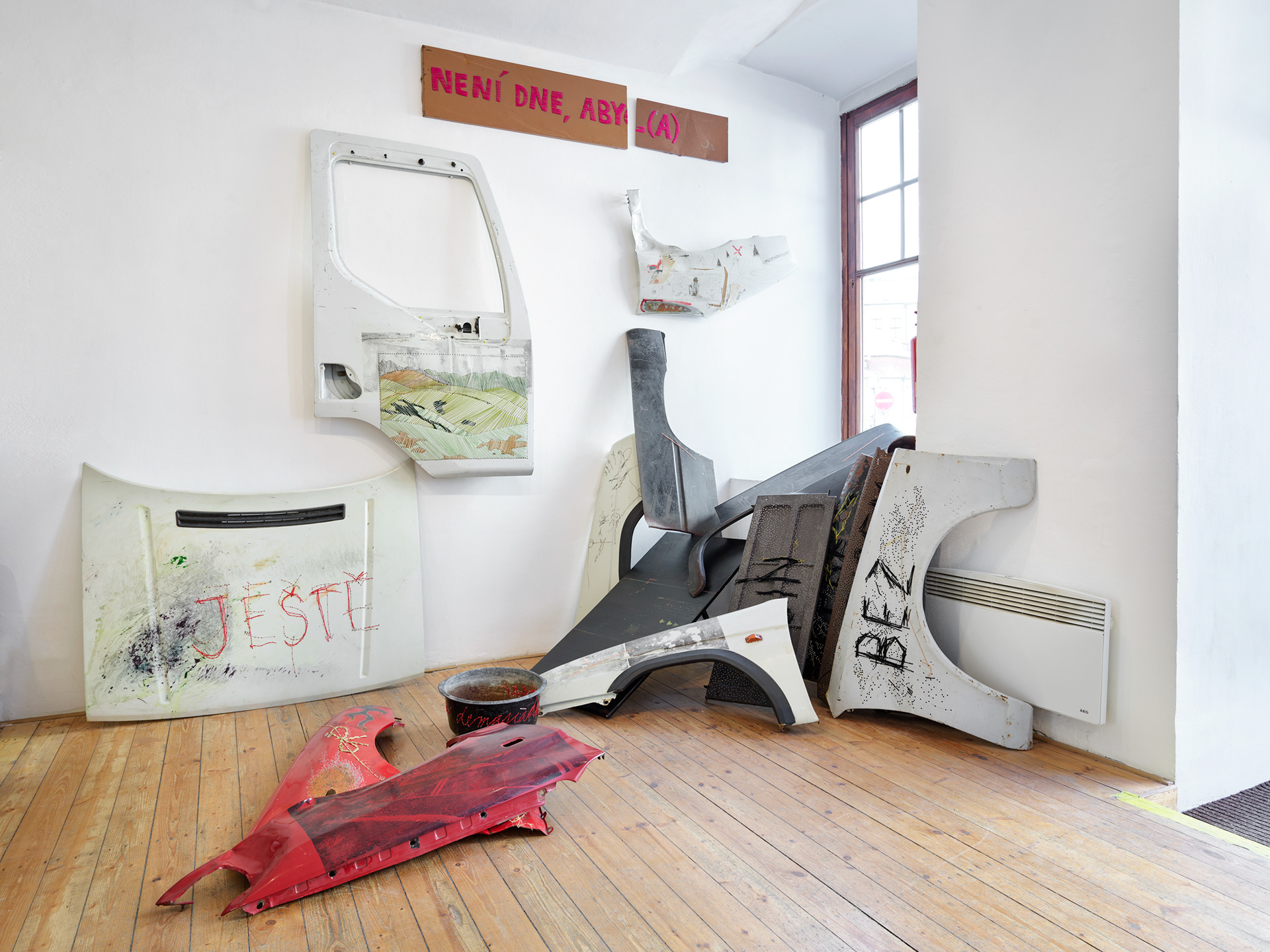
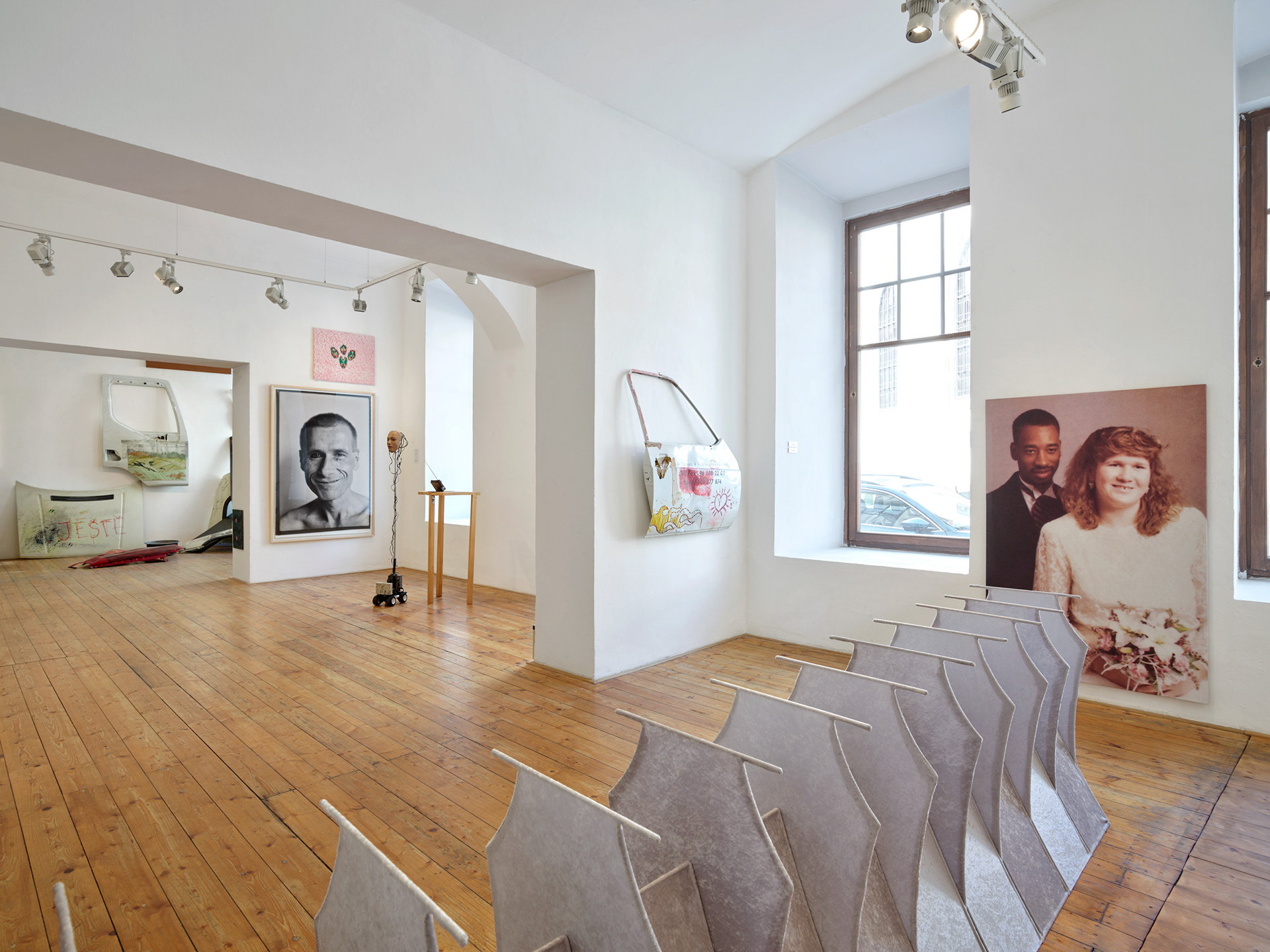
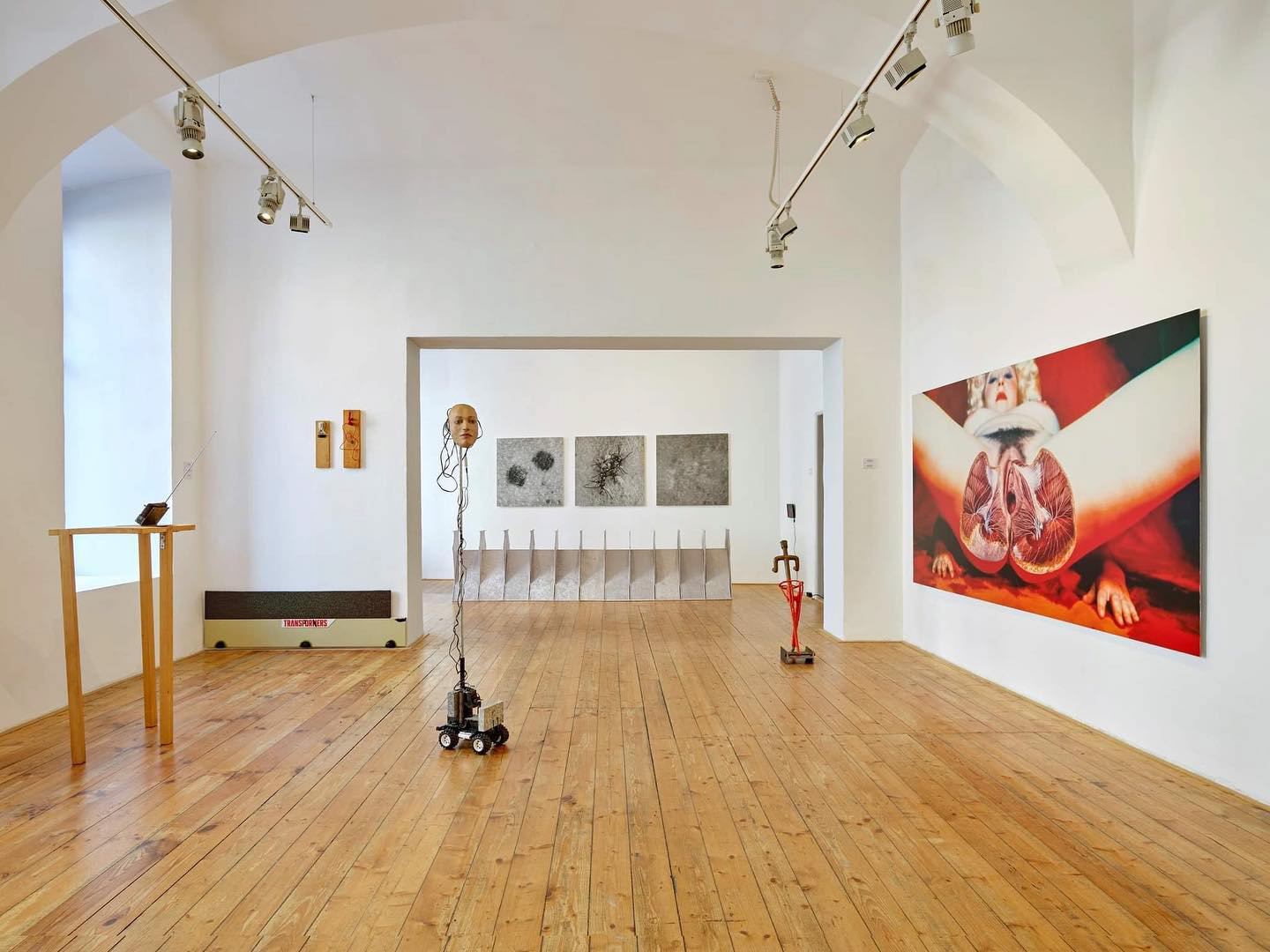
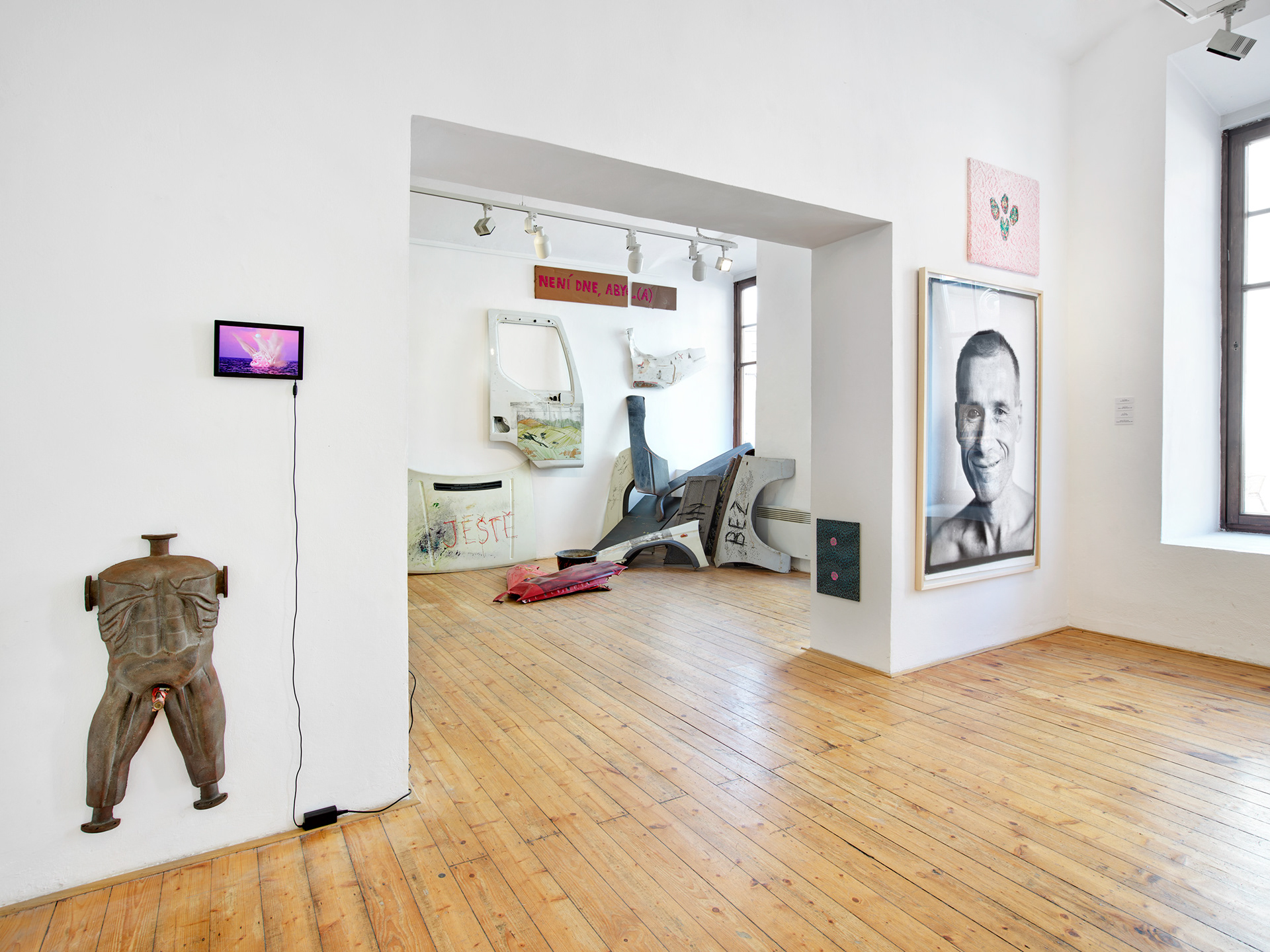
Výstava se obrací k fenoménu těla a tělesnosti, ale dotýká se i řady dalších témat, která s tělesností přímo souvisejí, jako je identita, sexualita, smyslovost, intimita či překračování hranic soukromého a veřejného. Tělo a tělesnost patří k nadčasovým tématům a k nejdůležitějším zdrojům inspirace vůbec, jež se v umění objevují od nepaměti. Avšak tělo jako prostředek vyjádření v přímé, nezástupné podobě, nikoli ve smyslu námětu či pouhého nositele symbolických obsahů, se začalo v českém umění prosazovat teprve po polovině 20. století. Když pomineme průkopnická surrealistická „řádění“ Václava Zykmunda a skupiny Ra z poloviny 40. let, která v tehdejším umění nenašla adekvátní pokračovatele, jedná se především o body artové akce a performance ze 70. a 80. let (P. Štembera, J. Mlčoch, K. Miler, V. Havlík, T. Ruller, V. Ambroz, M. Titlová Ylovsky ad.). Jako jedno z dominantních témat výtvarného umění se pak téma těla a tělesnosti prosazuje v uměleckých projevech 90. let, která představují jádro, z něhož výstava Suck the Sack vychází. Tvorba umělců jako Nan Goldin, Cindy Sherman, Mat Collishaw, Jake a Dinos Chapmanovi nebo Damien Hirst ostatně nebyla v 90. letech v našem prostředí ničím neznámým. Cílem této výstavy je tak poukázat na širokou problematiku těla a tělesnosti v umění prostřednictvím tvorby vybraných autorů od 90. let až do současnosti.
Otevírání politických i kulturních hranic v nové situaci porevolučních 90. let, jimž předcházelo postmoderní narušování hegemonie velkých ideologií a mýtů, s sebou přinášelo potřebu jedince hledat nový vztah ke skutečnosti i k sobě samému. Velmi často se přitom umělci obraceli k formě autoportrétu, který nejenže umožňuje pohyb na hranici intimního a veřejného, ale také poskytuje jedinečnou možnost proměny subjektu autora v objekt, a tím i tehdy velmi aktuální distanci od vlastního díla. Setkání autora s obrazem sebe sama je tedy možné vnímat nejen jako způsob vyjádření určitého postoje ke světu a k sociálnímu prostředí, ale i jako jeden ze způsobů, jímž autor s potřebným odstupem získává možnost sledovat sám sebe z pro něj nezvyklé perspektivy, kterou může podle svého naturelu různě manipulovat a činit předmětem hry.
V českém umění nenacházíme tak ostře vyhraněnou formu tělesnosti, jakou známe třeba z tvorby bratří Chapmanů, Douglase Gordona, Matthewa Barneyho nebo Orlan. Pro české prostředí je typické spíš spojení konceptuálních východisek s poetičtější formou vyjádření, s důrazem na vizuální stránku, a pojetí těla nejen ve smyslu osobním, intimním, ale také v kontextu sociokulturním. Právě tyto momenty se výstava Suck the Sack snaží zdůraznit a z těchto pozic bylo přistupováno i k výběru autorů, ačkoli jsme si vědomi, že tématu těla a tělesnosti se dotýká celá řada dalších umělců, z nejvýrazněji se projevujících jmenujme alespoň Lenku Klodovou, jejíž práci s tělem jsou však vlastní jiná východiska i okruh problémů. Výstava tak napříč médii, kdy ovšem tradiční malba a socha ustupují do pozadí, sleduje několik názorových pozic a reflexí těla jako způsobu komunikace a poznání světa i sebe sama.
Martina Mrázová
The exhibition explores the body and corporeality, while also addressing a range of closely related themes, including identity, sexuality, sensory experience, intimacy, and the crossing of boundaries between the private and the public. The body and corporeality are timeless subjects and among the most enduring sources of artistic inspiration, present in art since its earliest beginnings. Yet it was only in the second half of the twentieth century that the body began to establish itself in Czech art as a direct and irreplaceable means of artistic expression, rather than merely as a subject or a vehicle for symbolic meanings. Setting aside the pioneering Surrealist experiments of Václav Zykmund and the Ra Group in the mid-1940s, which found no direct continuation in the art of the period, this development is associated primarily with the body art actions and performances of the 1970s and 1980s (P. Štembera, J. Mlčoch, K. Miler, V. Havlík, T. Ruller, V. Ambroz, M. Titlová Ylovsky, among others).
The body and corporeality subsequently emerged as major concerns in the art of the 1990s, which forms the historical point of departure for Suck the Sack. Indeed, the work of artists such as Nan Goldin, Cindy Sherman, Mat Collishaw, Jake and Dinos Chapman, and Damien Hirst was by no means unfamiliar within the Czech art scene of that decade. The exhibition therefore seeks to explore the broad range of questions surrounding the body and corporeality in art through the work of selected artists from the 1990s to the present.
The opening of political and cultural borders in the new circumstances of the post-revolutionary 1990s, following postmodern challenges to the hegemony of grand ideologies and myths, brought with it a need for individuals to redefine their relationship with reality and with themselves. Artists frequently turned to self-portraiture, which not only allowed them to explore the boundary between the intimate and the public, but also offered a unique opportunity to transform themselves from subjects into objects of representation and, in doing so, to establish a distance from their own work - an especially pertinent concern at the time.
The artist's encounter with their own image can therefore be understood not only as a means of expressing a particular attitude towards the world and the social environment, but also as a way of observing themselves from an unfamiliar perspective. The distance afforded by this encounter allows artists to manipulate their own image according to their individual sensibility, turning it into an object of experimentation and play.
Czech art offers few examples of approaches to corporeality as starkly confrontational as those found, for instance, in the work of the Chapman brothers, Douglas Gordon, Matthew Barney, or ORLAN. More characteristic of the Czech context is the combination of conceptual approaches with a more poetic mode of expression, an emphasis on visual qualities, and an understanding of the body not only in personal and intimate terms but also within a wider sociocultural framework.
These are precisely the aspects that Suck the Sack seeks to emphasise, and they have informed the selection of participating artists. The exhibition does not, however, attempt to encompass every significant artist whose practice engages with the body and corporeality. Among those working in this field, Lenka Klodová deserves particular mention, although her approach to the body proceeds from different premises and addresses a different set of questions.
Working across different media, with traditional painting and sculpture largely receding into the background, the exhibition brings together distinct artistic positions and reflections on the body as a means of communication and of understanding both the world and oneself.
Martina Mrázová