Samuel Paučo / Trhliny
White & Weiss Gallery, Bratislava, Slovakia
13. 3. – 19. 4. 2019
Curated by Martina Mrázová
Photo White & Weiss Gallery
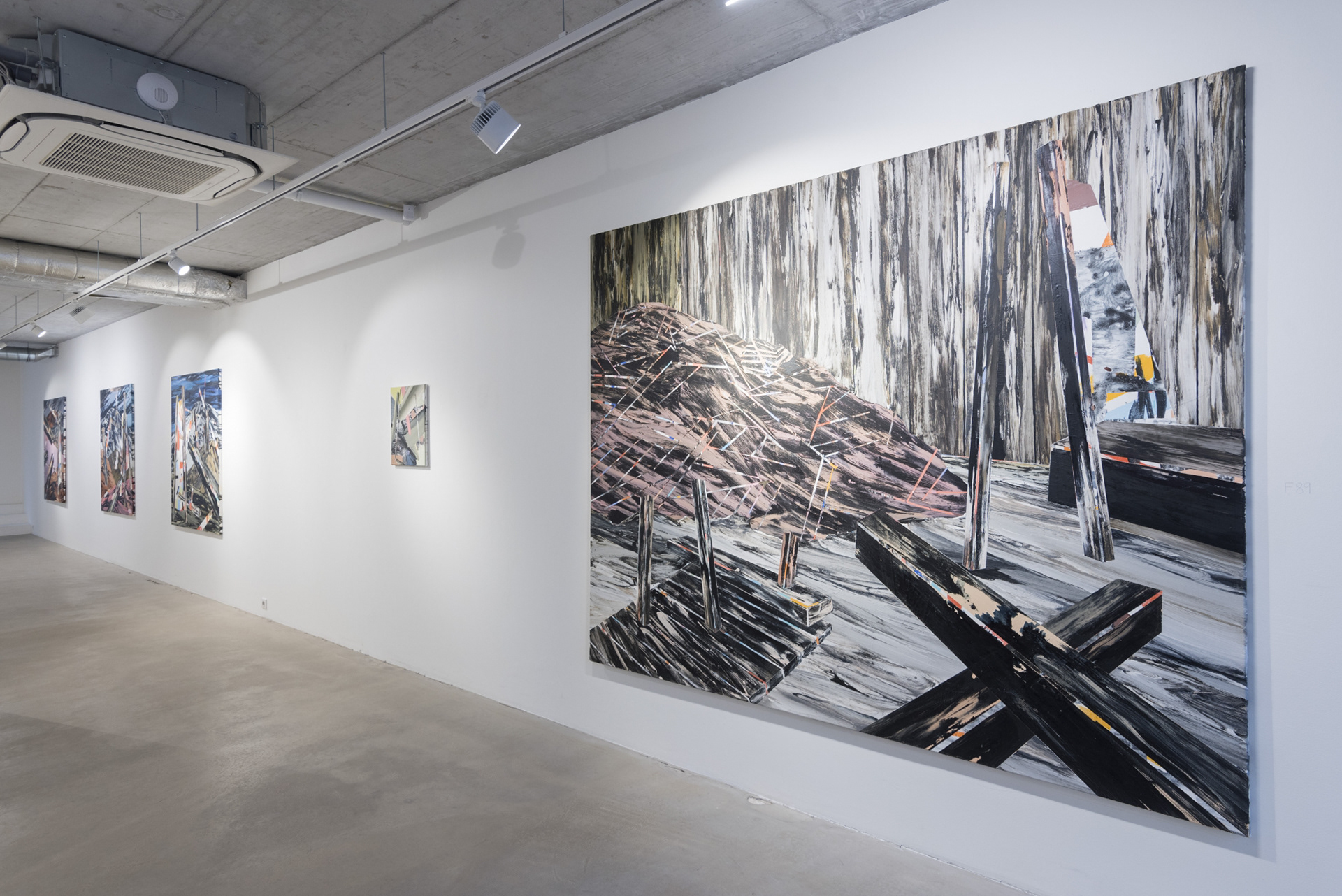
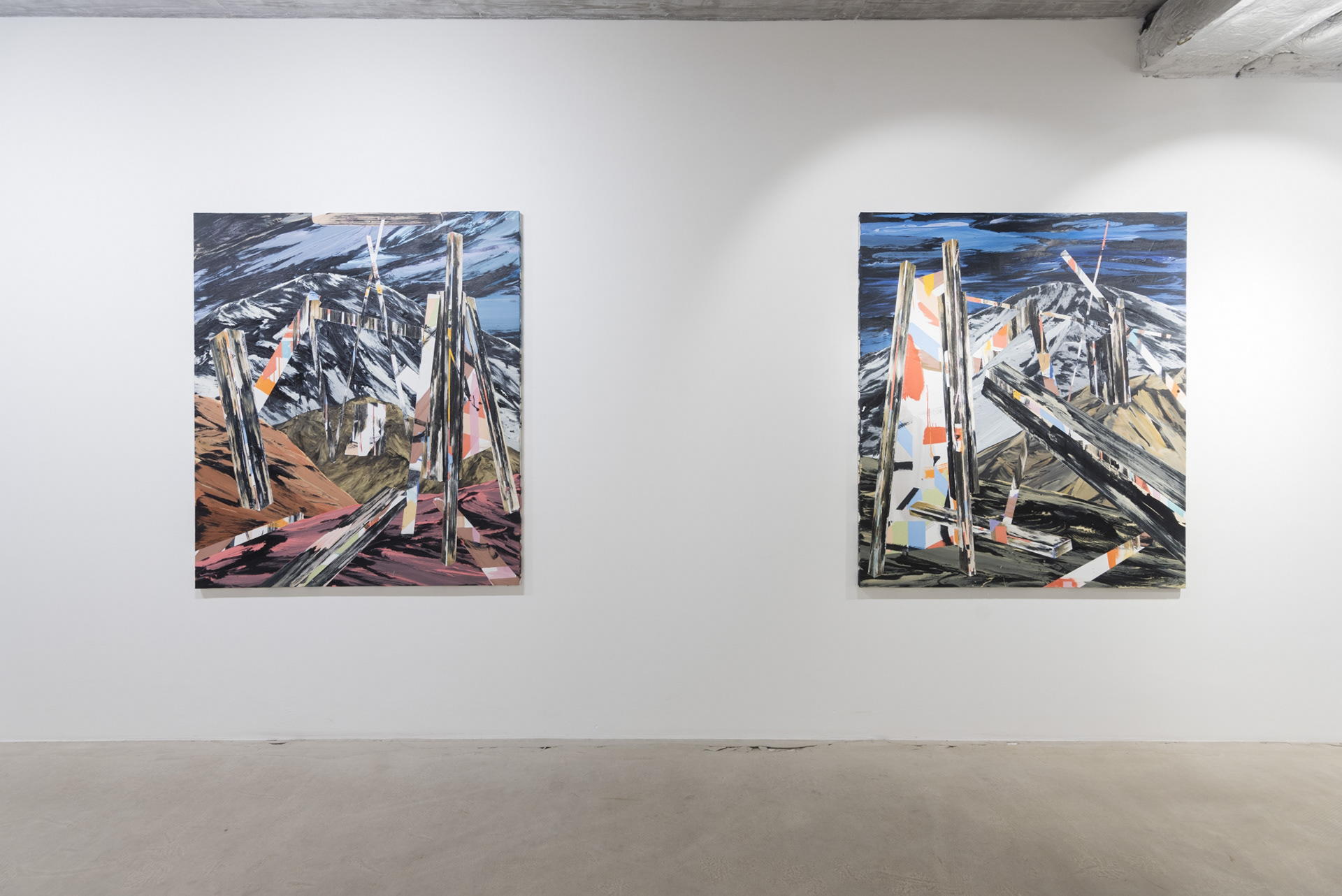
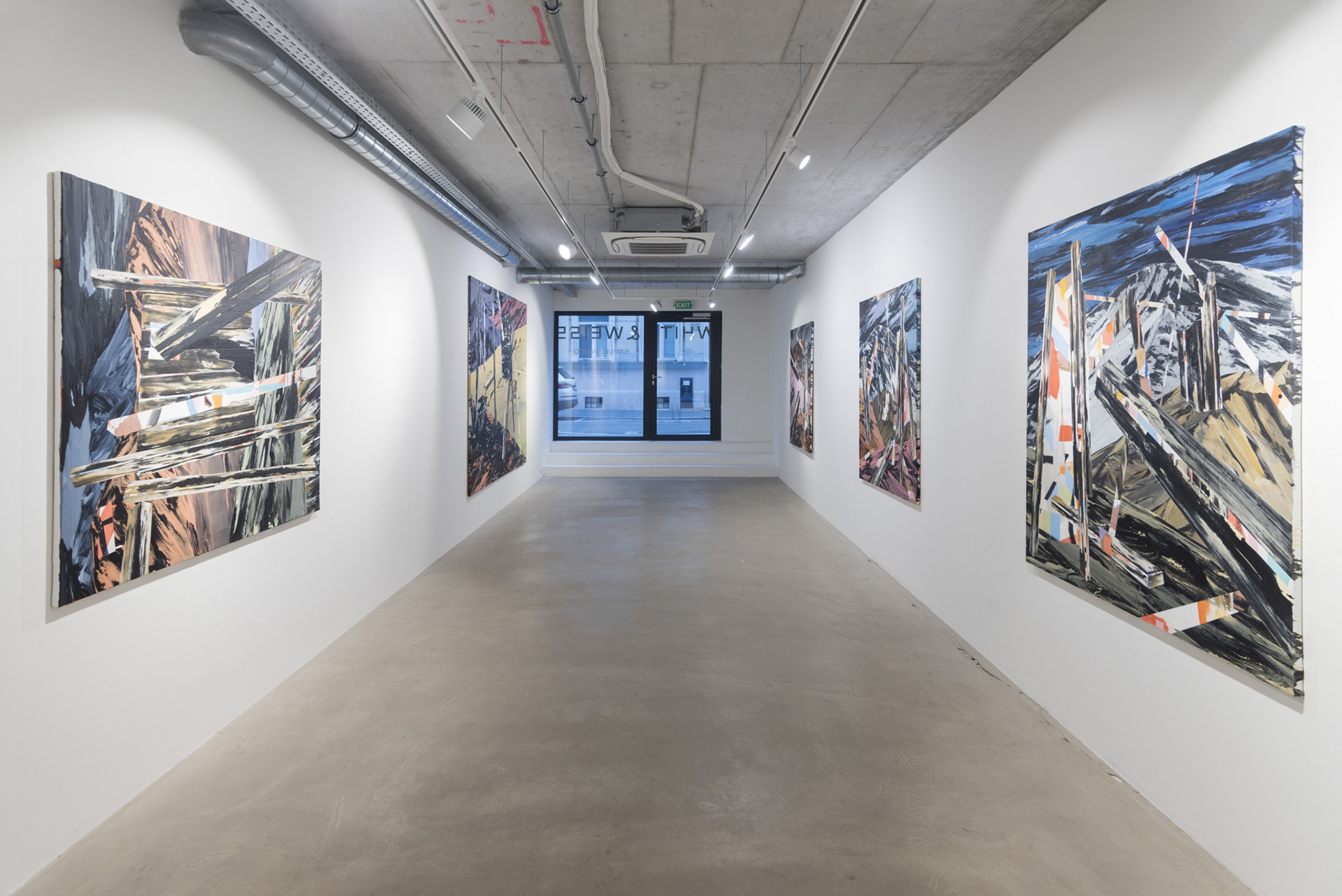
Francis Bacon se v několika rozhovorech vyjádřil v tom smyslu, že umění musí nejprve obejít nástroje rozumu a působit přímo na nervový systém diváka. A přesně tak na nás působí i malby Samuela Pauča, které nás nekompromisně vtahují do prostoru tajemných krajin umělcovy divoké obraznosti, v nichž nic není, jak se na první pohled zdá.
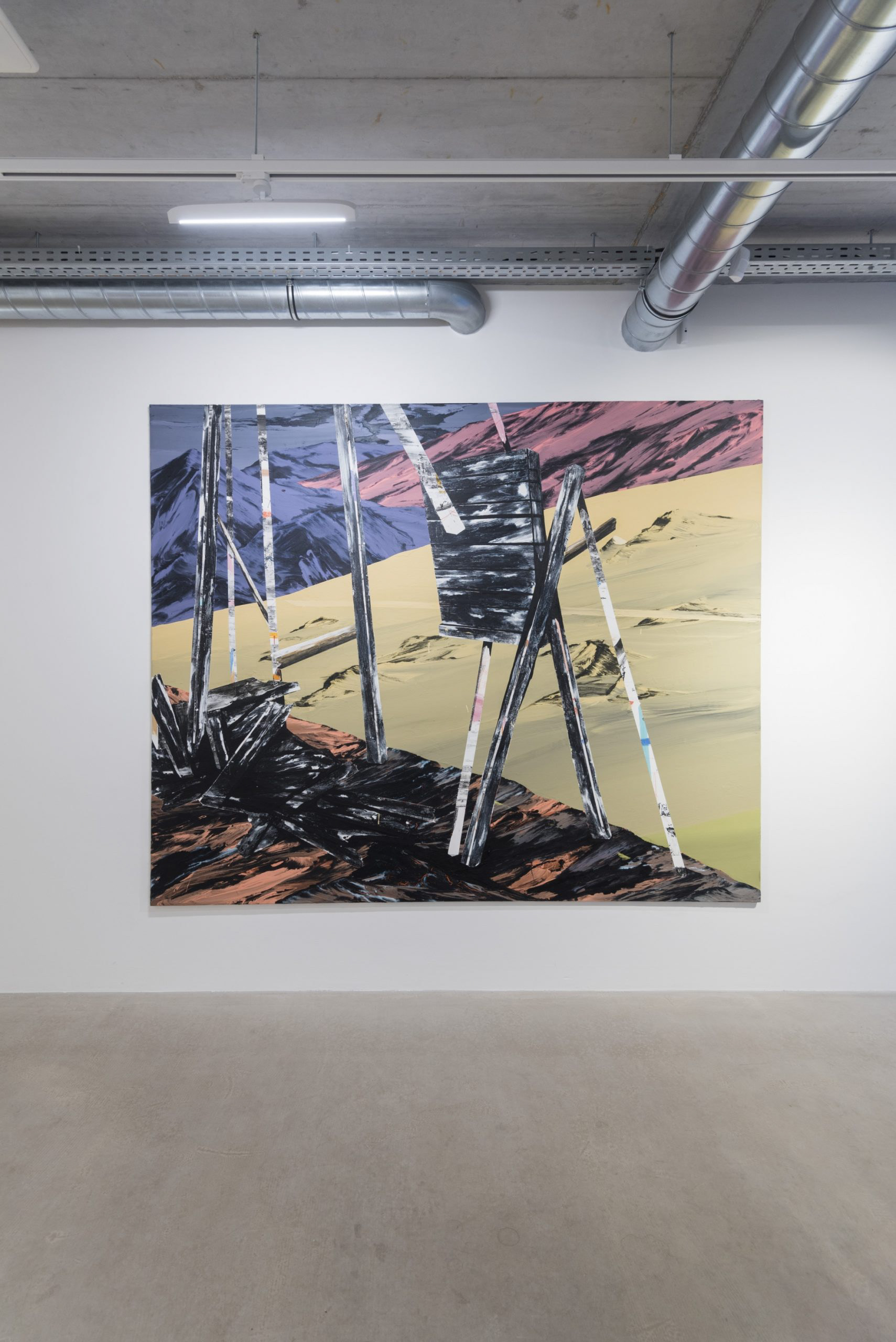
Specifický způsob kombinování abstraktní malby s krajinnými prvky Samuela Pauča formálně přibližuje k tvorbě jednoho z příslušníků tzv. nové lipské školy, Davida Schnella. Oba rozvíjí konceptuální dialog s imaginárním prostorem, který evokuje krajinu, a podílí se tak na redefinici klasického žánru krajinomalby, oba používají dynamické perspektivy, fragmenty architektonických prvků i struktury odvozené ze světa přírody. Avšak zatímco východisko zářivě vibrujících obrazů Davida Schnella souvisí se sociální realitou současného západního Německa a se zájmem o realitu virtuální, téma temných, analytických maleb Samuela Pauča spočívá především v malířském médiu samotném. V Paučových obrazech samozřejmě také cítíme bohatý narativní potenciál, sociálně kritický náboj a environmentální asociace, to vše se mu však stává jen živnou půdou pro čistě formální průzkumy na poli malby. Není proto příliš podstatné pokoušet se jeho obrazům intelektuálně rozumět a uchopit jejich „příběh“; nemusíme vědět, kdo v oněch dřevěných chatrčích bydlel a proč odešel, jestli stavby zničila povodeň, nebo je zasáhla nějaká jiná katastrofa, jak se do prostoru dostaly fragmenty staveb a zda vůbec šlo o lidské stavby a podobně, byť díky těmto asociacím získávají Paučovy malby nesporně i silnou přitažlivost. Na tyto otázky bychom však stejně nezískali žádné definitivní odpovědi a jejich hledání by naši pozornost od maleb spíše odvádělo. Některé obrazy, v nichž Paučo domnělý přirozený prostor – krajinný horizont spolu s obrazovými plány – otáčí o 90 stupňů, nás nenechávají na pochybách, že narace v jeho obrazech nehraje prim.
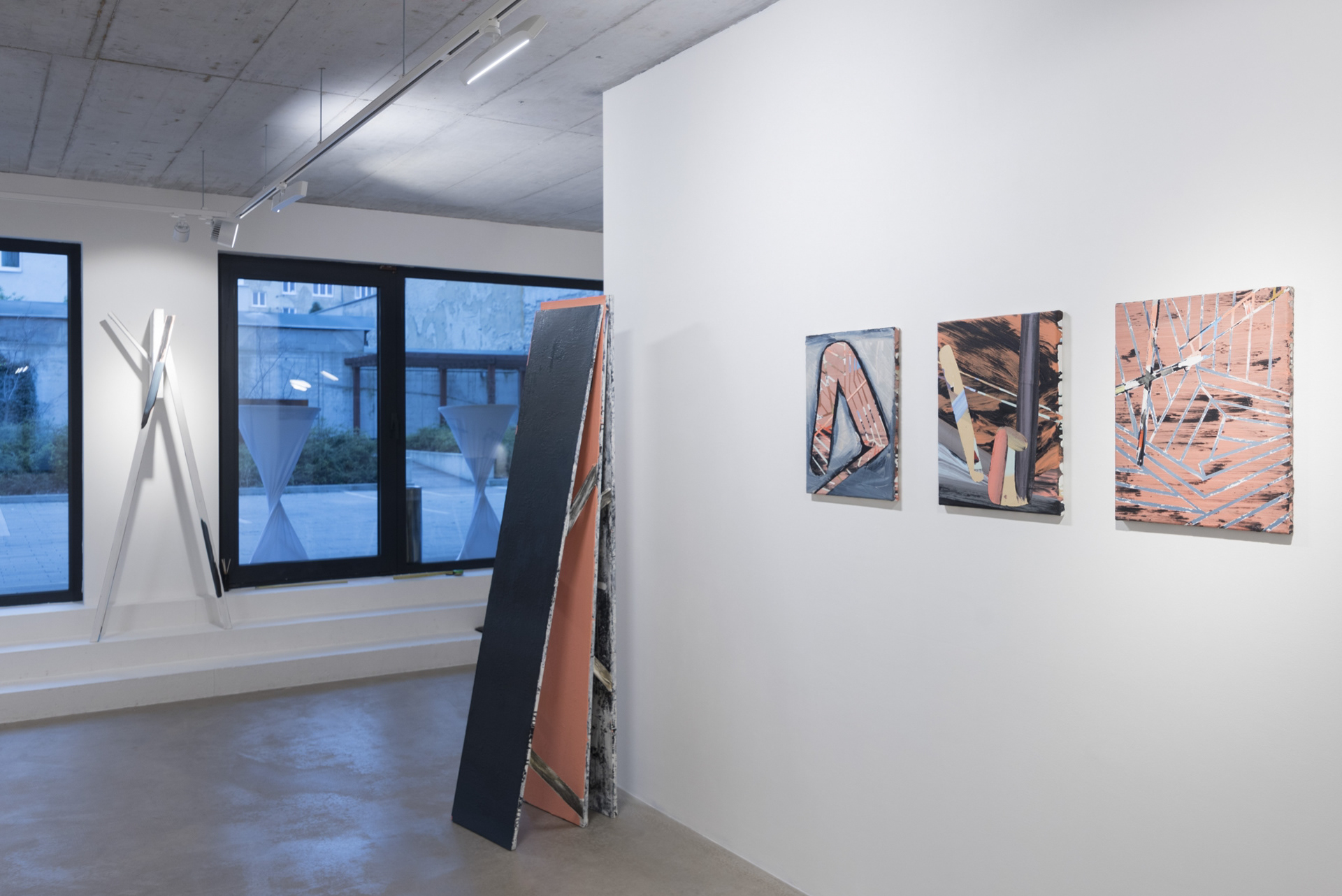
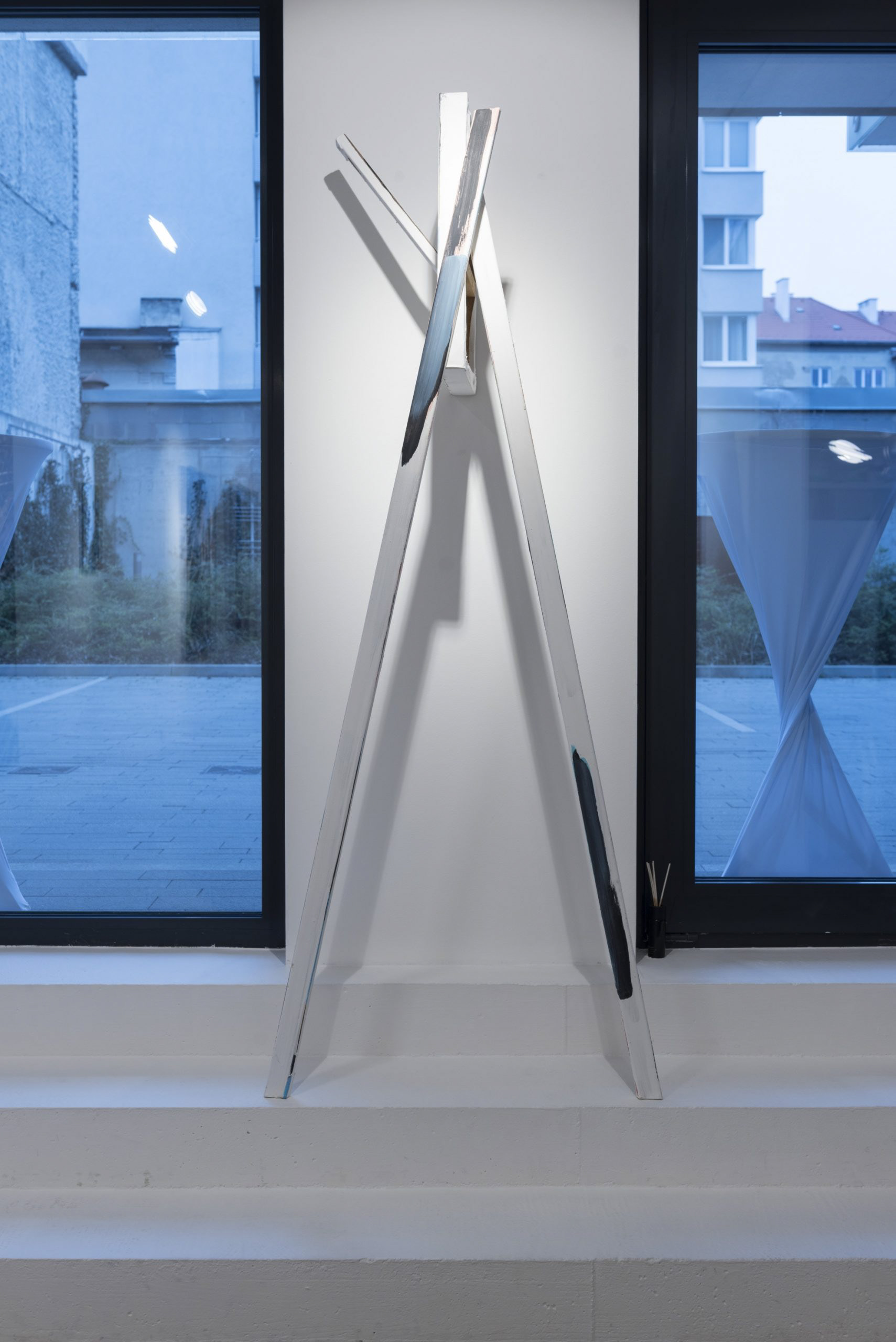
Ve svých malbách vytváří Samuel Paučo imaginární prostory s dobře volenými abstrahovanými fragmenty reality, které jako rezidua předmětnosti cílí do podvědomí diváka a dodávají jeho obrazům na větší intenzitě a naléhavosti. Divákovi podávají záchranné lano, aby jej však vzápětí zase strhly do propasti nejistoty. V liduprázdných scenériích se odehrávají dramatické konflikty mezi ostře řezanými geometrizovanými tvary, které atakují zdánlivě reálný prostor, k němuž odkazují horské masivy nebo pusté, apokalyptické krajiny či torza dřevěných chatrčí. Podivné, geometrizované tvary, které mnohdy evokují dřevěné klády či fragmenty staveb, si v obrazovém prostoru žijí svým vlastním životem, nerespektují fyzikální zákony, někdy se kříží, levitují, a někdy dokonce nabývají podoby grafického znaku, jejž Paučo v celé sérii z obrazů uvolnil a převedl do trojrozměrné podoby objektů, aby malířské médium podrobil dalšímu zkoumání. V obrazovém prostoru pracuje Samuel Paučo s principem vrstvení a překrývání jednotlivých plánů, přičemž každý z nich odkazuje k jinému způsobu malby. Spodní vrstvy obrazu Paučo obnažuje pomocí linií, jimiž zpravidla vymezuje právě ony geometrizované atakující elementy. Veškeré skripturální zásahy v obrazech vlastně zcela nahrazuje manipulací s lepicí páskou, jejímž strháváním dosahuje ostrých linií, které se zařezávají do jeho velkorysé expresivní malby v prvním plánu a vytvářejí k ní tak velmi působivý kontrast. Malby ale dynamizuje i dalšími lineárními útvary, které do obrazového prostoru vnášejí nové struktury, trajektorie, a někdy nabývají až ornamentální podoby. Prolamování prostoru obrazu do abstraktní malby skrývající se pod povrchem malby zdánlivě realistické tak evokuje jakési průrvy, trhliny v časoprostoru, jimiž se obnažují spodní vrstvy, živoucí energetické pole barev v samotném základu malby. Vzniká tak intenzivní a svým způsobem zneklidňující dialog o malbě samotné, dialog plný tajemných stop, torz a fragmentů vědomé i nevědomé reality, jímž Paučo naznačuje nové cesty současné malby. Jeho obrazy však nevznikají v izolaci od současného světa, nejsou jen surrealistickým mapováním autorova podvědomí ani čistě konceptuálním uvažováním o malířském médiu. Díky neustálým náznakům a referencím k prvkům reálného světa můžeme jeho malby vnímat i jako určitou analogii světa skutečného s jeho současnými nejistotami a hrozbami, jehož základní principy se také nechávají poznat jen tu a tam, aniž by nám umožnily zcela porozumět celku.
Martina Mrázová
In several interviews, Francis Bacon suggested that art must bypass the intellect and act directly upon the viewer's nervous system. Samuel Paučo's paintings have precisely this effect. They draw us uncompromisingly into the mysterious landscapes of the artist's untamed imagination, where nothing is quite as it first appears.
Paučo's distinctive combination of abstract painting and landscape elements brings his work formally close to that of David Schnell, an artist associated with the so-called New Leipzig School. Both engage in a conceptual dialogue with imaginary spaces that evoke landscapes, contributing to a redefinition of the traditional genre of landscape painting. Both employ dynamic perspectives, fragments of architectural structures, and forms derived from the natural world. Yet while Schnell's vibrantly coloured paintings are informed by the social realities of contemporary western Germany and an interest in virtual reality, the central concern of Paučo's dark, analytical paintings is the medium of painting itself.
Paučo's works undoubtedly possess rich narrative potential, a socially critical dimension, and environmental associations, but these ultimately serve as fertile ground for his formal investigations into painting. It is therefore of little importance to attempt an intellectual interpretation of his paintings or reconstruct their supposed stories. We do not need to know who once inhabited those wooden shacks or why they left, whether the buildings were destroyed by a flood or some other catastrophe, how the architectural fragments came to occupy these spaces, or even whether they were ever human constructions at all. Such associations undoubtedly contribute to the compelling quality of Paučo's paintings, but these questions would never yield definitive answers, and pursuing them would ultimately divert our attention from the paintings themselves. Certain works, in which Paučo rotates the apparent natural space of the image—its landscape horizon and spatial planes—by ninety degrees, leave little doubt that narrative is not his primary concern.
In his paintings, Samuel Paučo creates imaginary spaces from carefully selected, abstracted fragments of reality. These residual traces of recognisable objects appeal to the viewer's subconscious, lending the images greater intensity and urgency. They offer the viewer a lifeline, only to pull them back into an abyss of uncertainty. Within these uninhabited scenes, dramatic conflicts unfold between sharply defined, geometrically simplified forms that seem to assault an apparently real space, evoked by mountain ranges, desolate apocalyptic landscapes, or the remains of wooden shacks. These strange geometric forms, often resembling timber beams or architectural fragments, lead lives of their own within the pictorial space. Defying the laws of physics, they intersect, levitate, and sometimes even assume the appearance of graphic signs. In a series of works, Paučo has taken such forms beyond the confines of the paintings and translated them into three-dimensional objects, extending his investigation of the medium.
Within the pictorial space, Paučo works through the layering and overlapping of individual planes, each associated with a different mode of painting. He exposes the underlying layers through sharply defined lines that generally delineate the geometric forms disrupting the image. Rather than relying on gestural mark-making for these interventions, he manipulates adhesive tape, removing it to reveal crisp lines that cut through the expansive, expressive painting in the foreground and create a striking contrast. He also introduces other linear formations that lend the paintings additional dynamism, bringing new structures and trajectories into the pictorial space and sometimes assuming an almost ornamental character.
The opening up of pictorial space to the abstract painting concealed beneath an apparently realistic surface evokes ruptures or fissures in space-time. Through these openings, the underlying layers are revealed: a vibrant field of chromatic energy at the very foundation of the painting. What emerges is an intense and, in its own way, unsettling dialogue about painting itself, full of enigmatic traces, remnants, and fragments of conscious and unconscious reality. Through this dialogue, Paučo suggests new possibilities for contemporary painting.
His works, however, are not created in isolation from the contemporary world. They are neither merely Surrealist mappings of the artist's subconscious nor purely conceptual investigations into the medium of painting. Through their persistent allusions to elements of the real world, they can also be understood as analogies of contemporary reality, with all its uncertainties and threats - a reality whose underlying principles reveal themselves only intermittently, never allowing us to comprehend the whole.
Martina Mrázová