Eva Yurková, Tomáš Kurečka, Filip Kůrka, Pavlína Kvita, Bystrík Klčo, Karíma al-Mukhtarová, Nikola Emma Ryšavá, Zuzana Svatik, Markéta Špundová & Viktorie Macánová, Jan Uldrych, Žil Julie Vostalová, Jan Vytiska, Adam Žufníček
The Chemistry Gallery
10. 4. - 17. 5. 2026
Curated by Martina Mrázová
Photo Petr Kopal

Eva Yurková
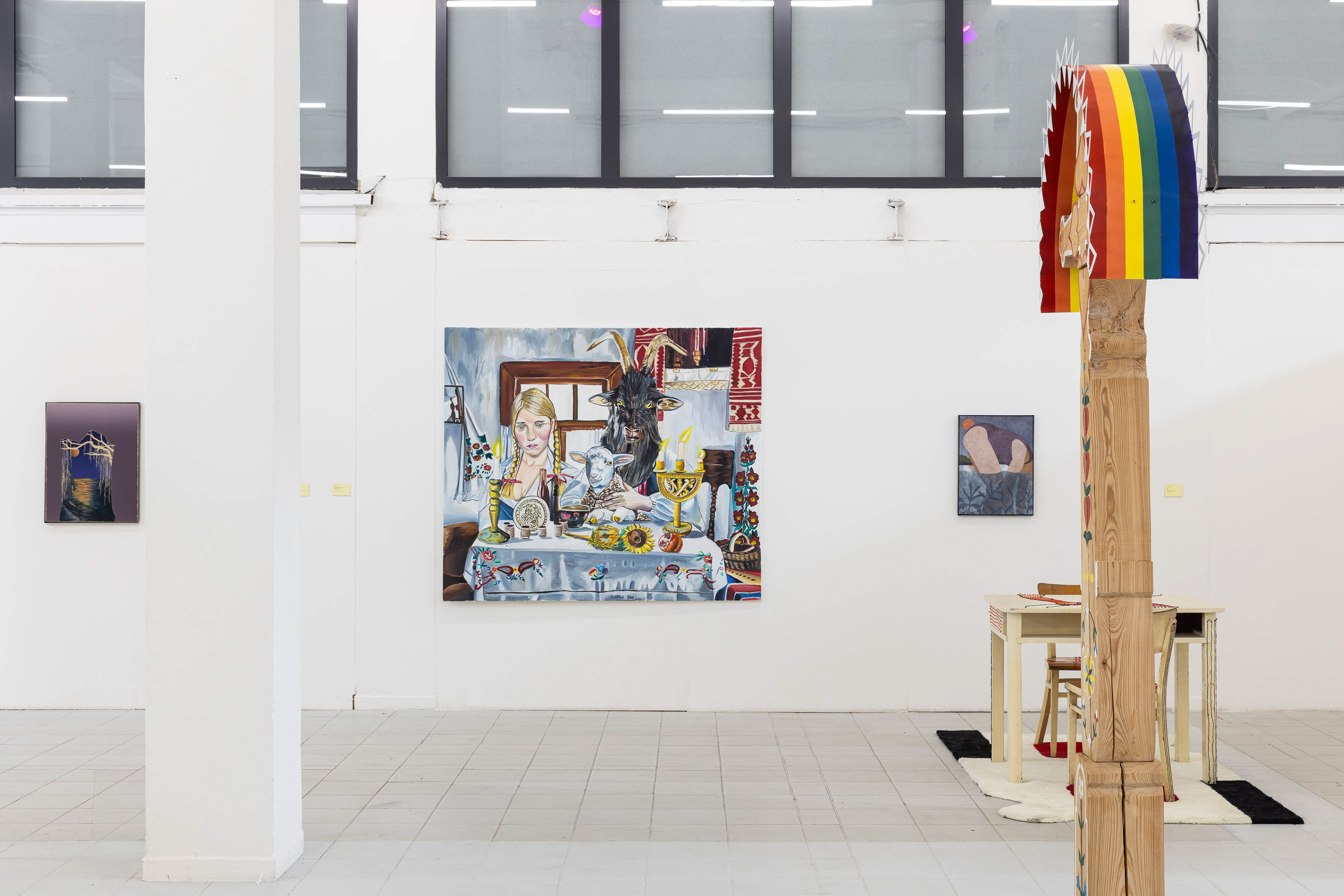
Jan Vytiska
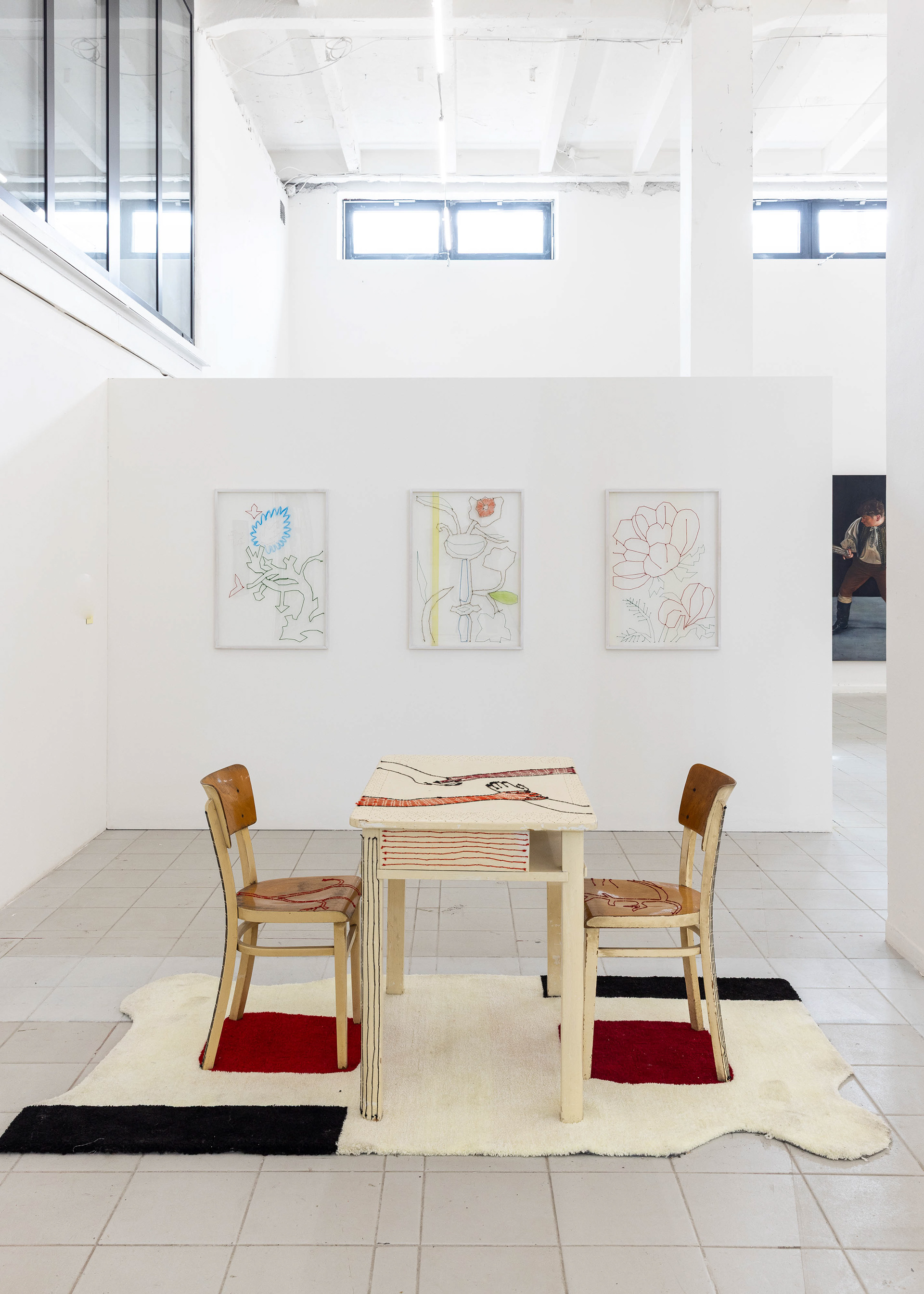
Karíma al-Mukhtarová
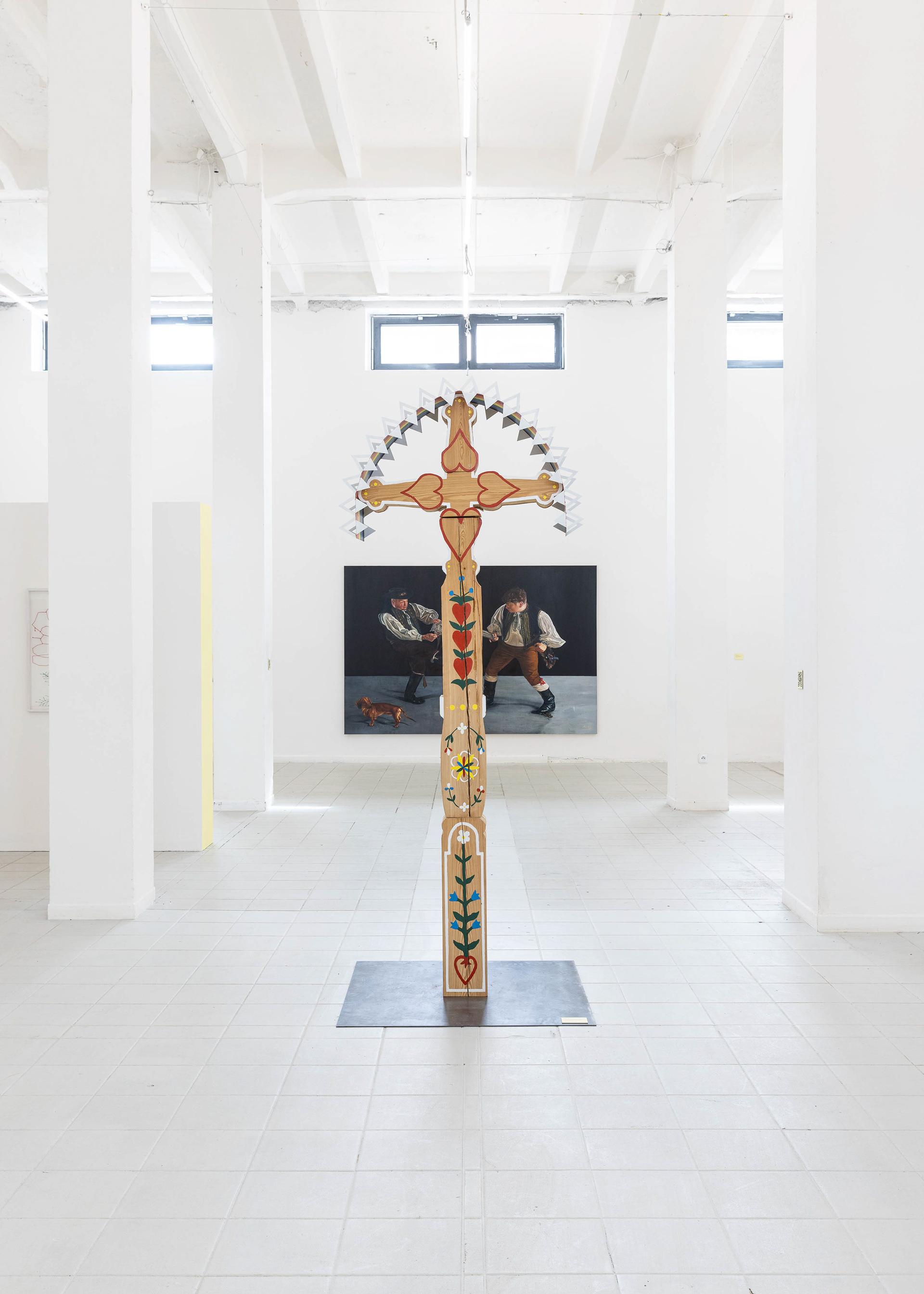
Bystrík Klčo
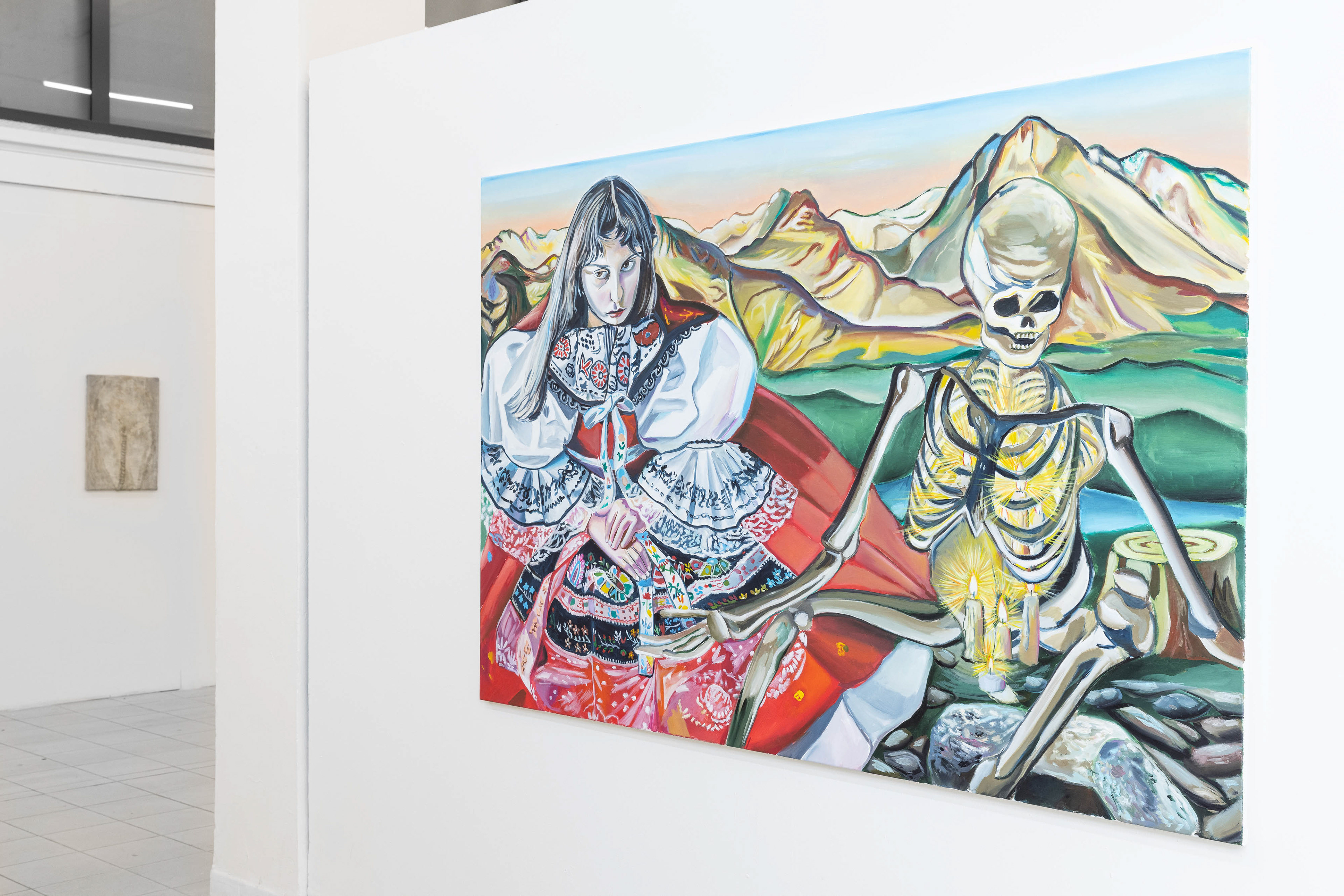
Jan Vytiska

Karíma al-Mukhtarová, Pavlína Kvita, Zuzana Svatik
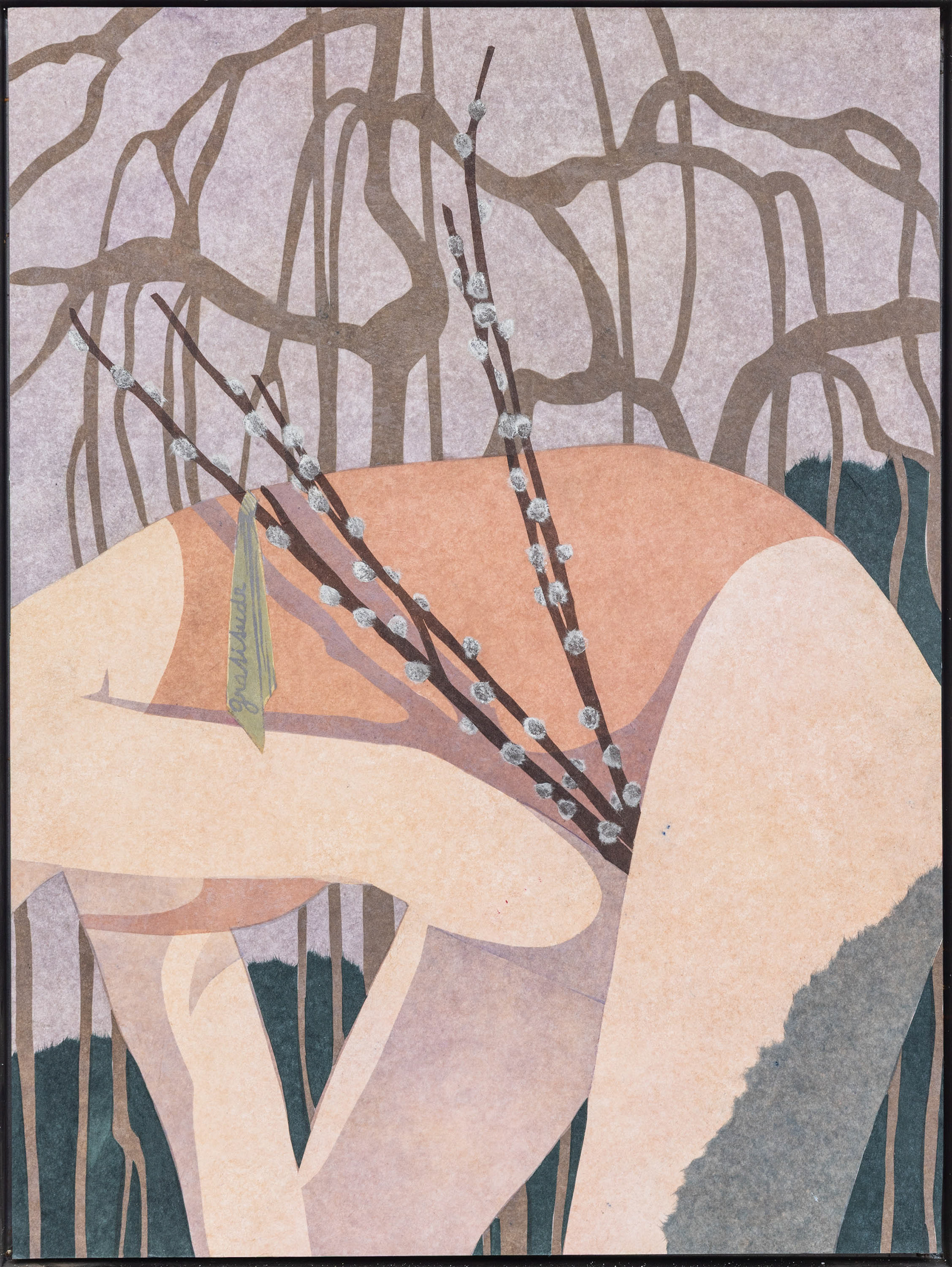
Eva Yurková
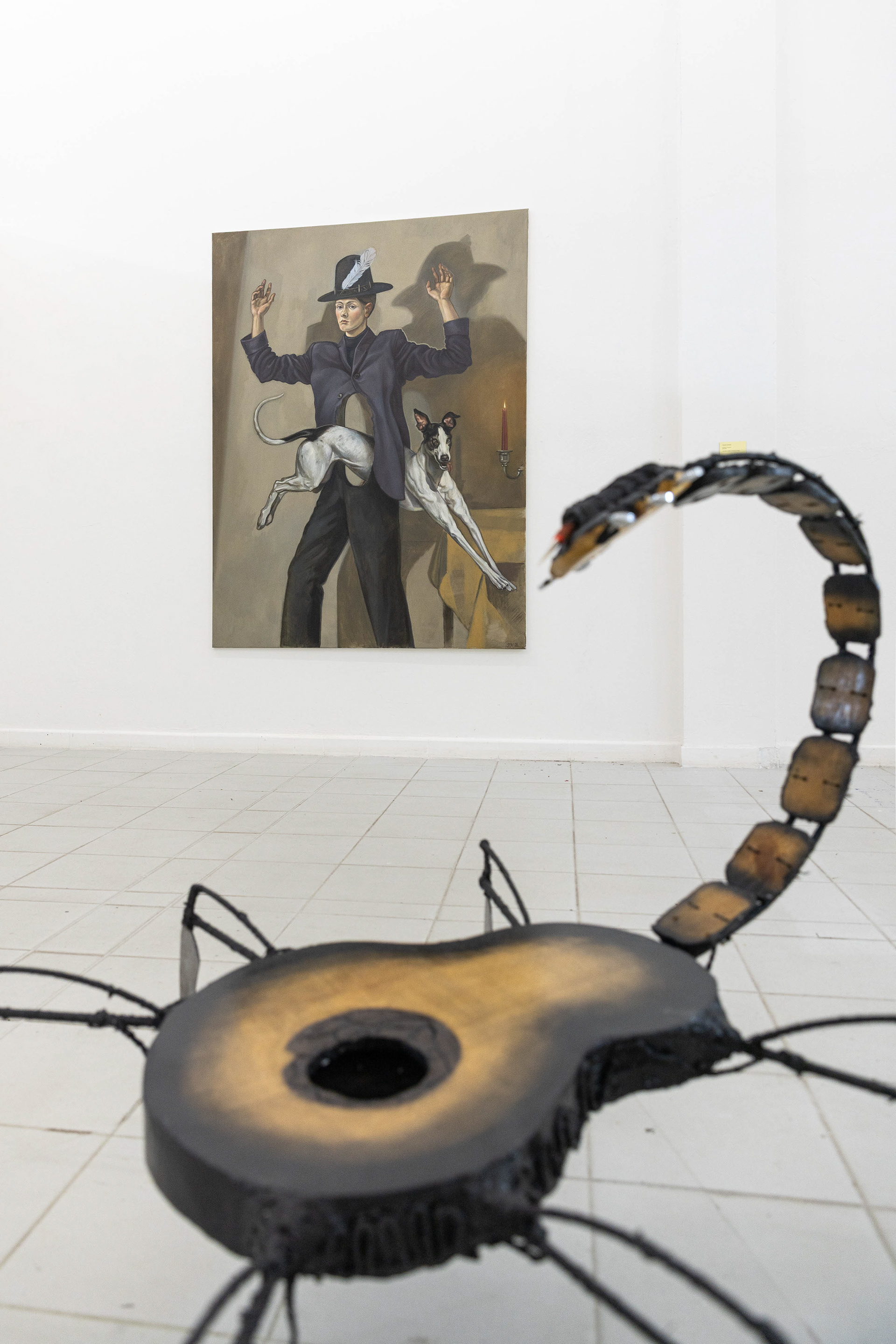
Adam Žufníček, Tomáš Kurečka
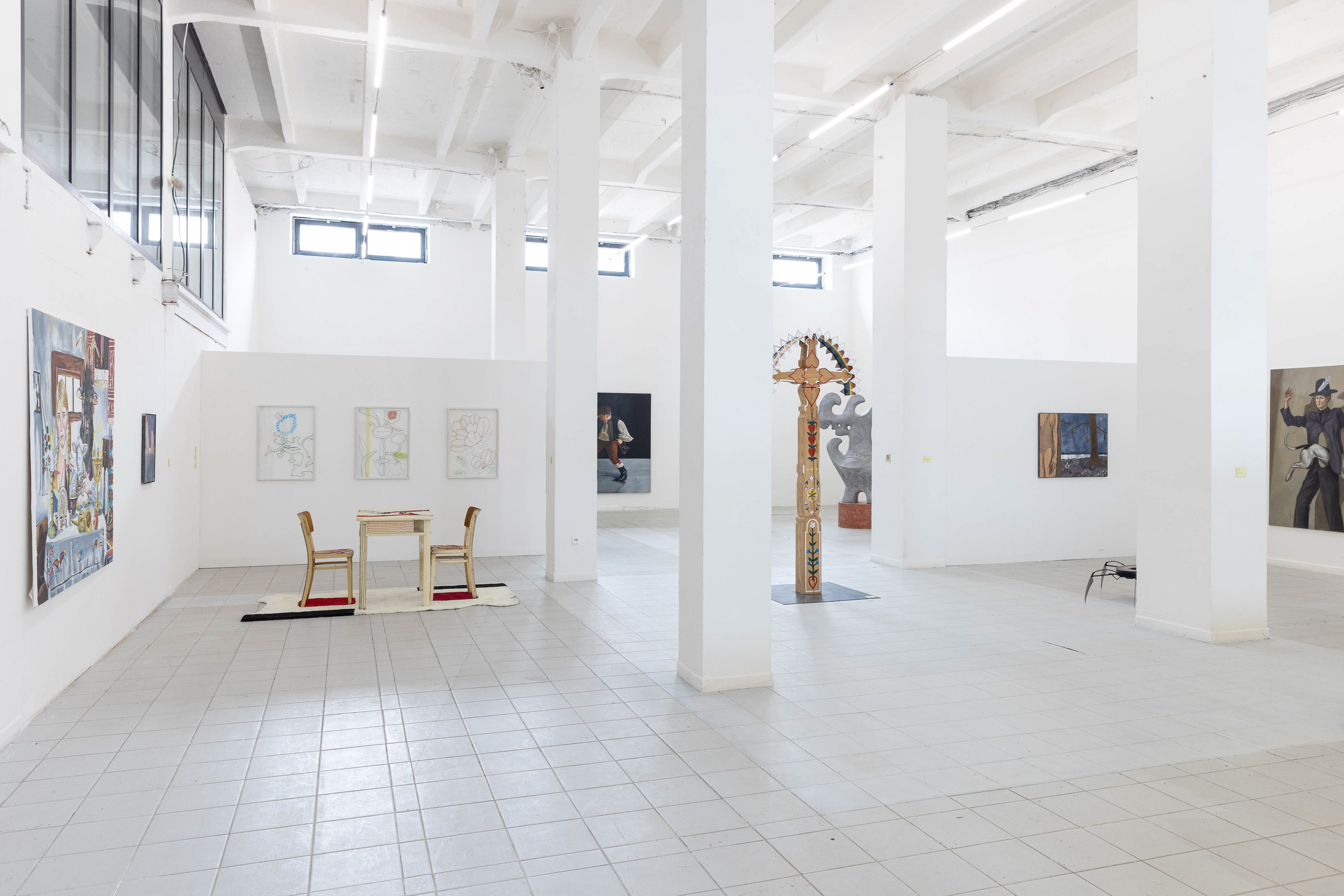
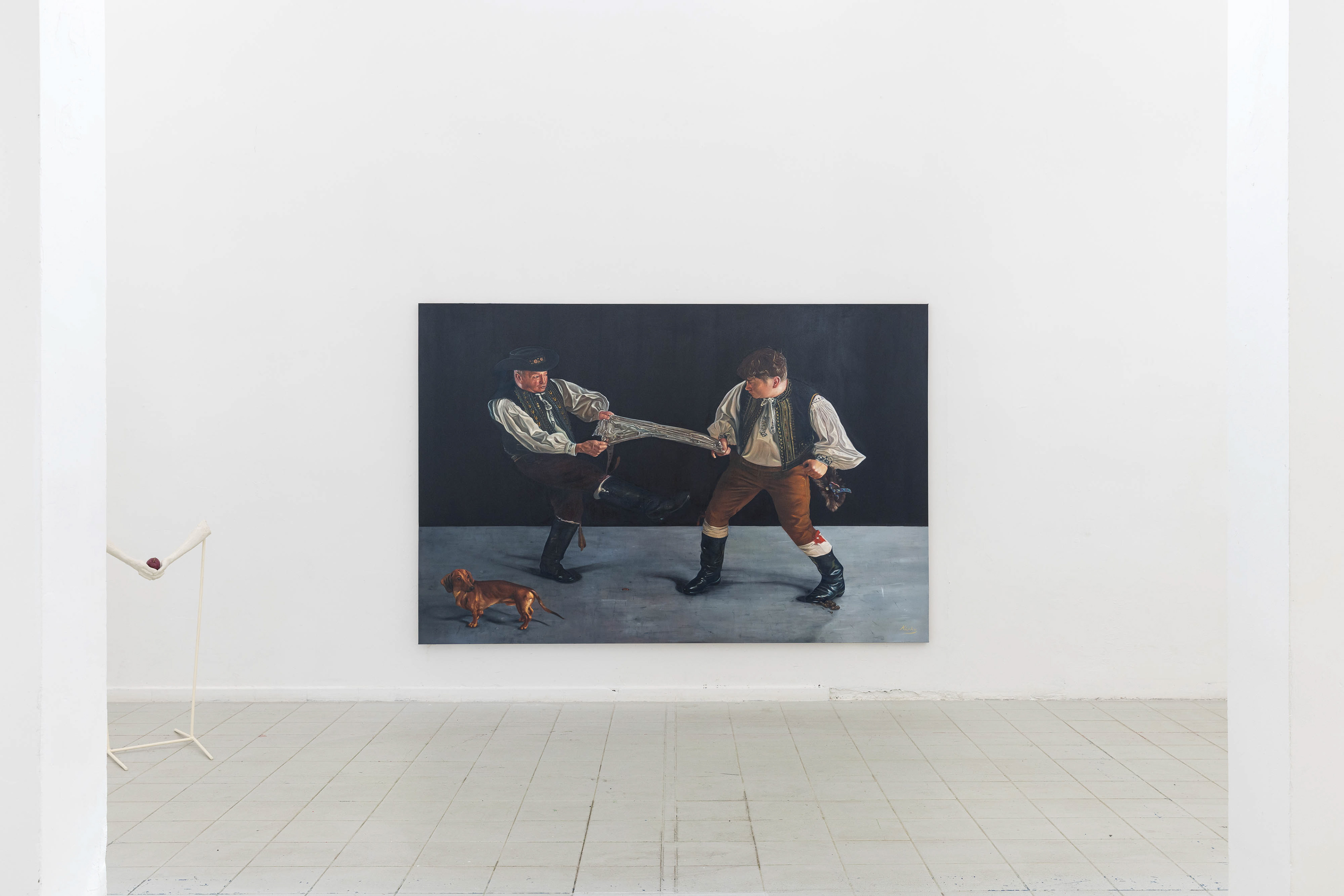
Filip Kůrka
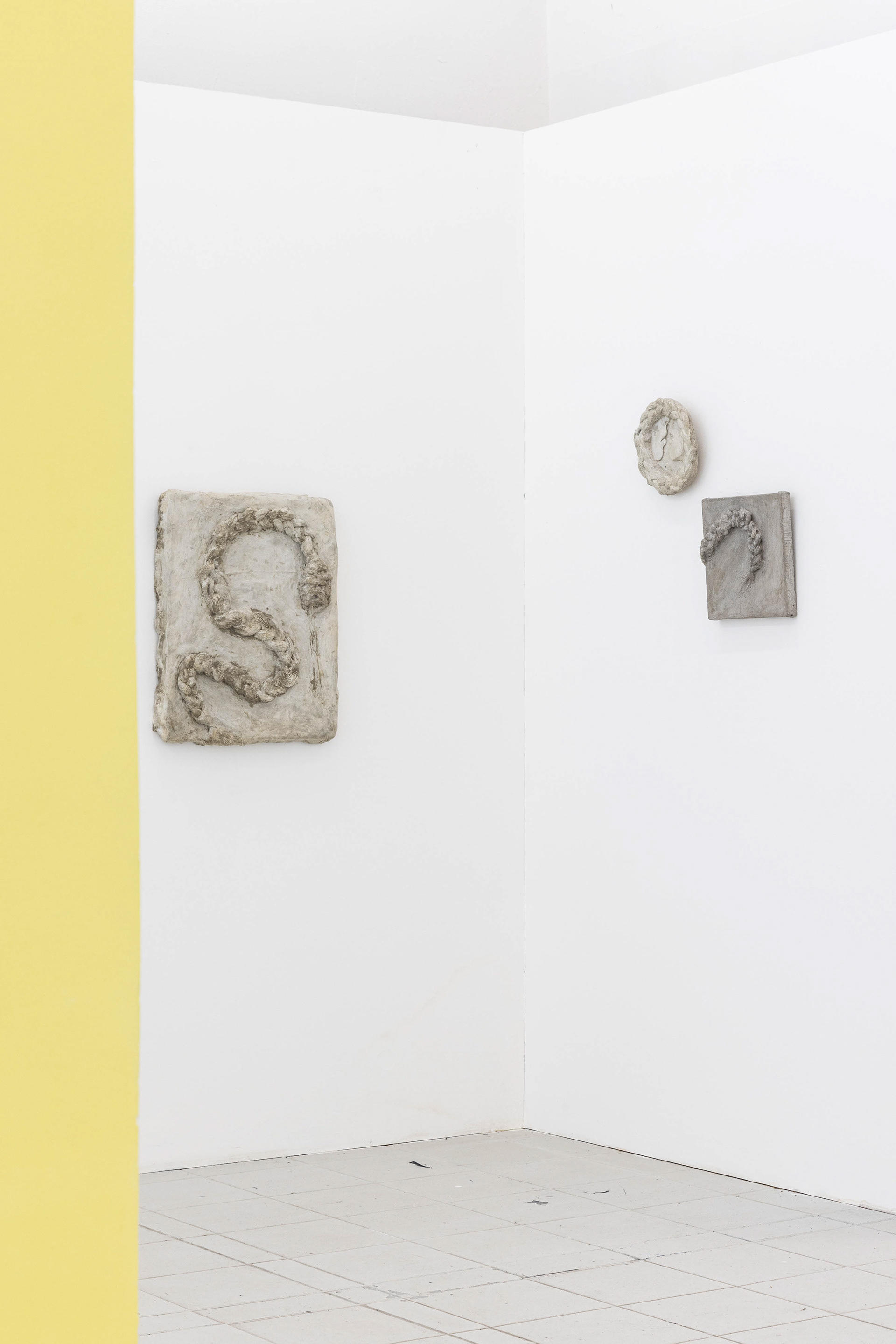
Nikola Emma Ryšavá

Markéta Špundová & Viktorie Macánová
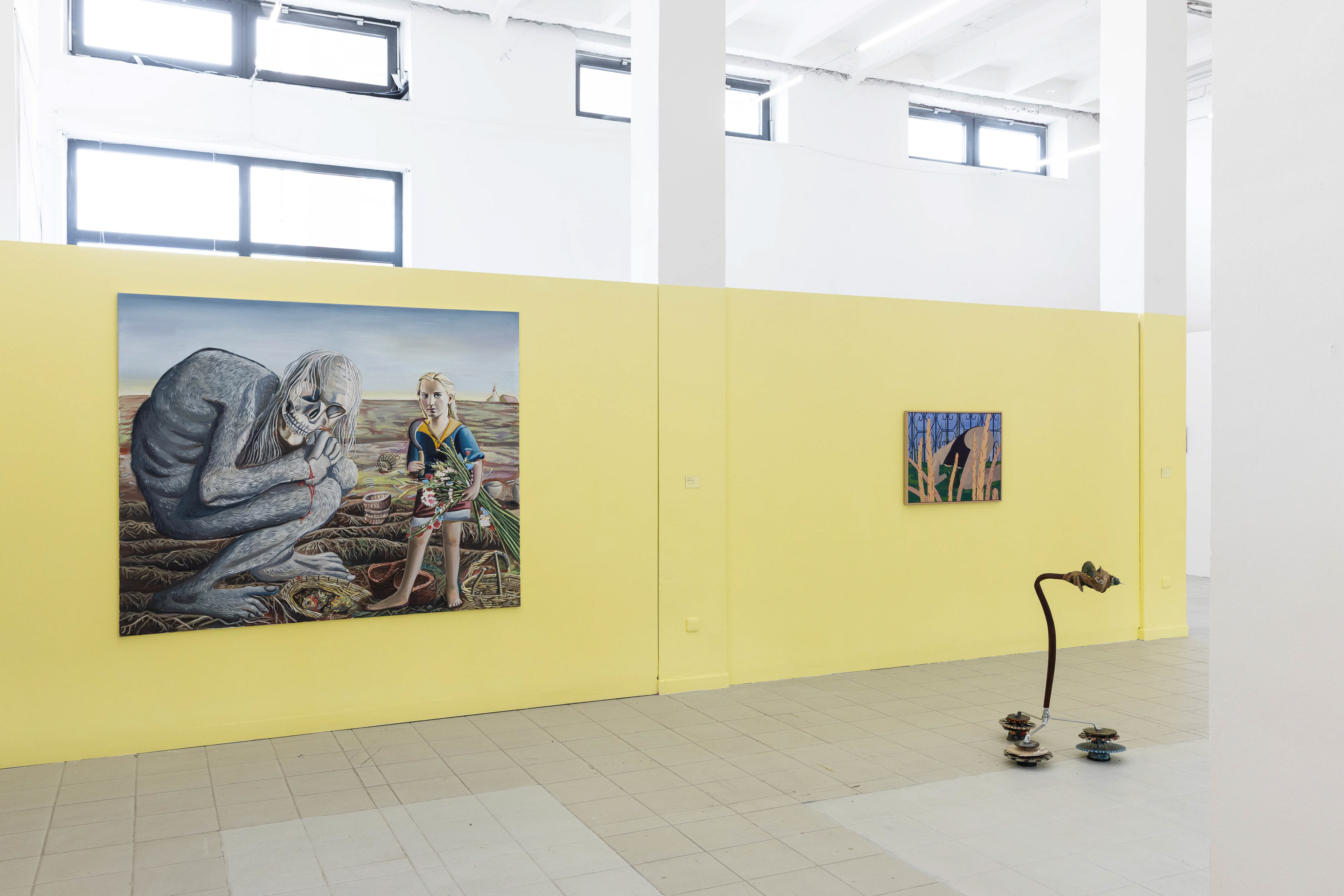
Jan Vytiska, Eva Yurková, Adam Žufníček
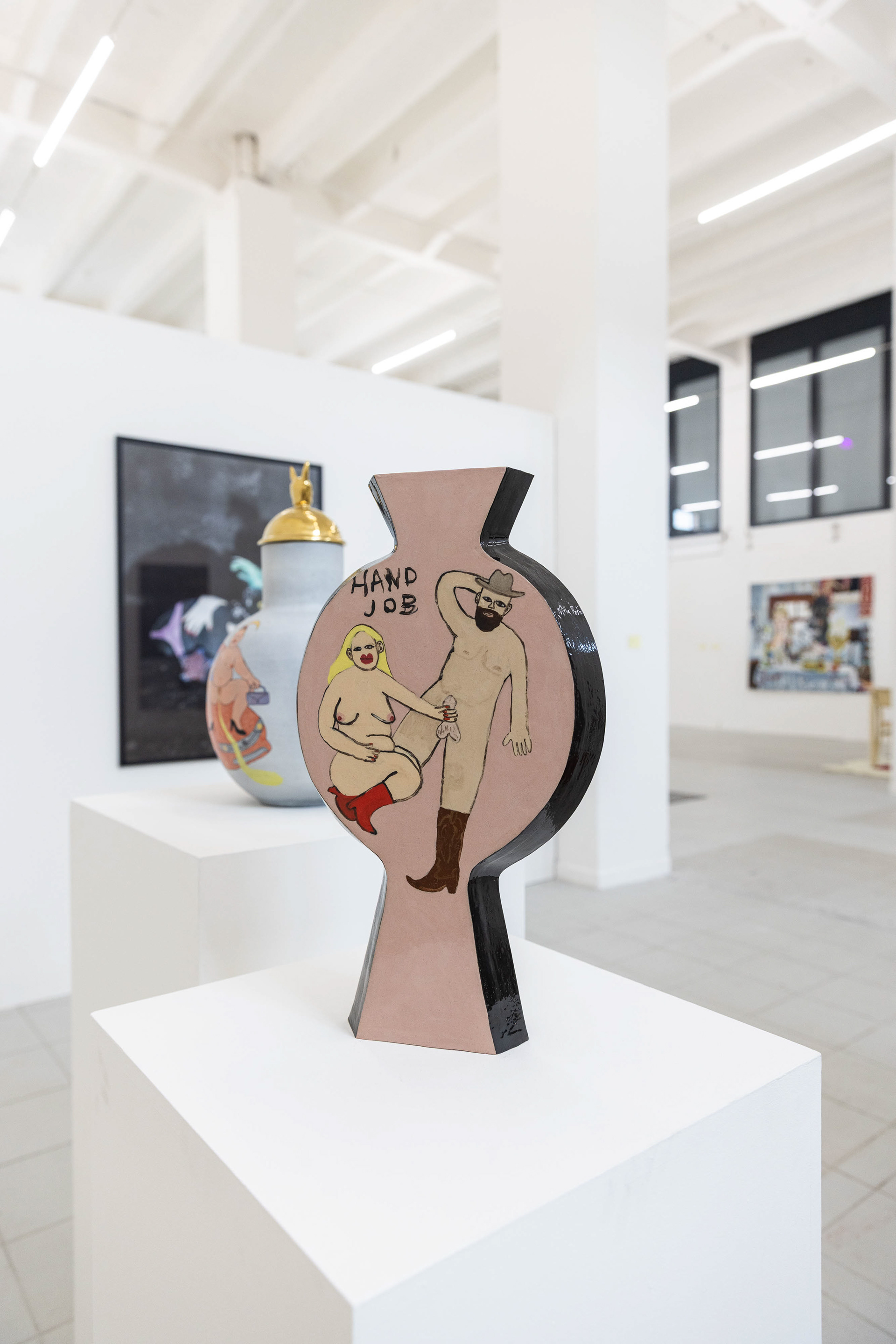
Zuzana Svatik
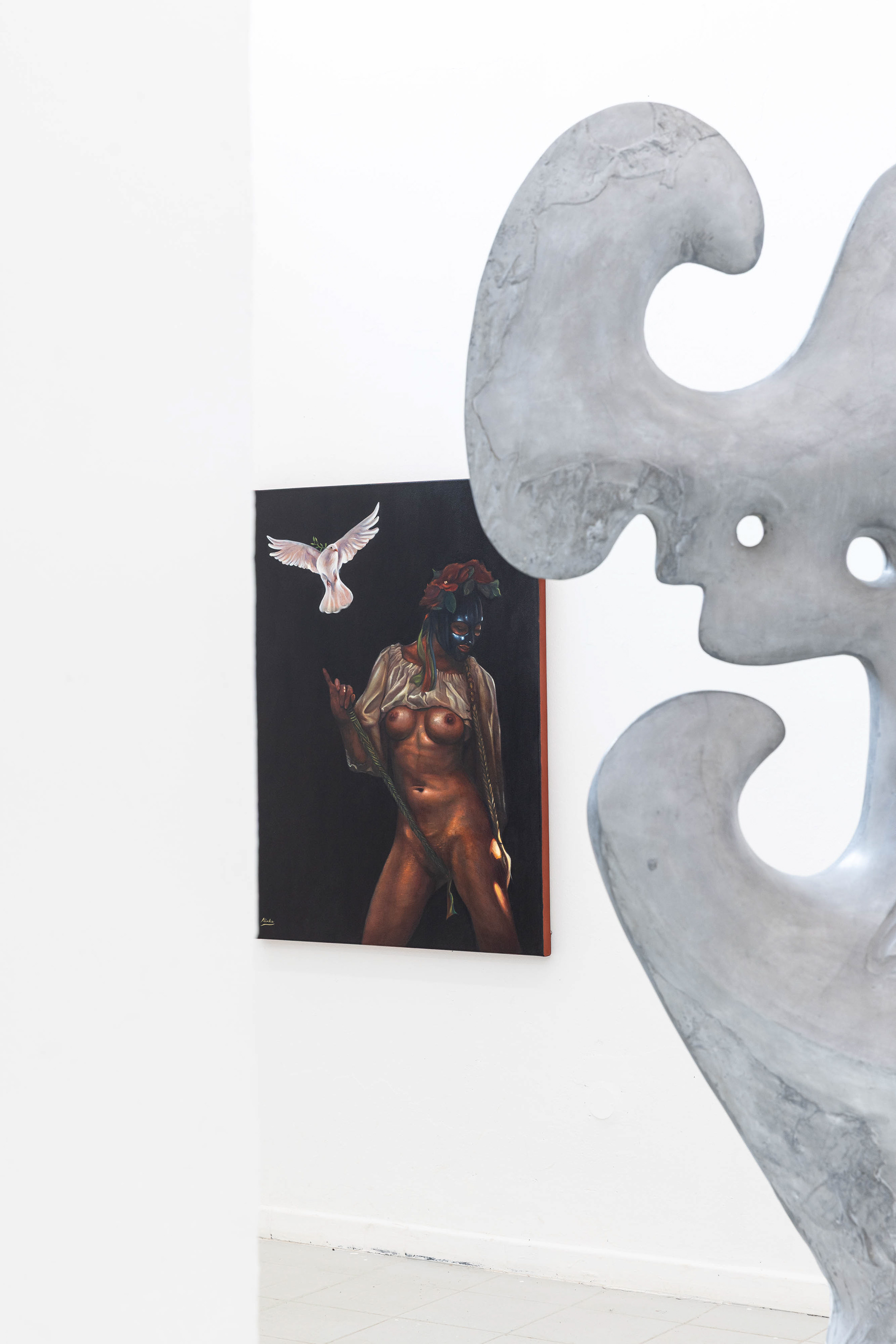
Filip Kůrka

Nikola Emma Ryšavá
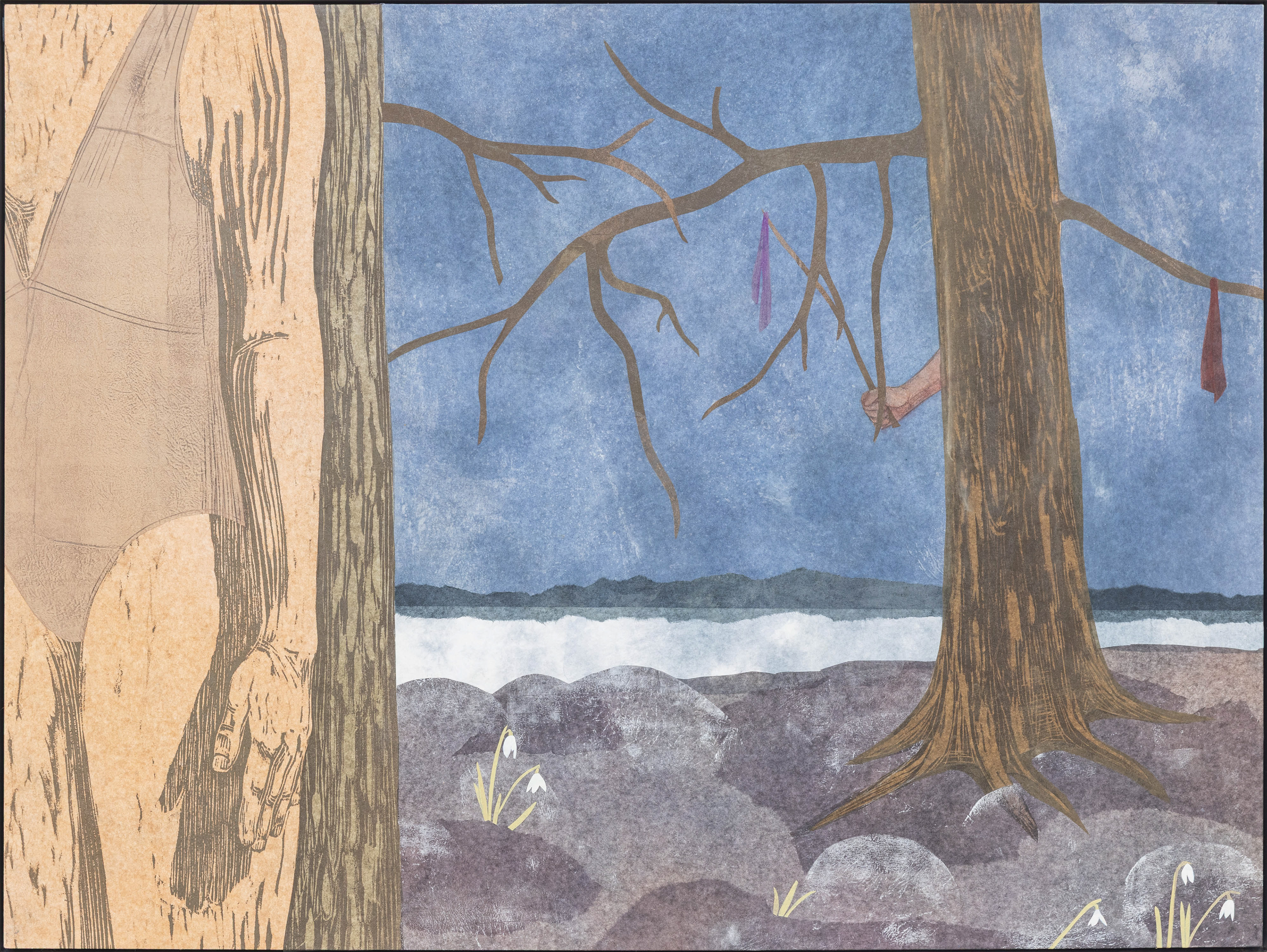
Eva Yurková

Jan Uldrych
Lidové tradice zaryly své drápy hluboko pod kůži kulturní krajiny i nás samotných. Přežívají ve vzorcích chování, v gestech, rituálech, strukturách moci i pohádkových narativech, které si předáváme z generace na generaci. Výstava Svěcení jara obrací pozornost k folkloru jako souboru archetypálních forem, zvyků a obrazů, jež historicky utvářely kolektivní identitu společnosti. V dílech vystavujících umělců a umělkyň není tradice předmětem obdivu, romantické nostalgie či estetického vytěžování, ale prostorem napětí, v němž se paměť mísí s přetvářkou, poezie s úzkostí a ochrana s násilím. Za posvátným řádem se zjevuje tlak norem i skrytá traumata, která jsme si zvykli přehlížet, protože „tak se to přece dělalo vždycky“. Název výstavy, odkazující ke slavné skladbě Igora Stravinského, však akcentuje motiv přerodu. Podobně jako se pohanský rituál oslavující znovuzrození přírody stal v pojetí skladatele impulsem k narušení starých hudebních struktur, i výstava Svěcení jara otevírá prostor pro imaginaci, v němž lze tradici kriticky přehodnocovat a aktualizovat – ať již pomocí subverzivního gesta, empatie, nebo jemného humoru.
V našem kulturním prostředí je folklor inherentně provázán s křesťanskou tradicí, která ve svých počátcích strategicky absorbovala pradávné pohanské svátky a rituály, spjaté s přírodními cykly a mytologickým vnímáním světa. Přirozená lidská potřeba řádu, stability a vztahu k transcendentnu byla nově ukotvena v narativu Kristova života a v hodnotovém rámci, jenž zásadně formoval podobu evropské společnosti. Spolu s tím se ustavila i struktura binarit, které svět organizují do protikladů dobra a zla, ducha a těla, přírody a kultury, muže a ženy, čistoty a hříchu. V těchto dichotomiích je i ženská identita redukována na dva krajní obrazy – idealizovanou figuru pečující Matky Boží a stigmatizovanou hříšnici Máří Magdalénu. Jako by nic mezi nimi neexistovalo. Rezidua křesťanské morálky i dnes prostupují naší každodenností, aniž bychom si toho mnohdy byli vědomi. S o to větší intenzitou se však aktivují ve sdílených rituálech, kdy se kolektivní paměť znovu uvádí do pohybu.
Tyto latentní struktury se obzvlášť zřetelně vyjevují v jarních rituálech, spjatých s tradicí velikonoční pomlázky. Zdánlivě nevinný zvyk, symbol životodárné obnovy, v sobě nese jasné stopy mocenské asymetrie. Tělo ženy se stává objektem rituálu, který je prezentován jako nutná podmínka „oživení“, zatímco násilný aspekt aktu je zakryt tradicí a kolektivním souhlasem. Šlehání pomlázkou tak odhaluje hluboce zakořeněné mechanismy, v nichž se násilí skrývá za rituál a dominance se stává kulturně akceptovanou normou.
Tradici však nemusíme chápat jako uzavřený model, který jsme povinni následovat, ale sami se můžeme rozhodnout, jaké hodnoty chceme vyznávat a sdílet. Tuto možnost citlivě artikuluje Eva Yurková, která ve svých reliéfech a kolážích naznačuje alternativní podoby jarních zvyků. Návrat k přírodě jako prvotnímu zdroji rituálu umožňuje promyslet jeho nové podoby. Namísto samotného aktu šlehání autorka obrací pozornost ke sbírání vrbových proutků nebo k očistnému mytí v potoce. Její snové, poetické výjevy připomínají letmé vzpomínky, v nichž se fragmenty ženských těl noří do organických arabesek rostlin.
Vůči rigidní podobě velikonočních svátků se vymezuje také autorská dvojice Markéta Špundová a Viktorie Macánová, která s nebývalou lehkostí a humorem rozvíjí rituál pečení beránků. Autorky s tradicí pracují jako s živým organismem, který se může přirozeně vyvíjet a odrážet aktuální společenské hodnoty, včetně otázek genderu. Namísto potupy, trapnosti a bolesti zde do popředí vystupuje radost, něžnost a sdílený prožitek. Svátek je pro ně především prostorem společného setkávání, hravosti a obnovy energie.
Motiv vzájemného sdílení a komunikace rozvíjí rovněž instalace Karímy al-Mukhtarové. Silueta spojených rukou, provedená v náročné technice výšivky v desce dřevěného stolu, vypovídá o křehkosti mezilidských vztahů i o hledání vlastní identity v těsném sepětí s přírodou.
Bystrík Klčo smiřuje tradiční formu křesťanského kříže s problematikou identity, genderu a LGBTQ+ komunity. Podoba díla, které vzniklo jako připomínka genderově motivovaného teroristického útoku v podniku Tepláreň v Bratislavě, vychází z lidových křížů, typických pro slovenské prostředí. Kříž jako symbol smrti, oběti a spásy je opatřen stříškou v barvách duhy. Odkaz k LGBTQ+ komunitě tak splývá s biblickým motivem duhy, kterou Bůh seslal lidem po potopě světa jako příslib naděje, že se devastující hrozby již nebudou opakovat.
Socha Pavlíny Kvity se k tématu tradice a folkloru vztahuje spíše nepřímo, skrze hlubší významové vrstvy. Archetyp nádoby jako schránky určené k uchovávání, a tím i symbol kontinuity, autorka proměňuje do uzavřeného tvaru biomorfní plastiky. Vzniká tak jakýsi hieratický monument na pomezí nádoby a těla, jehož lidový ornament je místy nenápadně narušován stopami eroze.
Oproti tomu Zuzana Svatik pracuje s motivem vázy jako symbolem domova, spjatým s vnímáním ženy jako hospodyňky, pečovatelky a marnivé dekoratérky. Tradiční tvar užité nádoby se pro ni stává prostředkem razantního zpochybňování sociálních a genderových konstruktů, které autorka spojuje s kritikou nukleární rodiny a přetrvávajících patriarchálních struktur ve společnosti.
Také Nikola Emma Ryšavá se ve své tvorbě dlouhodobě zabývá genderovými stereotypy, předávanými mimo jiné prostřednictvím tradičních pohádek. Síla a moudrost ženských postav, které se dokážou vzepřít zavedeným vzorcům, je v nich často připisována pouze čarodějnicím, jež v těchto narativech ztělesňující princip zla. Sochařka se proto ve svých posledních dílech obrací k pohanskému náboženství Wicca, moderní verzi čarodějnictví, které je založené na rovnováze a vzájemném propojení protikladů.
Pro Jana Vytisku je folklor základním rámcem pro zpřítomňování neuchopitelného zla a patologických jevů společnosti, jimiž jsou prosyceny interiéry jeho valašských dřevěnic i dramatické krajiny. V upřených pohledech dívek, kozlů i kostlivců, kteří obývají autorovy fikční malířské světy, tušíme tíhu děsivého tajemství a nevyhnutelného osudu.
K hranicím viditelného a neviditelného se obrací také Jan Uldrych, jehož malba osciluje mezi realistickým zobrazením a abstraktní, symbolickou vizualitou. Fragmenty reality se v jeho obrazech rozpouštějí v imaginativních krajinách prostoupených archetypálními motivy a formami, které odkazují k mytickým a rituálním vrstvám lidské zkušenosti. Malba se pro něj stává prostředkem introspekce, skrze niž se fyzická skutečnost prolíná s transcendentní zkušeností.
Ambivalentní napětí, tentokrát však obrácené k vnitřní zkušenosti jedince, prostupuje i díly Tomáše Kurečky. Motiv masopustního převlékání překračuje rovinu lidového rituálu a stává se metaforou proměnlivosti identity a rolí, jež přijímáme v každodenním životě. Maska zde není jen prostředkem symbolické hry, ale i nástrojem skrývání a odhalování, v němž se zároveň rodí zkušenost odcizení.
Motiv masky se objevuje také v malbách Filipa Kůrky, ovšem v podobě latexových masek odkazujících k BDSM praktikám. Kontrast mezi vizuálním jazykem současné subkultury a staromistrovskou malířskou technikou vytváří napětí mezi tradicí a současností, mezi disciplinovaným obrazem a potlačovanou tělesností. Podobně i autorova malířská interpretace vtipu o lakomých Hanácích v monumentálním měřítku evokuje žánrovou holandskou malbu s mravoučným poselstvím.
K hanáckému prostředí se obrací také Žil Julie Vostalová. Tradiční prvky lidového kroje transformuje do podoby 3D animace, v níž zkoumá, zda může digitální reprezentace nabídnout prostor pro aktualizaci tradičních řemesel i kritickou reflexi materiální nadprodukce a odpadu.
K reliktům zašlé minulosti odkazuje i Adam Žufníček, jehož objekty připomínají podivné mechanismy na pomezí technického, organického a magického. V jejich hybridní povaze se vynořují archaické způsoby myšlení, v nichž se každodennost přirozeně prolíná s mýtem a rituálem.
Výstava Svěcení jara nahlíží folklor a tradice jako dynamický proces neustálého předávání, selekce a reinterpretace. V napětí mezi kontinuitou a proměnou se ukazuje, že to, co považujeme za „dané“, je vždy také výsledkem našeho rozhodnutí – a tedy i odpovědnosti za to, co bude nadále přetrvávat.
Martina Mrázová
Folk traditions have sunk their claws deep beneath the skin of the cultural landscape and into our very selves. They survive in patterns of behaviour, gestures, rituals, structures of power, and fairy-tale narratives passed down from generation to generation. The Rite of Spring turns its attention to folklore as a constellation of archetypal forms, customs, and images that have historically shaped society's collective identity. In the works of the participating artists, tradition is not treated as an object of admiration, romantic nostalgia, or aesthetic appropriation, but as a site of tension where memory mingles with pretence, poetry with anxiety, and protection with violence. Behind the sacred order emerge the pressures of social norms and hidden traumas we have grown accustomed to overlooking because “that's how it's always been done.” Yet the exhibition's title, referring to Igor Stravinsky's celebrated composition, foregrounds the possibility of transformation. Just as a pagan ritual celebrating nature's rebirth became, in the composer's hands, an impetus for disrupting established musical structures, The Rite of Spring opens up a space for imagination in which tradition can be critically reconsidered and reimagined through subversive gestures, empathy, or gentle humour.
In our cultural context, folklore is inherently intertwined with Christianity, which, in its early development, strategically absorbed ancient pagan festivals and rituals associated with natural cycles and mythological understandings of the world. The fundamental human need for order, stability, and a relationship with the transcendent was subsequently anchored in the narrative of Christ's life and in a system of values that profoundly shaped European society. With this came a structure of binaries organising the world into oppositions: good and evil, spirit and body, nature and culture, man and woman, purity and sin. Within these dichotomies, female identity is likewise reduced to two opposing archetypes: the idealised nurturing Virgin Mary and the stigmatised sinner Mary Magdalene. As though nothing existed between them. Vestiges of Christian morality continue to permeate everyday life, often without our awareness. They become especially pronounced in shared rituals, when collective memory is once again set in motion.
These latent structures become particularly visible in spring rituals associated with the Easter tradition of pomlázka, in which women are symbolically whipped with braided willow switches. This seemingly innocent custom, understood as a symbol of life-giving renewal, bears unmistakable traces of unequal power relations. The female body becomes the object of a ritual presented as a necessary condition of “revitalisation”, while the violence inherent in the act is obscured by tradition and collective consent. The practice thus exposes deeply rooted mechanisms through which violence is concealed beneath ritual and domination becomes a culturally accepted norm.
Tradition, however, need not be understood as a fixed model we are obliged to follow. We can choose for ourselves which values we wish to uphold and share. This possibility is sensitively articulated by Eva Yurková, whose reliefs and collages suggest alternative forms of spring customs. Returning to nature as the original source of ritual makes it possible to imagine new ways of practising it. Rather than focusing on the act of whipping itself, the artist turns her attention to gathering willow branches or ritual cleansing in a stream. Her dreamlike, poetic scenes resemble fleeting memories in which fragments of female bodies emerge among organic arabesques of vegetation.
The artistic duo Markéta Špundová and Viktorie Macánová also challenge the rigid conventions of Easter celebrations, developing the ritual of baking Easter lamb cakes with remarkable lightness and humour. They approach tradition as a living organism capable of evolving naturally and reflecting contemporary social values, including questions of gender. Humiliation, embarrassment, and pain give way to joy, tenderness, and shared experience. For them, the festival is above all a space for coming together, playfulness, and renewed energy.
The theme of sharing and communication also informs an installation by Karíma al-Mukhtarová. The silhouette of joined hands, intricately embroidered into the surface of a wooden table, speaks of the fragility of human relationships and the search for personal identity in close connection with nature.
Bystrík Klčo brings the traditional form of the Christian cross into dialogue with questions of identity, gender, and LGBTQ+ experience. Created in remembrance of the terrorist attack motivated by anti-LGBTQ+ hatred at the Tepláreň bar in Bratislava, the work draws on the forms of traditional crosses characteristic of the Slovak landscape. The cross, a symbol of death, sacrifice, and salvation, is crowned with a small roof in rainbow colours. The reference to the LGBTQ+ community thus merges with the biblical image of the rainbow, which God placed in the sky after the Flood as a promise that such devastation would not recur.
Pavlína Kvita approaches tradition and folklore more indirectly through her sculpture, exploring deeper layers of meaning. The artist transforms the archetype of the vessel—an enclosure intended for preservation and therefore a symbol of continuity—into the closed form of a biomorphic sculpture. The result is a hieratic monument somewhere between vessel and body, its folk ornament subtly disrupted in places by traces of erosion.
By contrast, Zuzana Svatik works with the motif of the vase as a symbol of domesticity, linked to the perception of women as housewives, caregivers, and vain decorators. For her, the traditional form of a functional vessel becomes a means of radically questioning social and gender constructs, which she connects to a critique of the nuclear family and enduring patriarchal structures.
Nikola Emma Ryšavá has likewise long explored gender stereotypes transmitted, among other means, through traditional fairy tales. In these narratives, the strength and wisdom of female characters who defy established patterns are often attributed only to witches, figures cast as embodiments of evil. In her recent work, the sculptor therefore turns to Wicca, a modern pagan religion associated with witchcraft and based on the balance and interconnectedness of opposites.
For Jan Vytiska, folklore provides a fundamental framework for making intangible evil and pathological aspects of society palpable. These forces permeate the interiors of his Wallachian wooden cottages and his dramatic landscapes. In the unwavering gazes of girls, goats, and skeletons inhabiting his fictional painted worlds, we sense the weight of a terrifying secret and an inescapable fate.
Jan Uldrych also explores the boundaries between the visible and invisible. His painting oscillates between realist representation and abstract, symbolic imagery. Fragments of reality dissolve into imaginary landscapes permeated by archetypal motifs and forms that evoke the mythical and ritual dimensions of human experience. Painting becomes a means of introspection through which physical reality intertwines with transcendent experience.
Ambivalent tensions, this time directed towards the individual's inner experience, also permeate the works of Tomáš Kurečka. The motif of carnival disguise moves beyond the realm of folk ritual to become a metaphor for the fluidity of identity and the roles we assume in everyday life. The mask is not merely an instrument of symbolic play but also a means of concealment and revelation, in which a sense of alienation also emerges.
The motif of the mask also appears in paintings by Filip Kůrka, here in the form of latex masks associated with BDSM practices. The contrast between the visual language of contemporary subculture and traditional Old Master painting techniques creates tension between tradition and the present, between the disciplined image and repressed corporeality. Similarly, the artist's monumental painted interpretation of a joke about the proverbial stinginess of the people of Haná evokes Dutch genre painting with its moralising undertones.
The Haná region also provides a point of departure for Žil Julie Vostalová. The artist transforms traditional elements of regional folk costume into 3D animation, exploring whether digital representation can offer a means of reinterpreting traditional crafts while critically reflecting on material overproduction and waste.
Adam Žufníček likewise draws on remnants of a bygone past. His objects resemble strange mechanisms somewhere between the technical, the organic, and the magical. Their hybrid character evokes archaic modes of thought in which everyday life naturally intertwines with myth and ritual.
The Rite of Spring approaches folklore and tradition as dynamic processes of continual transmission, selection, and reinterpretation. Within the tension between continuity and change, it becomes clear that what we regard as “given” is always also the result of our choices—and therefore of our responsibility for what we allow to endure.
Martina Mrázová